What is tracker-lib, exactly?
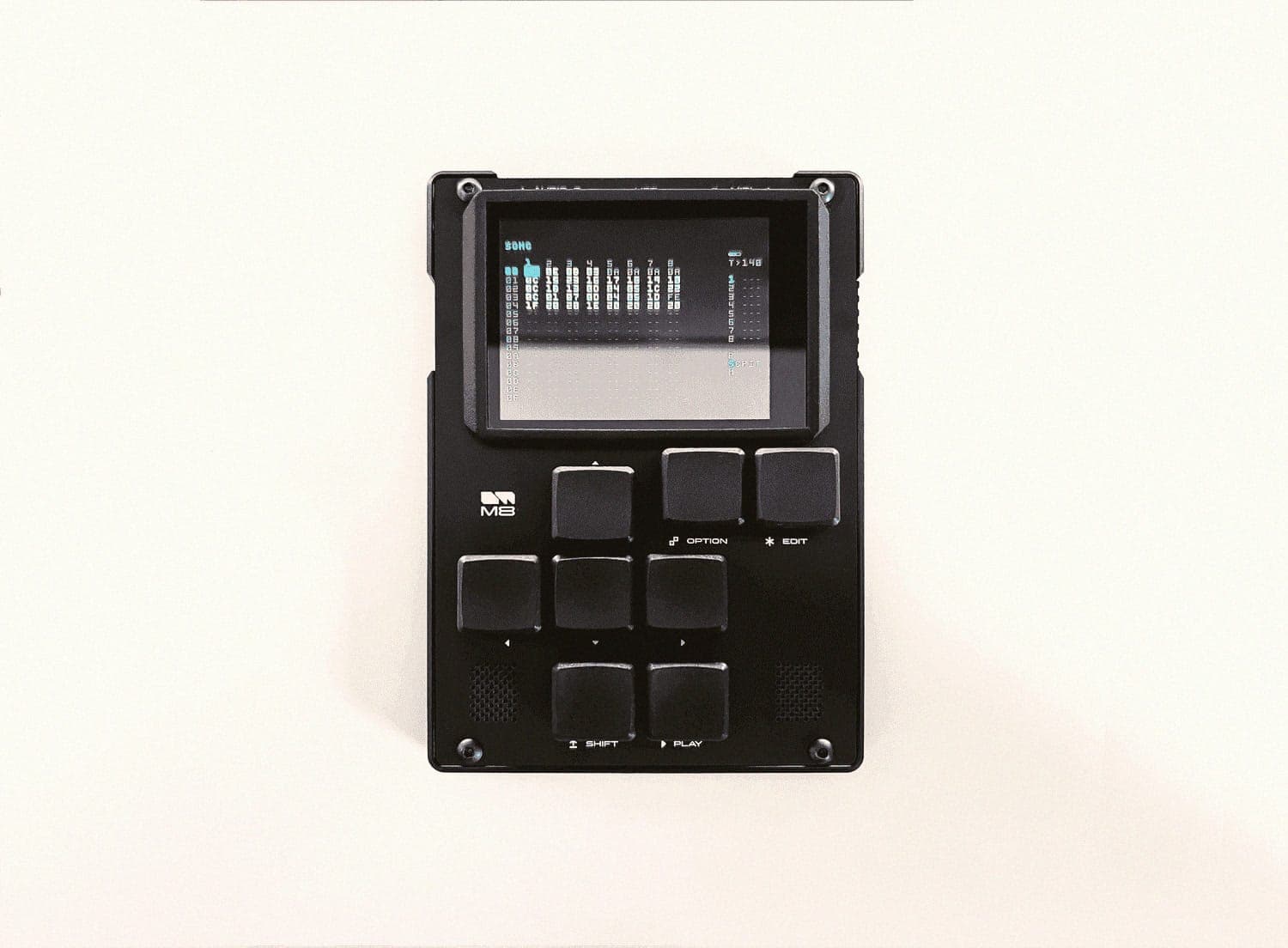
tracker-lib is a free Polyend code library, written in TypeScript, that knows how to read, write and create the project and instrument files used by the Tracker, Tracker Mini and Tracker+. In plain terms, it is an official, documented key to a file format that until now lived locked inside the hardware. And it reaches deep: it exposes instrument files, slice markers, playback modes, filters, LFOs, envelopes and wavetable or granular configurations, plus the patterns and projects themselves. It runs both on Node.js and straight in the browser through the File and Blob APIs, and ships with full TypeScript typing, autocomplete and auto-generated type definitions, so building on it is not a guessing game.
Why does a file library matter for a groovebox?
Because a closed format is a ceiling. Once the format is open and typed, anyone can build the things Polyend never shipped: web editors, batch tools, converters, generative pattern makers, backup utilities. The proof came fast. Within days of the release, producer Sandroid had already put up two browser-based tools built on the library, a Web Instrument Editor and a Web Pattern Editor, with nothing to install. That is the whole point of opening a format: the community fills the gaps quicker than any single company can.
Polyend calls it the first step toward making the Tracker ecosystem open-source.
Is Polyend really going open-source?
Partly, and it says so plainly. tracker-lib is the file layer, not the firmware, so this is not the whole instrument going open in one move. But it is a real, GitHub-hosted, documented release that the company frames as a first step rather than a marketing flourish. For a hardware maker to publish a typed library for its own format, with working examples, is a genuine signal: it invites the modders, scripters and tinkerers in instead of treating them as a threat.