What is actually happening to underground clubs in 2026?
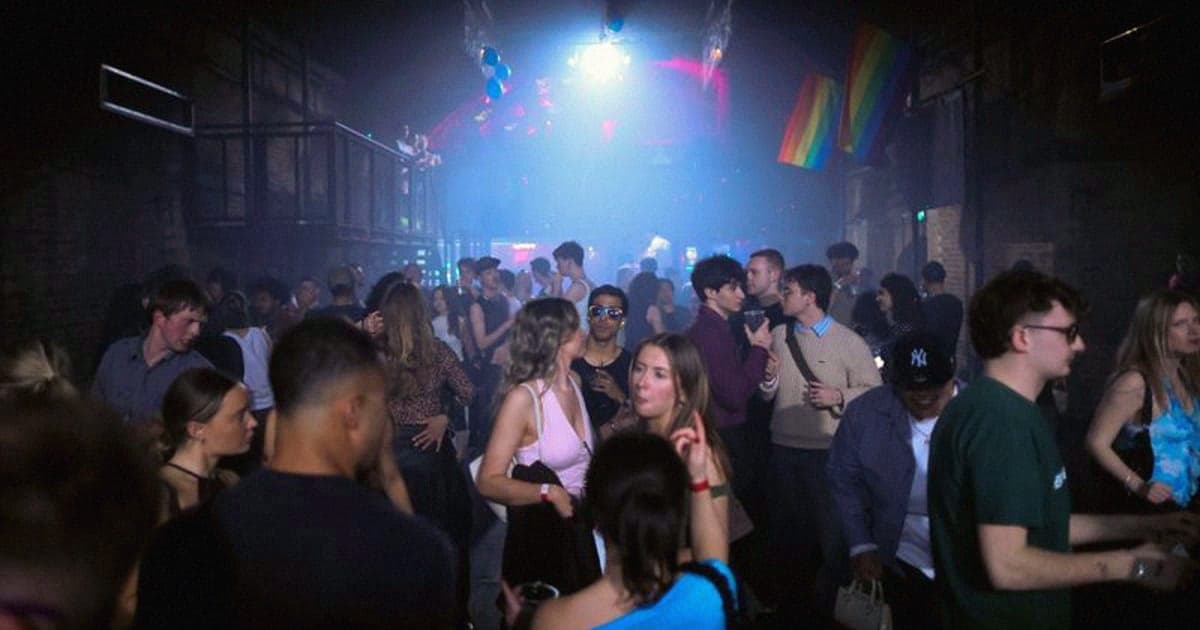
The pattern is no longer anecdotal. In April 2026 Ankali, one of Prague's most respected underground rooms, told its followers on Instagram that it was 'on the edge of closing down.' The cause it named was not a scandal or a noise complaint or a lost lease. It was the arithmetic: 'significantly lower income, caused by declining and irregular turnout, combined with ever-rising costs.' The club owes several months of rent, plus money to local suppliers and to friends who kept it afloat.
Ankali matters here precisely because it did everything right. It opened in 2017 inside a former soap factory in the Vrsovice district of east Prague, built a serious reputation, and held its ticket prices at around 12 pounds since 2018, a deliberate choice to stay affordable while the rest of nightlife priced upward. Affordability was the principle. In 2026 it became the exposure.
How big is the structural squeeze?
The UK numbers turn one club's distress into a sector-wide story. Per NTIA / UK night-time economy reporting in 2026, Britain has lost roughly 37% of its nightclubs in about four years, falling from around 1,700 active clubs in 2013 to fewer than 787 by 2024. Over the last year alone there was a 4.1% net decline in venues open late at night, leaving the late-night sector about 28.2% smaller than it was in March 2020.
This is not a fringe economy collapsing quietly. Per the same NTIA reporting, the night-time cultural economy generated about 43 billion pounds in spending and employed more than 2 million people, yet it shed an estimated 74,000 jobs between the start of 2024 and autumn 2025. Berlin, the city the whole scene treats as a fortress, is not exempt: per industry surveys, nearly half of its clubs have considered closing, squeezed by rising costs, inflation, changing habits, and the steady pressure of redevelopment and gentrification.
Affordability was Ankali's principle. In 2026 it became its exposure.
Why are people going out differently?
The drivers stack on top of each other. There is the long tail of COVID disruption, the habits and balance sheets it broke that never fully reset. There is sustained cost inflation hitting rent, energy, security and artist fees at once. There is the cost-of-living squeeze on the people who used to fill a Friday. And there is a real shift in how people go out: fewer regular weekly club nights, more money held back and spent on bigger, rarer occasions. A model built on dependable mid-week and weekend turnout breaks when turnout becomes a sometimes-thing.
Then there is the land. Clubs sit on real estate that developers want, and gentrification turns a warehouse district into flats that complain about the bass. Redevelopment pressure is the quiet killer behind a lot of these closures, the one that no pop-up shop can outrun.
Is this only a UK and Berlin problem?
No, and that is the point. The same month Ankali raised the alarm, One O One in Clermont-Ferrand, France closed after 15 years. Weeks later, Headquarters in Singapore shut after a decade, marking the end with a final 10-hour rave on 30 May 2026. Different cities, different scenes, the same arithmetic. When a club in Prague, a club in central France and a club in Singapore all run out of road inside one season, the cause is structural, not local.