What did the study actually track?
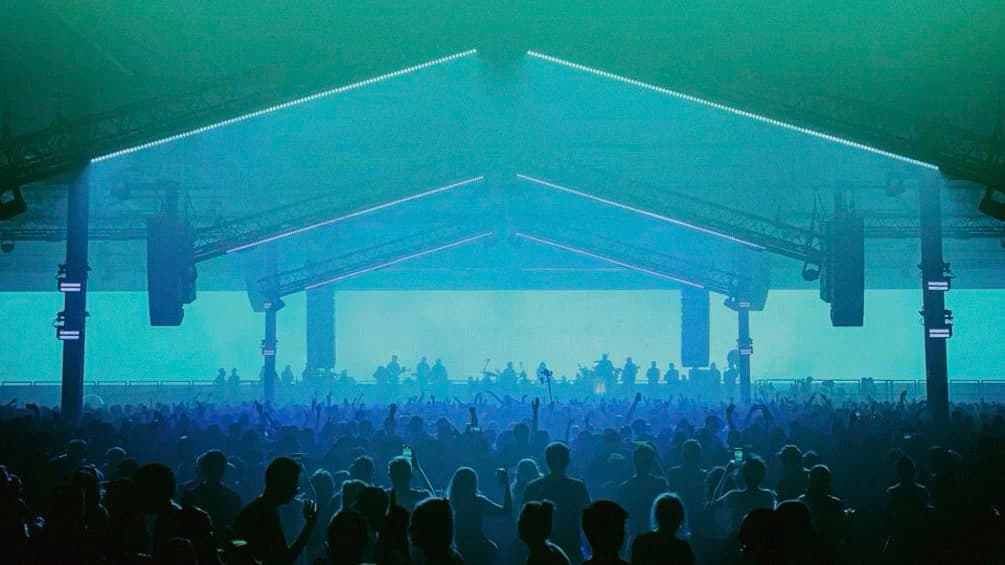
A team led by C.J. Healy, with Johns Hopkins psychedelic researcher Albert Garcia-Romeu among the co-authors, followed 85 adults who all carried histories of childhood maltreatment. Each one filled out questionnaires in the month before a planned psychedelic experience, within two days after it, and again about two months later. These were not lab sessions. Sixty-four percent took place at a rave or dance-music festival, the rest at an organized ceremony, and the drugs people reported were psilocybin mushrooms, ayahuasca, MDMA and LSD, all taken with therapeutic intent rather than to party blindly. Published in 2025 in the journal Progress in Neuro-Psychopharmacology and Biological Psychiatry, it is one of the first attempts to measure what actually happens to trauma when people dose in the wild instead of a clinic.
Did the rave really work as well as the ceremony?
That is the finding that stops you. Two months on, participants reported reductions in PTSD, complex-PTSD and the deep internalized shame that childhood trauma leaves behind, all in the statistically large range, plus a marked rise in feeling connected to themselves, to other people and to the world. And the gains were about the same whether someone had danced all night under a sound system or sat through a guided ceremony. The dancefloor, long written off as the unserious option, held its own against the setting everyone treats as therapeutic.
What healed was not the dose. It was the depth of the experience.
The researchers were careful about why. The size of the drug dose predicted how intense the trip felt, but it did not directly predict who got better. What predicted lasting change was the texture of the experience itself: ego dissolution, an emotional breakthrough, a sense of boundlessness, and communitas, that old word for the dissolving of the line between you and the crowd. On a good dancefloor, that last one is not a side effect. It is the whole point.
What does this mean for the dancefloor?
It comes with real caveats, and they matter. There was no control group, so we cannot rule out that part of the lift came from the trip, the community or simply expecting to feel better. The doses were unverified and the follow-up was short. Nobody should read this as a green light to self-medicate trauma at the next warehouse party. But the signal is hard to ignore: the communal, sweaty, all-night intensity that clubland has always known to be more than hedonism is starting to show up in the data as something closer to medicine.