What actually happened on Jalan Sultan Ismail?
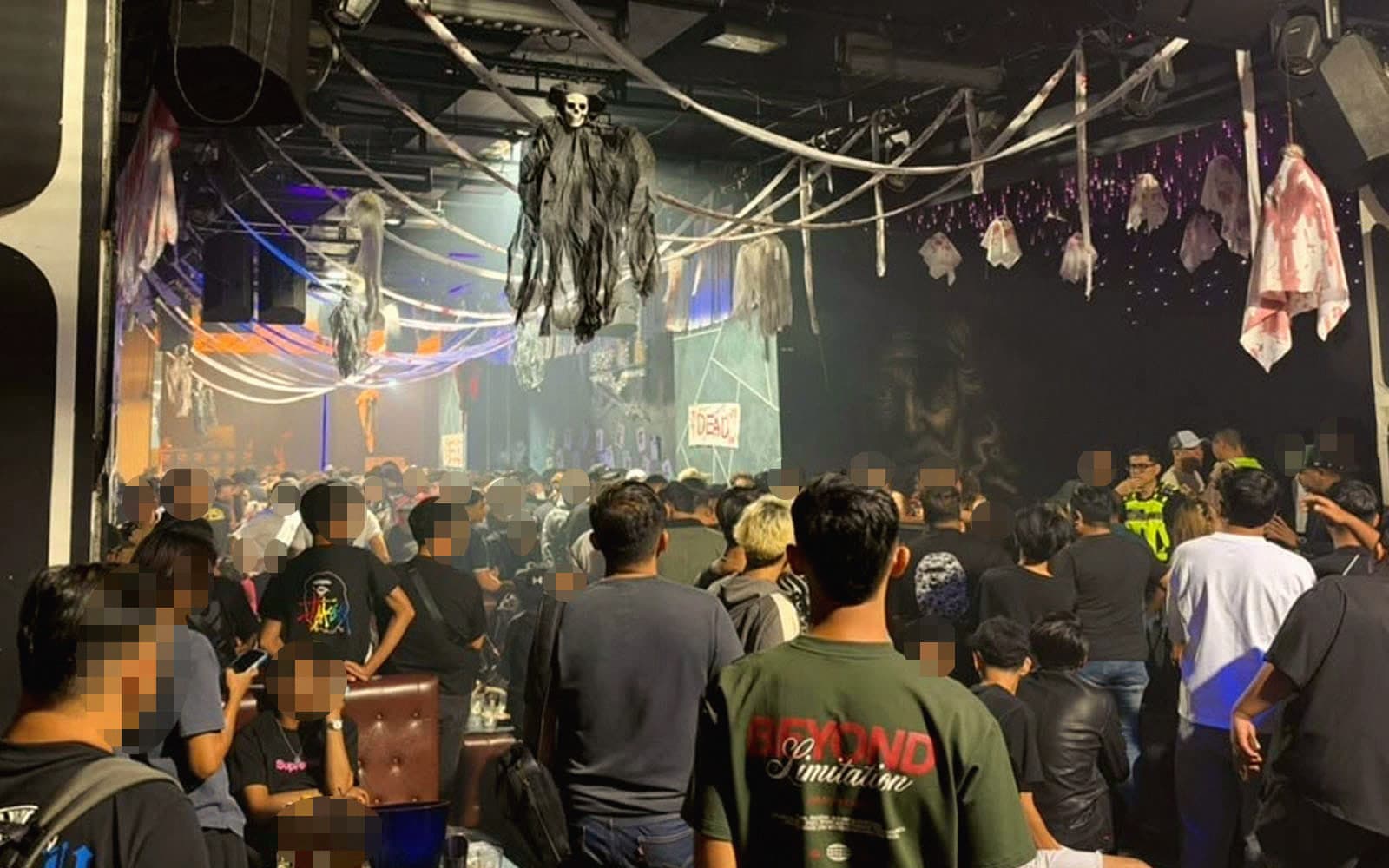
At 2:30am on November 1st, officers from Dang Wangi district police moved into a venue on one of Kuala Lumpur's busiest nightlife strips. By the time the operation wrapped at 10:30am, 417 people, 299 men and 118 women, had been detained and bussed to Dang Wangi headquarters. Every one of them was put through a urine drug test. Assistant Commissioner Ahmad Azwan Amin Nordin told local press the raid followed a tip that the venue was running without a valid entertainment licence and that customers were using drugs inside. No name for the venue has been released; what's public is the scale, the duration of the operation (eight hours) and the fact that an entire room, staff and all, got processed as suspects.
Why do raids keep landing on unlicensed rooms?
This isn't a one-off. Across Southeast Asia, entertainment licensing is slow, expensive and, in cities like Kuala Lumpur, routinely tangled with zoning, alcohol permits and separate anti-vice clearances that can take months to clear. Promoters chasing a crowd on a weekend turnaround don't always wait for the paperwork, and operators who do the work legitimately still get swept into the same headlines when an unlicensed room two doors down gets raided. The result is a licensing gap that enforcement treats as a drug problem and drug enforcement treats as a licensing problem, when it's really both failing the same rooms at once. A raid closes one venue for a night. It does nothing to shorten the queue of promoters who'll take the same risk next weekend because the legal route is slower than the demand for a dancefloor.
Does mass testing actually make anyone safer?
Here's the tension nobody in the official statements addresses: urine-testing 417 people after the fact catches who used something that night, it doesn't tell anyone what was actually circulating in the room, at what strength, or whether it was adulterated. Jurisdictions that have leaned into drug checking at festivals and clubs, on-site reagent and spectrometry testing, pill content disclosed back to the user, have documented real drops in overdose and bad-batch incidents. A post-raid lab result processes blame. It doesn't process risk. Malaysia's drug laws remain some of the strictest in the world, and nobody at TTH is arguing the law should bend. But a scene that only gets contacted by the state through raids, never through harm-reduction outreach, keeps operating in exactly the dark where the dangerous batches live.
A raid closes one venue for a night. It does nothing to shorten the queue of promoters who'll take the same risk next weekend.
Why it matters
For Southeast Asia's underground promoters and venue operators, a 417-person single-night raid is a signal that licensing gaps are now an enforcement priority, not a paperwork footnote, and that unlicensed spaces anywhere in the region carry real legal exposure for everyone inside them, not just the operator.
What we think
Punishing the room after the fact changes nothing about why the room existed unlicensed in the first place, and it does less than zero for anyone's actual safety that night. If Kuala Lumpur wants fewer unlicensed venues and fewer bad drug outcomes, faster licensing and real on-site harm reduction will do more than another 2:30am sweep ever will.