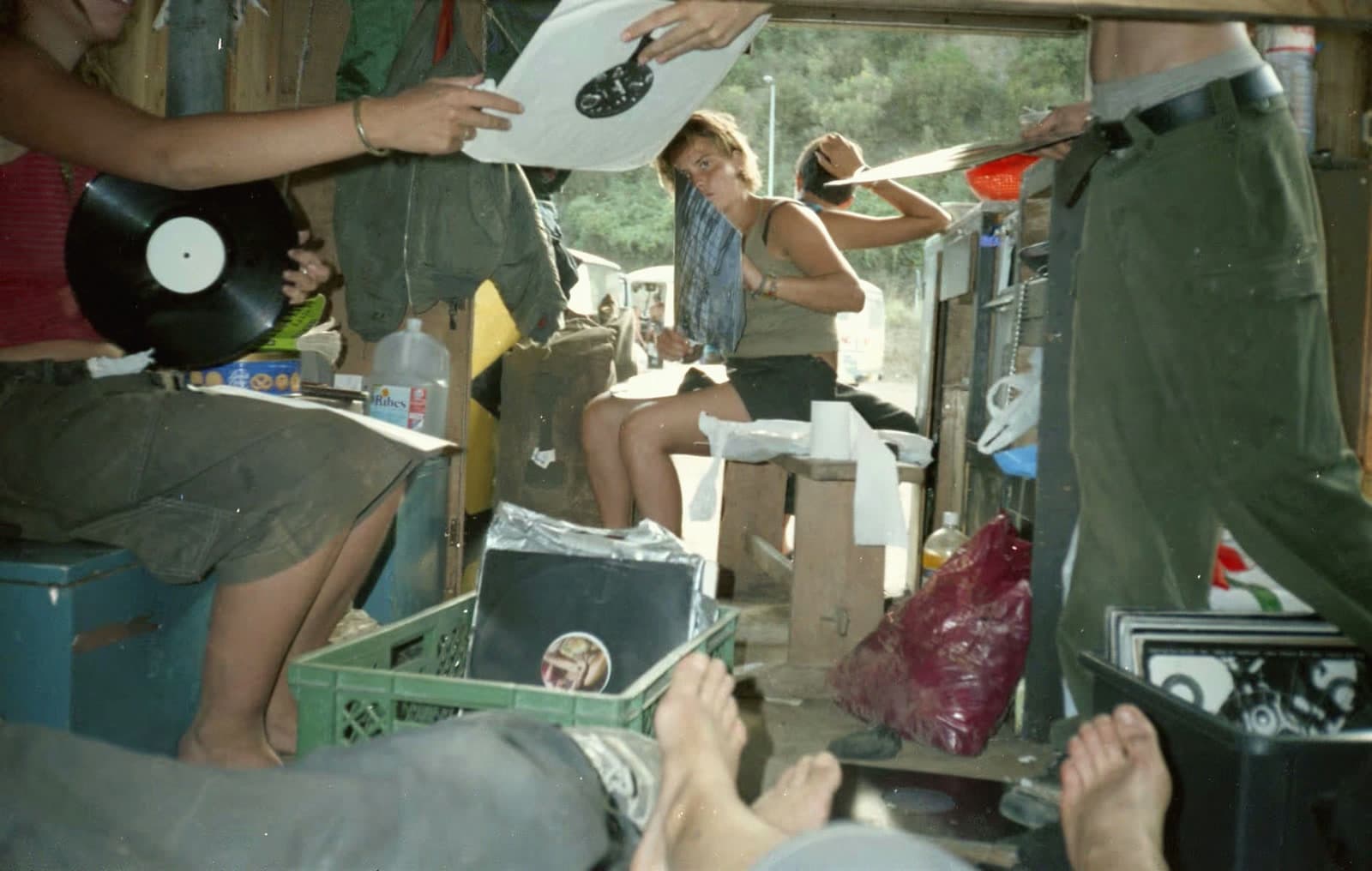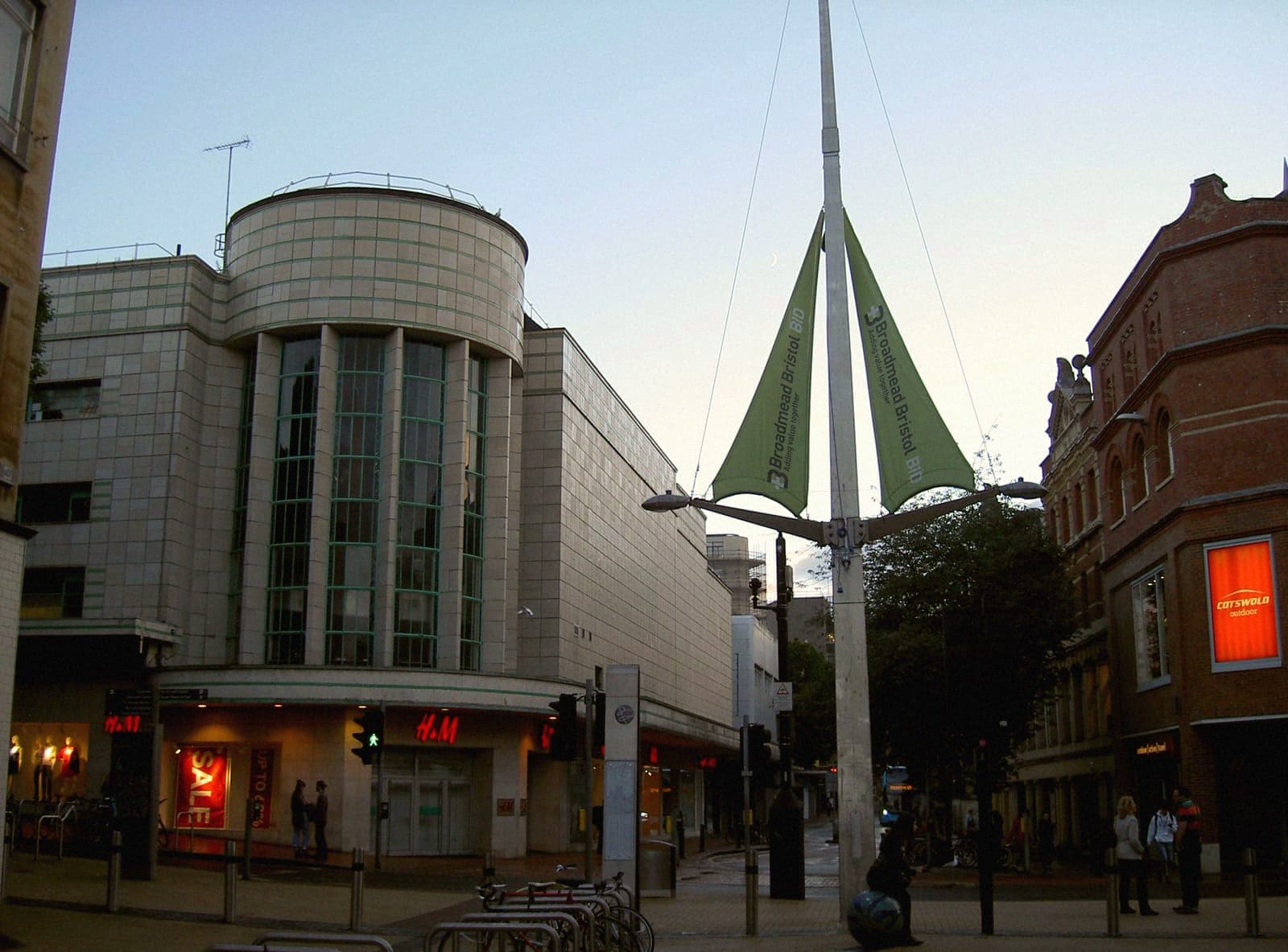
Avon and Somerset Police started getting calls just after midnight on Sunday, October 25. The complaint was simple: "very loud music" coming from a disused warehouse at City Business Park in Lawrence Hill, east Bristol. What they found when they got there was a soundsystem rave roughly 1,000 people deep, and a crowd that had no intention of letting them in.
How did a thousand people hold a warehouse against the police?
According to Mixmag, officers arrived to find the building secured and barricaded, and police said that was a deliberate move to keep them out. Footage circulating from inside showed officers in riot gear and shields at the doors while people inside kept the party running. Outside, uniformed officers held the perimeter to stop more people getting in, and some ravers responded by climbing the surrounding fences instead, scaling their way in or out while the standoff played out. Specialist officers eventually forced entry. By the time the operation wrapped at around 10:30am, roughly ten hours after the first calls came in, police had confiscated the soundsystem and decks and seized a vehicle from the site.
Police said the building was barricaded to "prevent" them from accessing the rave.
Three people were arrested at the scene for intentionally or recklessly causing public nuisance, the charge UK police now default to for unlicensed parties since the repeal of the old noise-specific rave legislation made nuisance the easier case to build. Yahoo News UK separately reports that the same three were later linked to Class A drug possession. Nobody has disputed the scale of it: a thousand-plus crowd is a serious free party by any UK measure, not a scrappy teenage lock-in.
What did it cost the neighbourhood?
The people who didn't choose to be there paid too. Yahoo News UK quotes a nearby resident who said "none of us have slept all night," and described the noise overnight as "pretty brutal." That's the other half of this story that the scene doesn't always want to sit with: a warehouse party next to an industrial estate isn't next to nobody, and residential Lawrence Hill absorbed an entire night of bass and police action it never signed up for.
This is a familiar shape in UK free-party history. Illegal raves in disused industrial units have outlasted every crackdown since the Criminal Justice Act of 1994 tried to legislate "repetitive beats" out of existence, because the economics underneath them haven't gone away: empty industrial space is cheap and plentiful, and a late licence for a genuine warehouse-scale underground night in a city like Bristol is neither cheap nor easy to get.