What changed at the Rave Preservation Project?
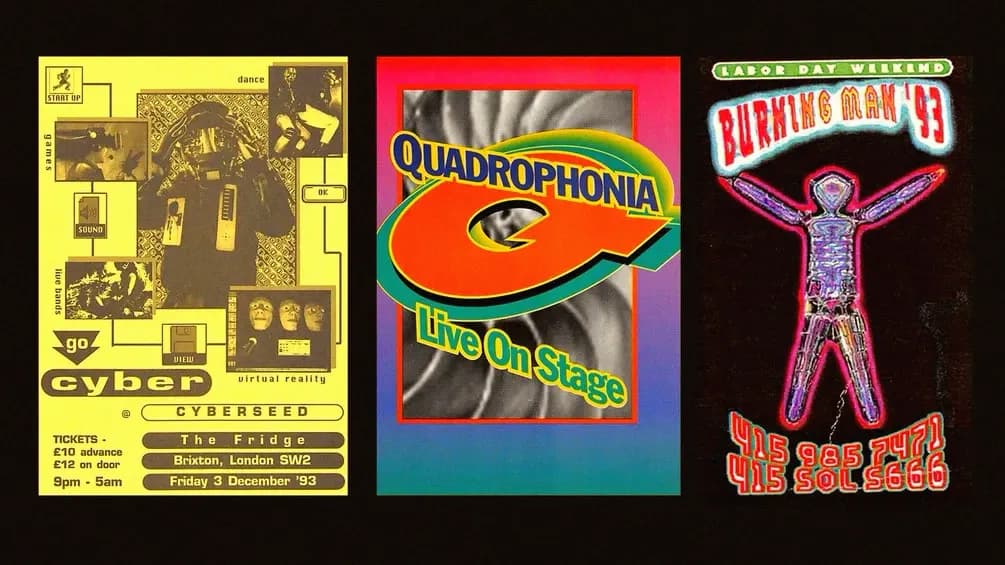
For thirteen years the Rave Preservation Project has been a read-only shrine: more than 40,000 flyers, posters and pieces of artwork from rave history, scanned and filed away. This week it stopped being a museum and started being a tool. The project rolled out a new Directory to the Underground plus a set of discovery features, turning the static archive into something artists, promoters, labels and venues can actually plug into. Listings can now carry media links, so a single page pulls in a DJ's YouTube, SoundCloud, Bandcamp, Spotify and Apple Music in one place. The galleries were rebuilt for browsing, and the search was sharpened so the collection is findable rather than just stored.
"Electronic music culture is often spread across social platforms, short-lived posts and fragmented links. We're building a more durable system that helps people find artists, preserve memorabilia and experience content without leaving the platform." Rave Preservation Project
Why does an archive of old flyers matter now?
Because the underground keeps deleting its own history. Most of dance music's memory lives on platforms that were never built to keep it: an Instagram story that vanishes in a day, a SoundCloud that goes silent when the card expires, a promoter page that gets archived the moment a party ends. Flyers are the receipts of a scene that mostly happens off the record, and a searchable directory that links them to living profiles is the closest thing rave culture has to a permanent address. The shift from passive archive to interactive hub means the people who made the history can now keep their own corner of it current.
Who is behind it, and what is the catch?
The project was founded in 2013 by Matthew Johnson, an Oregon-based archivist, and it has grown into one of the largest collections of rave ephemera anywhere. The catch is the one every archive faces: a directory is only as good as the people who feed it. Letting artists, promoters and labels manage their own pages solves the bottleneck of one archivist doing everything, but it also hands the keys to self-promotion, and a preservation project lives or dies on whether the history stays honest. For now, it is a rare piece of infrastructure built to remember rather than to sell.