What actually happened on the streets of Berlin?
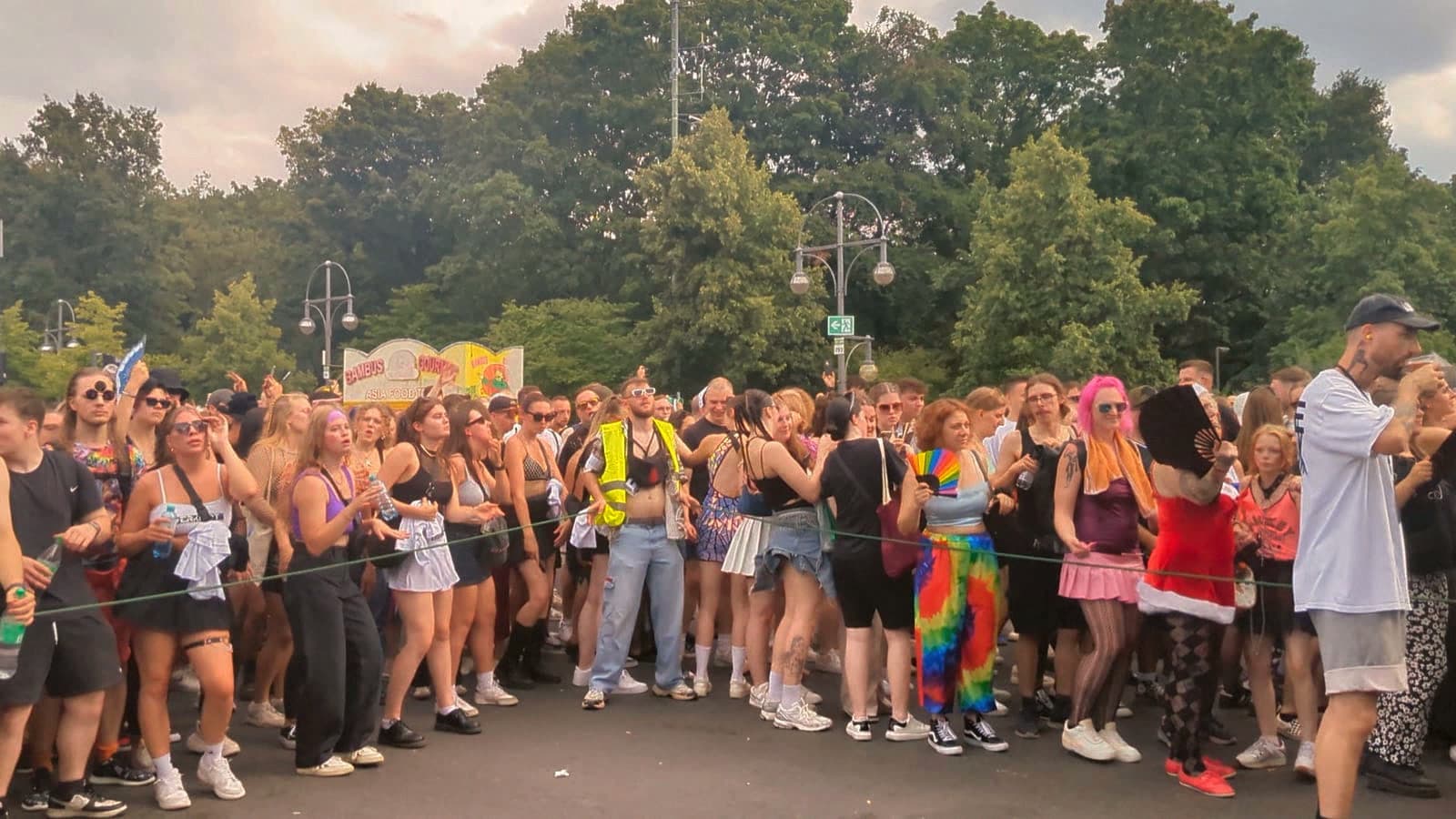
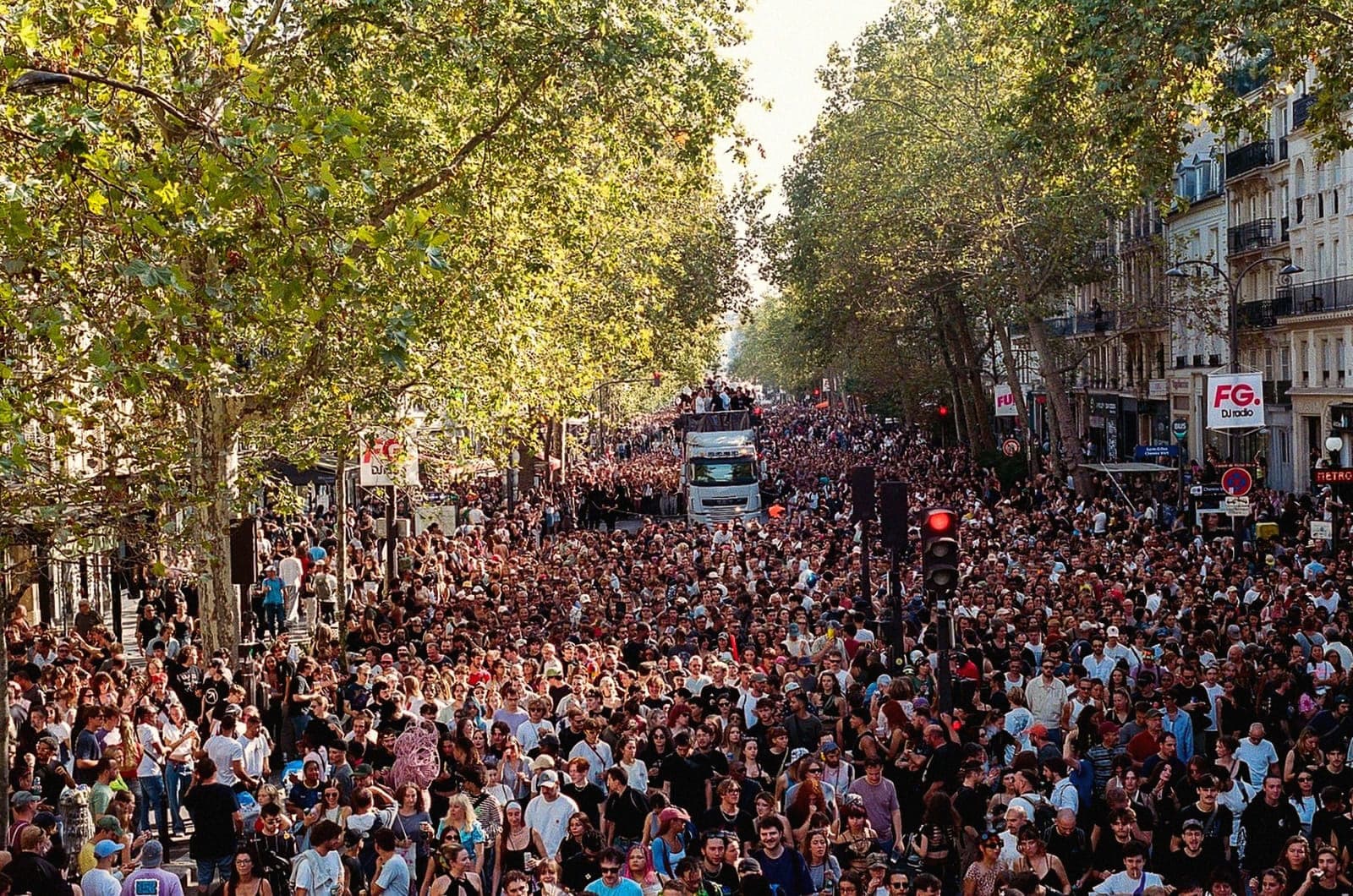
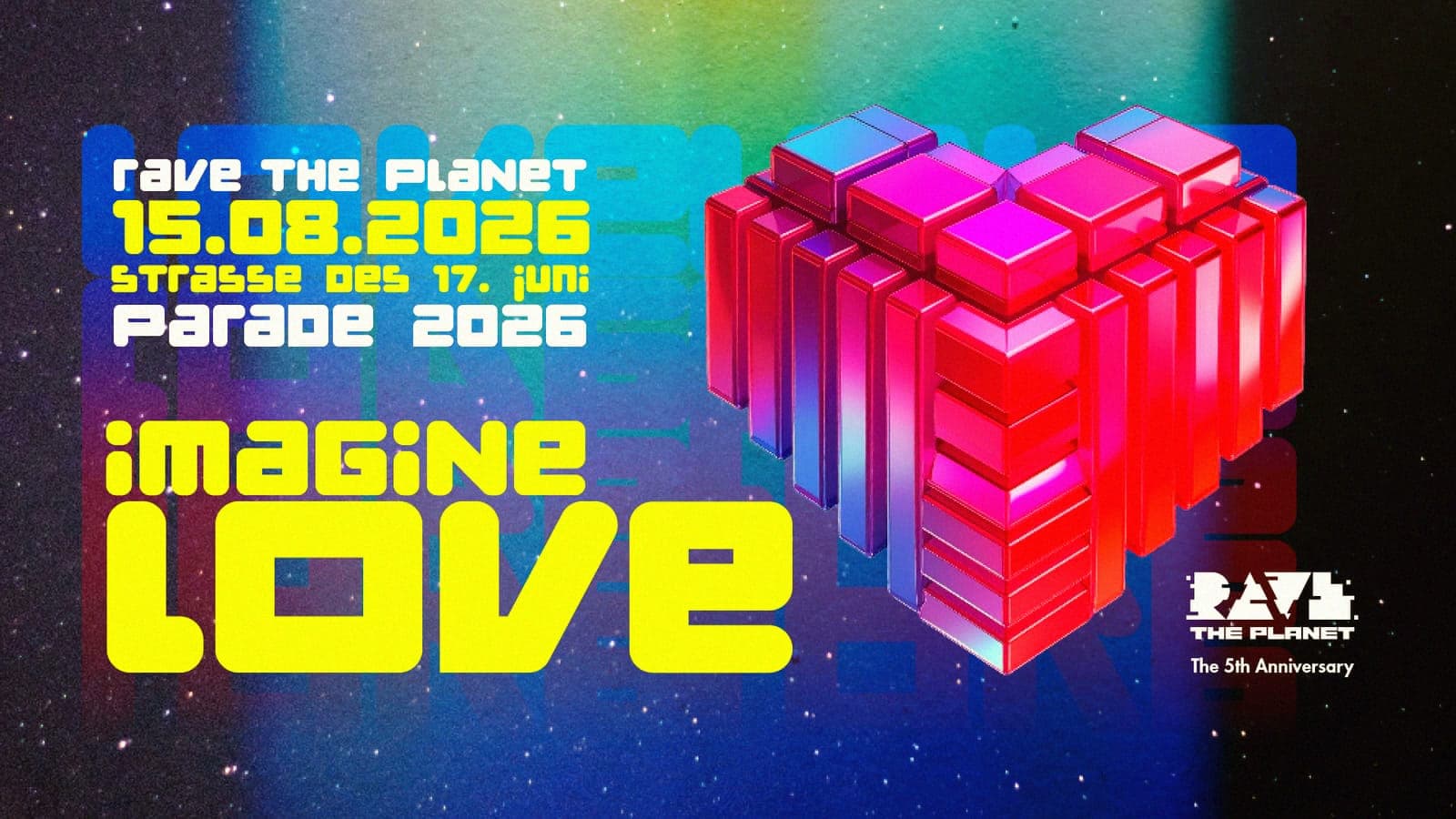
On August 15, roughly 300,000 people filled Straße des 17. Juni between the Brandenburg Gate and Großer Stern for the fifth edition of Rave The Planet, Berlin's biggest annual techno parade. Thirty-four floats and more than 300 artists took part, among them Dr. Motte, Hannah Laing, Gary Beck and Anna Tur, under this year's theme, 'IMAGINE LOVE.' The date itself was a concession: organizers had originally planned August 1, then moved it to avoid clashing with Nature One and Hamburg's own CSD.
Before a single float moved, the crowd stood for a moment of silence. It was for the victims of the terror attack that hit Berlin's Christopher Street Day three weeks earlier, and it set the tone for everything that followed.
Why did this rave need 1,500 police officers?
On July 25, a 21-year-old attacker with a prior extremism conviction rammed a vehicle into the crowd at Berlin's CSD and continued the assault with a machete, killing one person and injuring 29 before he was shot dead by police the following day. Authorities have treated it as Islamist-motivated terrorism. Rave The Planet built its entire 2026 security plan around that attack, and Berlin police answered with 1,500 officers on the ground for the parade.
The scene's response hasn't stopped there. Zug der Liebe, Berlin's other major techno parade, scrapped its street march for 2026 entirely, citing the same security burden, and replaced it with a stationary solidarity rally on August 29 in defense of the RAW-Gelände club complex. Two of Berlin's biggest techno gatherings, one shrunk to a standstill, one marched anyway.
What exactly is the techno scene demanding?
Rave The Planet's organizers didn't just ask people to show up. They issued ten formal political demands. Two have been made public: legal protection for the parade under German assembly law, and official cultural-heritage recognition for electronic music and club culture as a matter of cultural policy, not nightlife tolerance.
"Change begins in the mind. If you can imagine love, you can live it too.", Dr. Motte
That line reads soft on its own. In context, issued by the founder of the original Love Parade at a rally demanding legal armor for clubs three weeks after an attack on a queer celebration, it's closer to a mission statement than a slogan.
Why it matters
Assembly-law protection and cultural-heritage status aren't symbolic asks. If either lands, Berlin's club scene gains real legal leverage against noise complaints, redevelopment pressure and closures, the same forces that have already claimed venues across the city.
What we think
A rave that opens with a moment of silence and closes with a policy list isn't retreating into escapism, it's doing the opposite. Three weeks after an attack aimed at queer Berlin, the techno scene chose to get louder and more organized, not quieter. That's the real story here, not the float count.