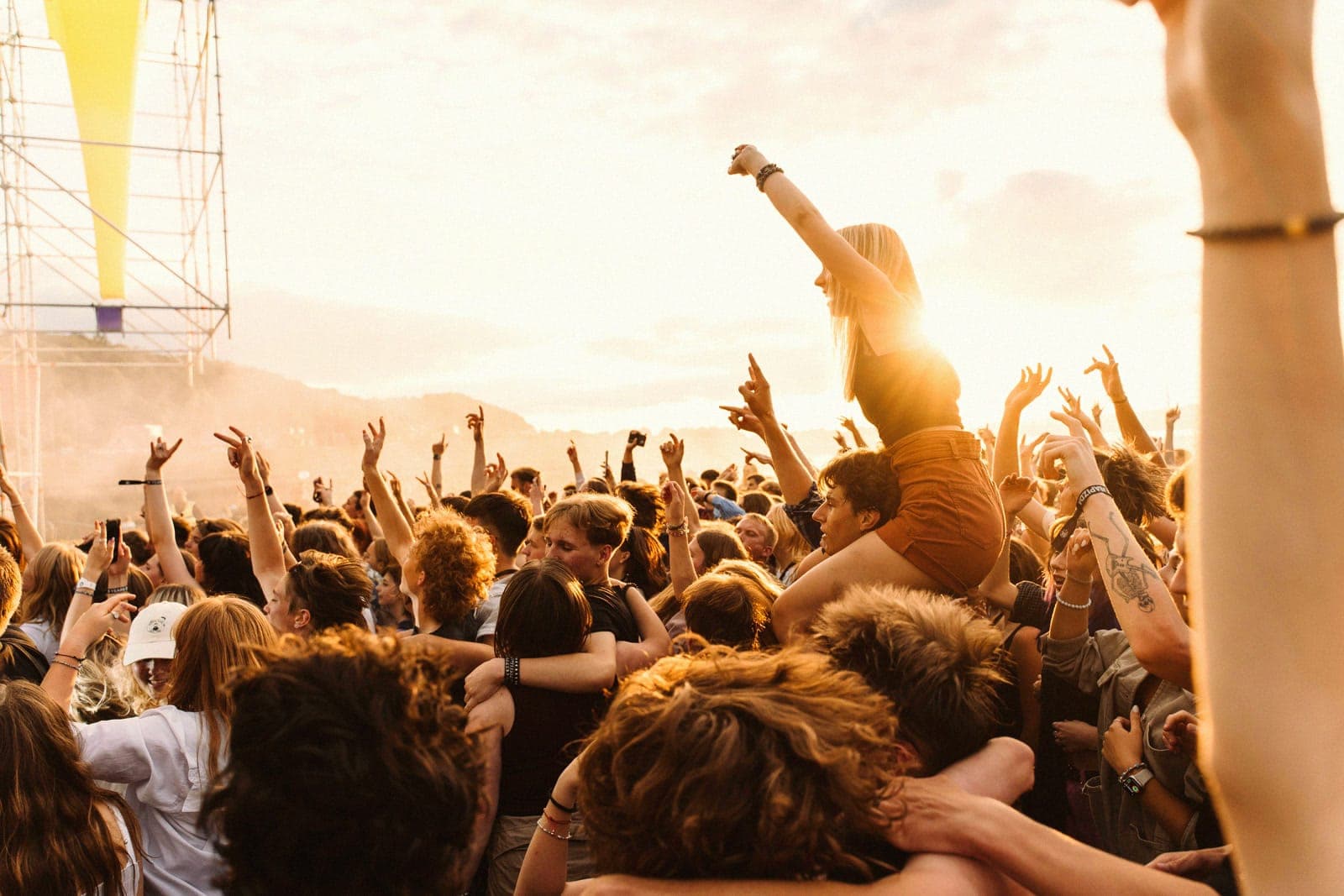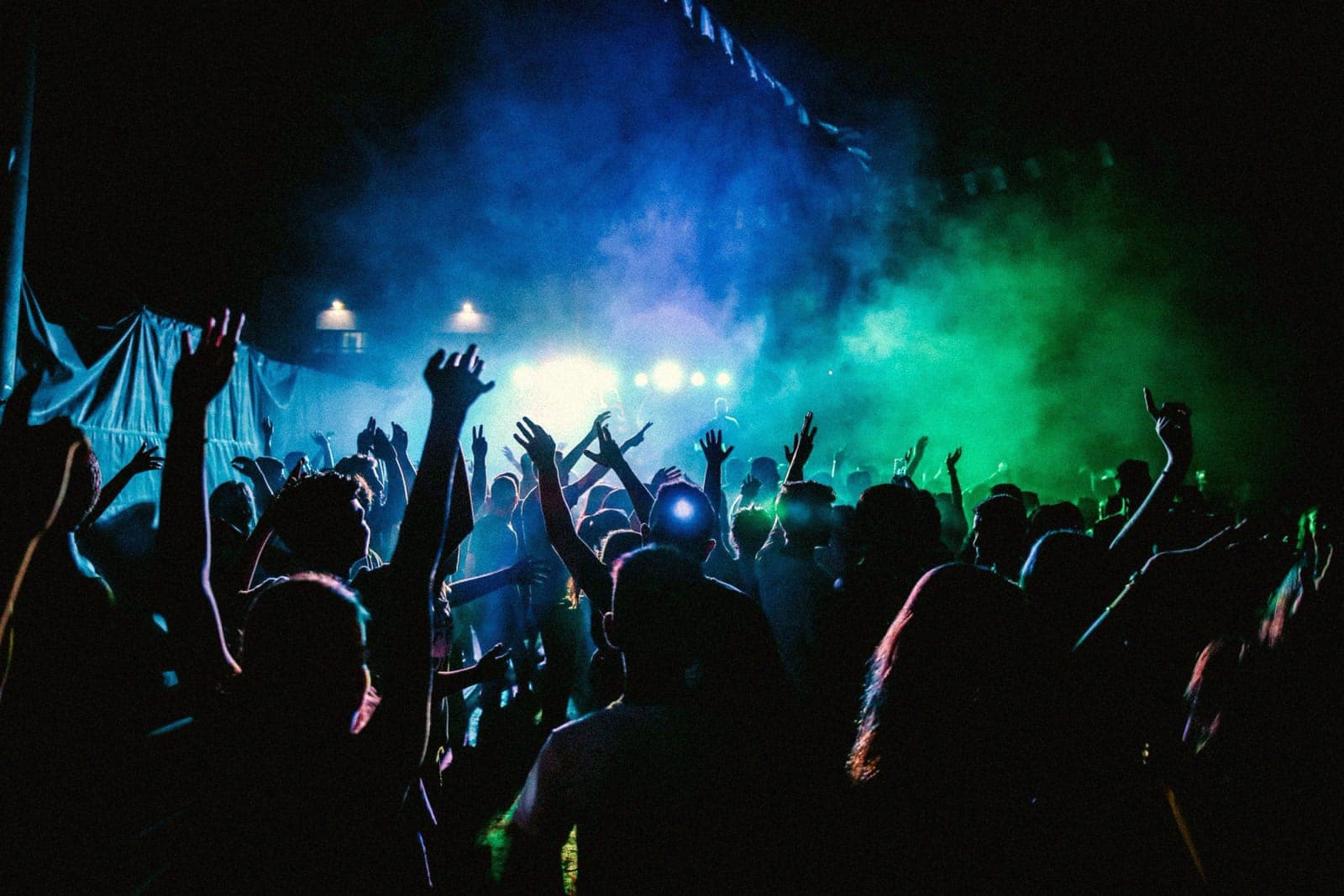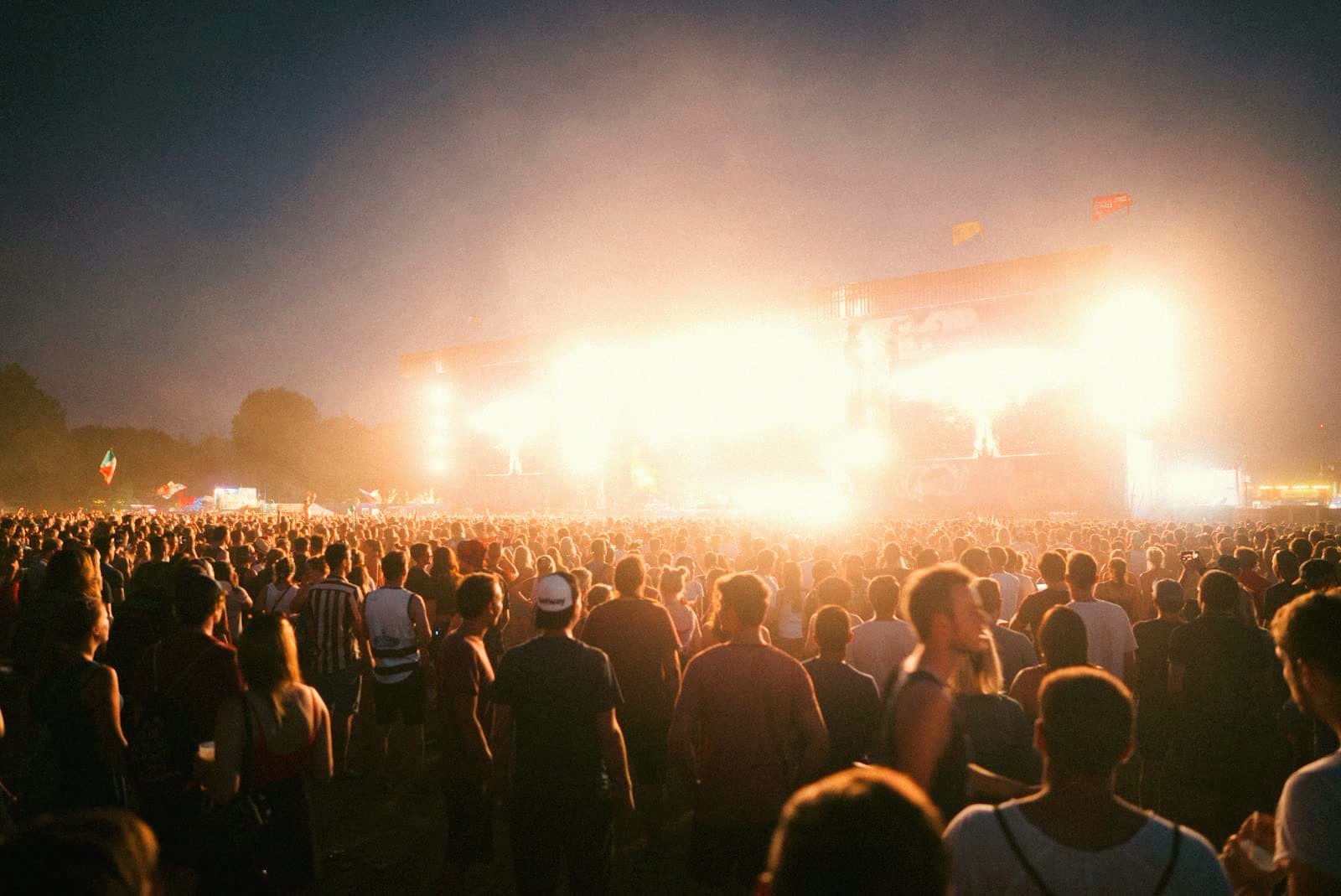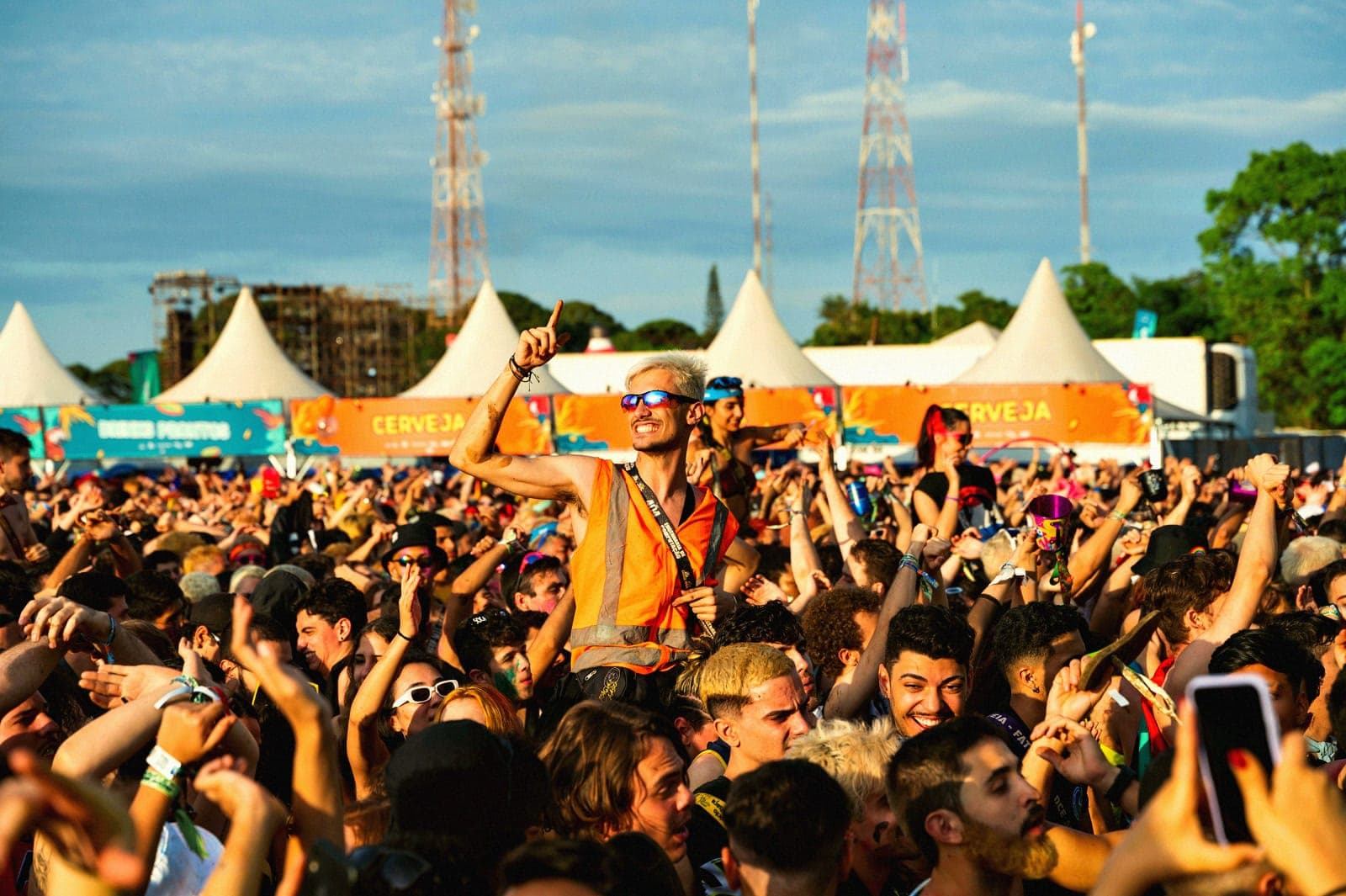
For people with ADHD or autism, the dancefloor can offer something surprisingly rare: a place where restless minds find focus, movement becomes freedom, and connection doesn't require words.
Have you ever wondered why someone who struggles to sit through a 30-minute meeting can happily dance for hours?
Or why someone who finds small talk exhausting might feel completely connected to a crowd of strangers at a rave?
For many neurodivergent people, particularly those with ADHD or autism, the dancefloor can offer something that everyday life often doesn't: a place where their natural way of experiencing the world makes sense.
And there's some fascinating science behind why.
When the mind wanders, the body finds the beat
For people with ADHD, maintaining attention isn't necessarily about an inability to focus. It's often about difficulty regulating where attention goes, particularly when something isn't sufficiently engaging.
A conversation, a meeting, or even sitting still can require a constant effort to stay present.
But put on a beat, and something interesting can happen.
The rhythm gives the mind something to follow. The music provides stimulation. And dancing gives restless energy somewhere to go.
Instead of fighting the desire to move, movement becomes part of the experience.
A 2025 systematic review examining 20 studies involving 1,170 participants found that music listening and music-based interventions showed promising benefits for people with ADHD, including attention and self-regulation, although results varied.
Another 2024 study published in Communications Biology found that certain rhythmic properties of music helped sustain attention, particularly among participants reporting more ADHD symptoms.
This doesn't mean that techno magically treats ADHD. But it suggests something worth considering: stimulation isn't always the enemy of concentration.
Sometimes, it's exactly what helps us focus.
And dancing adds another dimension. Instead of trying to quiet a wandering mind through stillness, we're giving it a rhythm to return to.
The beat becomes an anchor.
For autism, connection doesn't always need conversation
Social interactions can be exhausting for some autistic people.
Conversations often involve navigating eye contact, facial expressions, tone of voice, pauses, unspoken expectations, and knowing when it's your turn to speak.
A dancefloor offers a very different form of interaction.
You don't need to know what to say. You don't necessarily need to make eye contact. You can stand beside someone, move to the same rhythm, exchange a smile, and feel connected without speaking a word.
The social experience isn't absent. It's simply happening through another language.
Movement.
Research into dance and autism supports the potential of this alternative form of connection.
In a 2015 study involving 31 autistic young adults, participants who took part in a seven-week dance movement therapy program reported improvements in body awareness, well-being, self-other distinction, and social skills.
The findings were preliminary, and subsequent research has produced mixed results. But they raise an interesting possibility: movement-based interaction may offer some autistic people an accessible way to experience connection.
More importantly, a rave doesn't necessarily demand that someone become better at conventional social interaction.
It gives them another way to participate.
And perhaps that's the real beauty of it.
You don't have to understand every social cue to feel part of something. Sometimes, you just have to move to the same beat.
Dancing together creates a real sense of belonging
That feeling of being connected to complete strangers on a dancefloor isn't necessarily just in your imagination.
Scientists call it interpersonal synchrony: when people coordinate their movements in time with one another.
And it appears to have powerful social effects.
In a 2015 experiment, researchers at the University of Oxford found that dancing in synchrony increased feelings of social bonding. Physical exertion and synchronized movement independently increased pain thresholds, a measure sometimes used as an indirect indicator of endorphin activity.
A 2016 silent disco experiment also found that participants moving in synchrony experienced greater social closeness.
Think about that for a moment.
People don't necessarily need to exchange personal stories, know each other's names, or have anything in common beyond the music to experience a sense of togetherness.
They just need to share a rhythm.
For someone who finds traditional social environments overwhelming or difficult to navigate, that possibility is particularly meaningful.
On the dancefloor, connection can happen before conversation.
The freedom to move without being judged
There's another reason dance culture may hold particular appeal for neurodivergent people: the freedom to express themselves physically.
Many autistic people engage in stimming, repetitive movements such as rocking, swaying, tapping, or moving their hands, which can help regulate emotions and sensory experiences.
In everyday environments, these movements are sometimes misunderstood, discouraged, or judged.
But at a rave?
People are moving their hands, rocking back and forth, bouncing, swaying, and responding physically to the music.
Suddenly, movements that might attract unwanted attention elsewhere can become a natural part of the environment.
A 2019 study interviewing 32 autistic adults found that stimming commonly served as an important form of emotional self-regulation.
More recent 2025 research, involving two surveys of autistic adults, found that stimming could also support social connection and communication, particularly within autistic communities.
And in a particularly relevant 2026 study published in Popular Music, researchers explored the experiences of disabled DJs in electronic dance music culture.
Some neurodivergent participants described dance music environments as places where they could move more naturally, experience intense focus, and feel connected without constantly suppressing their behaviours.
The researchers highlighted how dancing and stimming can overlap, creating opportunities to participate more authentically.
In other words, a movement considered unusual in one environment can become completely normal in another.
And that change in social expectations can be liberating.
When stimulation becomes regulation
Of course, there's a paradox here.
Raves are loud. They're crowded. They're full of flashing lights and intense sensory stimulation.
For some neurodivergent people, particularly those with sensory sensitivities, that environment can be extremely overwhelming.
But for others, particularly when the music is familiar or enjoyable, the experience can feel surprisingly regulating.
The difference may come down to the relationship between stimulation, control, and personal preference.
A crowded shopping centre can feel chaotic because you're processing hundreds of unrelated sounds, movements, and distractions.
On a dancefloor, much of the stimulation is organized around one central experience: the music.
The beat is repetitive. The rhythm is predictable enough to follow. Your movements can synchronize with it.
Rather than having attention pulled in a hundred different directions, there is something to return to.
Research on musical groove, the pleasurable urge to move to music, has found connections between rhythm perception, movement, anticipation, and reward-related brain processes.
This doesn't mean a rave is inherently calming, or that sensory overload disappears. Far from it. The same environment can feel wonderful one night and unbearable another.
But it helps explain why intense stimulation isn't always experienced as overwhelming.
Sometimes, the right stimulation, chosen freely, can help us feel more present.
A place to be yourself, and part of something bigger
There's something beautifully contradictory about raving.
You're surrounded by people, yet you can be completely in your own world.
You can close your eyes and disappear into the music, or look around and feel an extraordinary sense of connection.
You can dance alone, with friends, or beside strangers you'll never speak to.
And none of those experiences is necessarily less social or meaningful than another.
For people with ADHD, the beat may offer an engaging focus for otherwise restless attention.
For autistic people, dancing may offer a way to communicate, self-regulate, and connect without some of the demands of conversation.
And for everyone, moving together can create a genuine sense of belonging.
None of this means every neurodivergent person will enjoy raving. Accessibility matters: manageable sound levels, hearing protection, quieter areas, personal space, and freedom to leave are essential. Loud music, flashing lights, overcrowding, and sleep deprivation are real concerns.
Nor does the research establish that raves themselves are a treatment for ADHD or autism.
What it does suggest is something perhaps more interesting.
Sometimes, the environment that makes someone feel different is the problem, not the difference itself.
Maybe that's why the dancefloor can feel so special.
For a few hours, nobody asks you to sit still, pay attention in the conventional way, make perfect small talk, or explain why you move the way you do.
You can simply exist, move, feel, and connect.
And sometimes, without saying a single word, you can feel completely understood.
Maybe that's what belonging is supposed to feel like.