What does zero tolerance actually buy a dancefloor?
Sniffer dogs at the gate. Amnesty bins by the door. A poster announcing a zero-tolerance drug policy, and a search on the way in. It looks like safety. It is mostly liability. None of it tells the person about to swallow a pill what is in that pill, and the market has never been more of a lottery: MDMA doses have climbed, cheap adulterants turn up in what is sold as ketamine or cocaine, and synthetic opioids like nitazenes have started appearing in the powders Europeans buy blind. Worse, the theatre has a body count of its own. Coroners examining festival deaths, most pointedly in New South Wales after a run of fatalities, have found that aggressive policing pushes people to swallow their whole stash at once when they spot a dog, turning a risky dose into a lethal one. Just say no does not delete the drugs. It only deletes the information.
How does the Dutch model work instead?
The Netherlands stopped pretending in 1992. That year its health ministry set up DIMS, the Drugs Information and Monitoring System, still the oldest and largest drug-checking network on earth. The premise is at once mundane and radical: treat drug use as a fact to be managed, not a sin to be denied. Anyone can carry a sample into one of roughly thirty testing points run through addiction-care services, hand it over, and come back for lab results and a face-to-face consultation. When a dangerous batch appears, a high-dose pill, a mis-sold substance, an adulterant, the system issues a public red alert. It is not a free-for-all. The Dutch actually banned on-site testing at festivals in 2002, nervous that a tent in a field looked like an endorsement, so the model is a sober public-health service, not a party add-on. But the baseline is honesty: know what is going round, say it, and let people decide with their eyes open.
Does information actually change what people do?
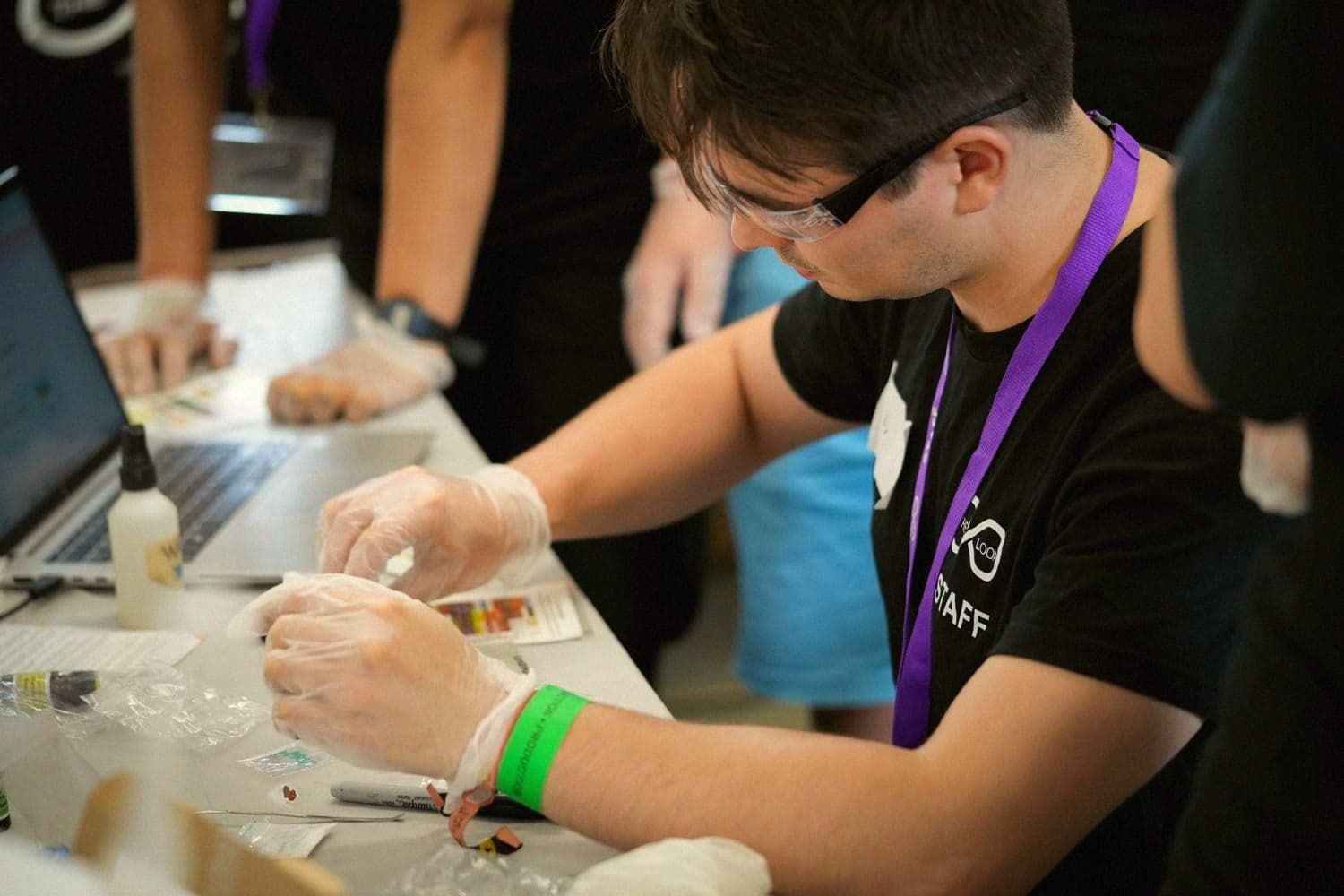
This is the objection every promoter hides behind: testing encourages use. The data says the opposite. When The Loop, Britain's first licensed drug-checking charity, tested substances at English festivals in 2018, 61.7% of people handed over and destroyed what they had bought once it came back as something other than what they were sold, and around one in five decided not to take their drugs at all. Roughly half chose to take less. Founded in 2013 by the criminologist Fiona Measham and the drum and bass DJ Wilf Gregory, The Loop now runs licensed clinics in Camden and Hackney every month through 2026. Eleven European countries reported some form of drug checking in 2025. And yet Britain spent 2023 going backwards: the Home Office suddenly insisted festival testing needed a licence it had never demanded before, forcing services off site mid-season. The evidence pointed one way; the politics went the other.
You cannot warn someone about a pill you are pretending they will never take.