What did Roland actually abandon?
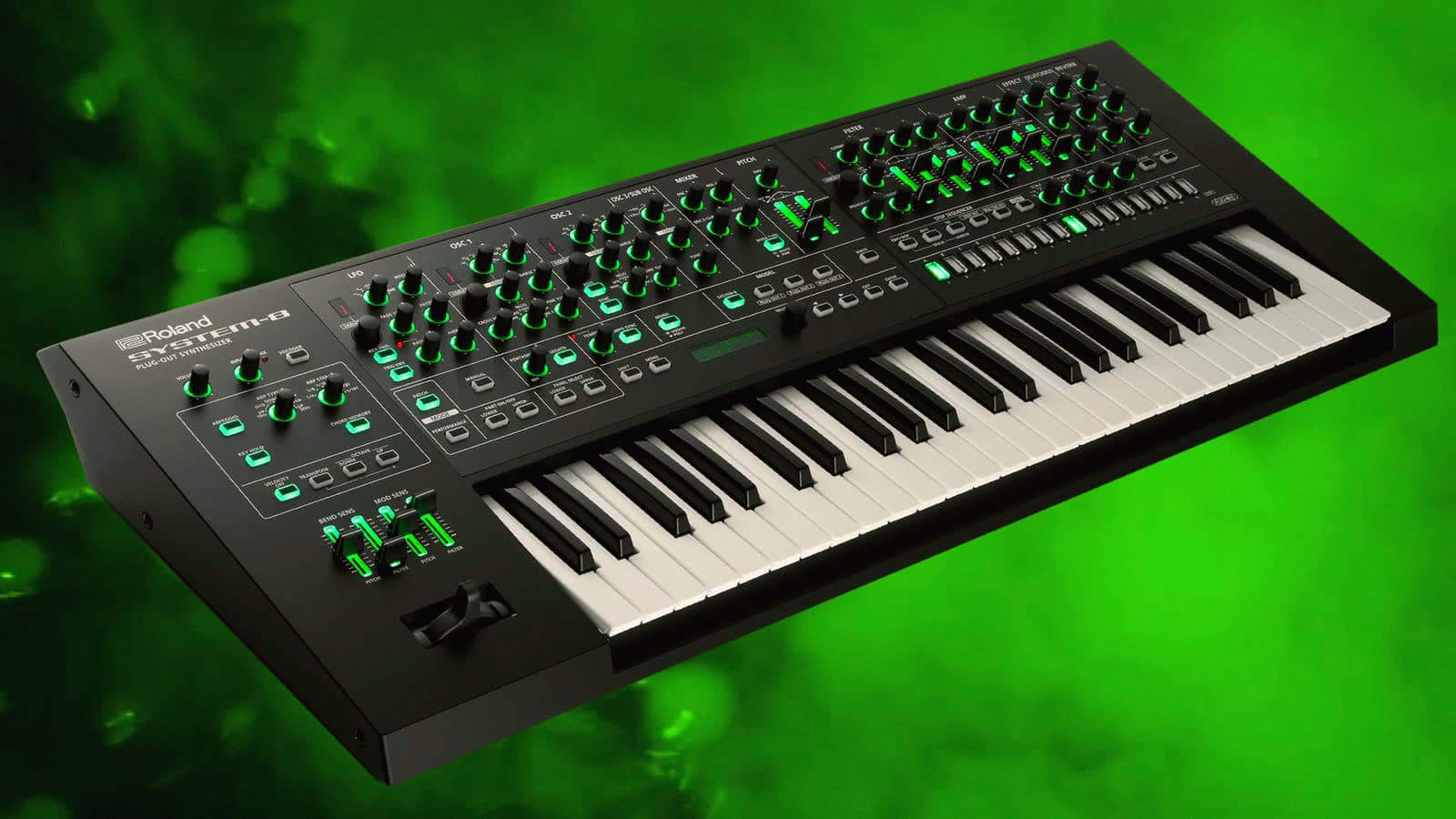
When Roland launched the AIRA SYSTEM-1 in 2014, Plug-Out was the pitch: hardware that could load software recreations of vintage Roland synths, the SH-101, the Jupiter-8, like cartridges. Roland widened the format to the semi-modular SYSTEM-1M and the full-size SYSTEM-8 in 2016, but the rules never changed: owners could load whatever Roland chose to sell, nothing else, capped at four voices no matter which engine ran. Roland hasn't shipped a new official Plug-Out in years and offers no current support for the format, per Synth Anatomy. The hardware still works fine. The pipeline that was supposed to keep feeding it new sounds just quietly stopped.
What does the hacked SDK actually unlock?
Developer Emilio Norrmann reverse-engineered the Plug-Out DSP layer across all three machines and built an SDK that hands the format back to anyone who wants it: a C/C++ compiler, a bit-exact emulator of the Plug-Out DSP so engines can be tested before they touch real hardware, an assembler/disassembler, and the firmware container tools needed to actually load a build onto a SYSTEM-1, SYSTEM-1M or SYSTEM-8, Synth Anatomy reports. The code is on GitHub, and the headline spec bump is voice count: engines built with the SDK can run up to eight voices, double Roland's original four-voice ceiling, which Synthtopia confirmed running live on SYSTEM-1 hardware. Two working example engines are already out: a wavetable synth and a plucked-string engine built in the style of Mutable Instruments' physical modeling work.
The SDK's quiet message to Roland: the format you stopped supporting never actually died, it just needed someone outside the company to keep it alive.
Why does this matter past three discontinued synths?
Because it's the same story the Pioneer CDJ-3000 jailbreak told DJs: a manufacturer treats a product's software layer as a closed shop, support lapses or the company simply moves on, and hardware built to last outlives the company's interest in it. Synthtopia frames this one correctly, as a shift in who controls the instrument, from a single manufacturer's approved catalog to whatever a community of outside developers decides to build: wavetable, granular, physically modeled, anything the eight-voice DSP can carry. For every SYSTEM-1, SYSTEM-1M and SYSTEM-8 already sitting in a studio, racked and otherwise idle, this SDK is the difference between a dead-end box and an open synthesis platform Roland never intended to sell.