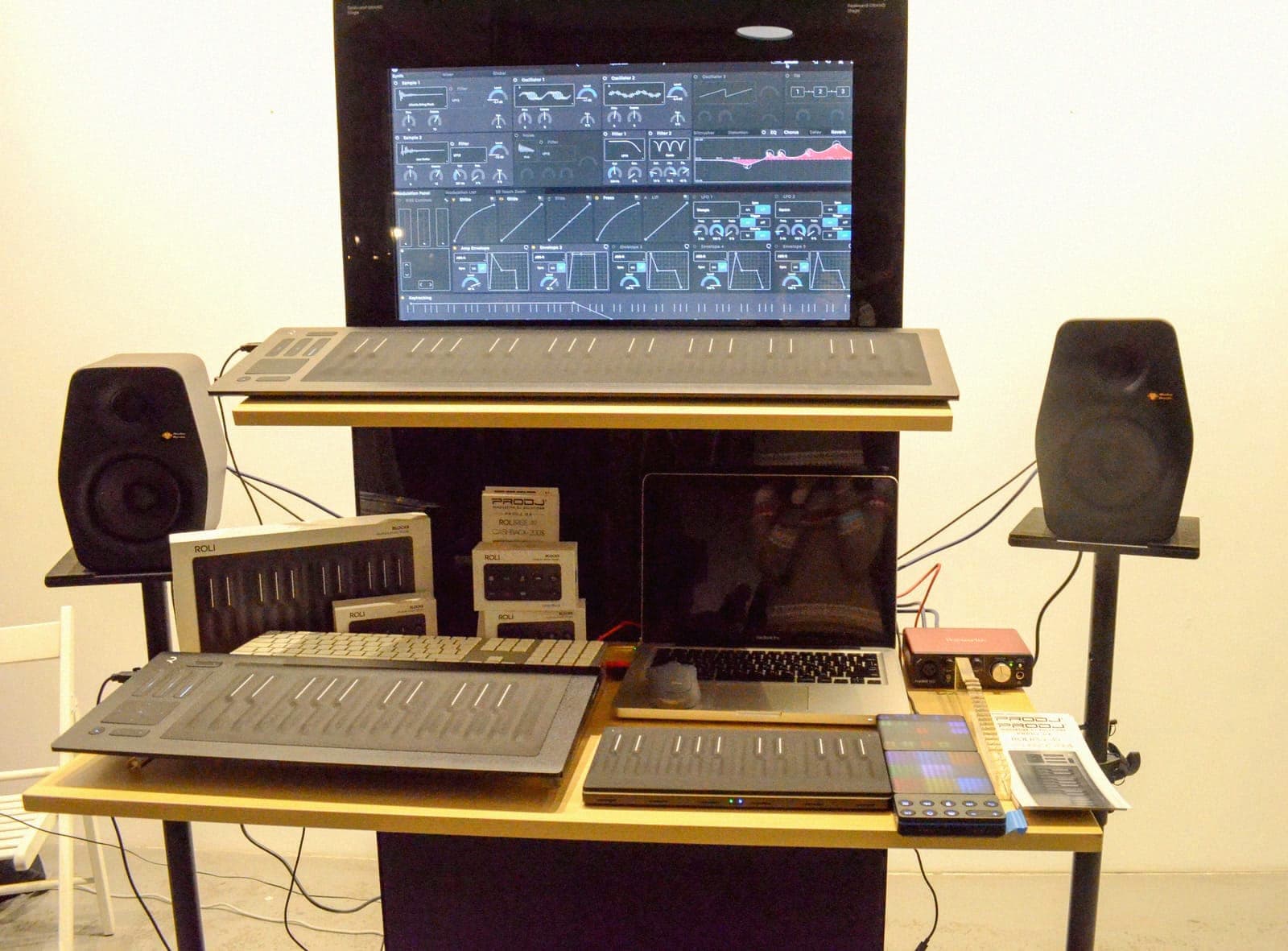
ROLI built some of the most genuinely new instruments to come out of music tech in the last decade: the pressure-sensitive Seaboard keyboard, the pocket-sized Lumi, the modular Blocks system. None of that has kept the company solvent. Lender TriplePoint has filed a notice of intention to appoint administrators, the formal first step toward a UK insolvency process, and it is happening to ROLI for the second time.
The first collapse came in September 2021, when ROLI filed for bankruptcy and re-emerged as Luminary, a beginner-focused offshoot built around cheaper, subscription-driven products like the Lumi keyboard. That pivot bought time, not a fix. A separate report from BDC Credit Reporter on July 21, 2026 described Luminary Roli Limited as being pushed toward the UK's bankruptcy equivalent by a lender, with a last-minute capital raise underway and little optimism it would land. Two weeks later, TriplePoint's filing made the threat to the parent brand formal.
What actually happened inside the company?
Founder Roland Lamb, the inventor of the Seaboard and the public face of ROLI for over a decade, was removed as CEO on April 23, 2026. The company didn't announce it. The news only surfaced on July 3, more than two months later, which is itself a signal of how little ROLI wanted this in the open. No replacement CEO has been named publicly.
Meanwhile the customer-facing signs of a company in freefall were already stacking up. ROLI's website currently greets visitors with a site-maintenance notice instead of a store. Every product, hardware and software alike, is out of stock. Buyers who placed orders months ago say they're still waiting, with no shipment and no clear explanation.
ROLI raised over $75 million across its lifetime chasing a premium-only market position it never turned into a sustainable business.
Why did the reboot fail too?
ROLI's problem was never the instruments. The Seaboard's MPE-driven, gesture-sensitive playing surface remains one of the few genuinely original interfaces to reach market in the synth world, and it's why Universal Music Group backed the company alongside Balderton Capital and Foundry Group. The problem was always positioning: ROLI built five-star hardware at price points that put it out of reach for most of the players who'd actually want it, then tried to walk that back into a mass-market subscription business under the Luminary name without ever proving it could sell Seaboards and Blocks profitably in the first place.
An instrument maker can survive one bankruptcy on the strength of its ideas. A second filing, with the founder pushed out and the site dark, is a much harder story to spin as a reboot.