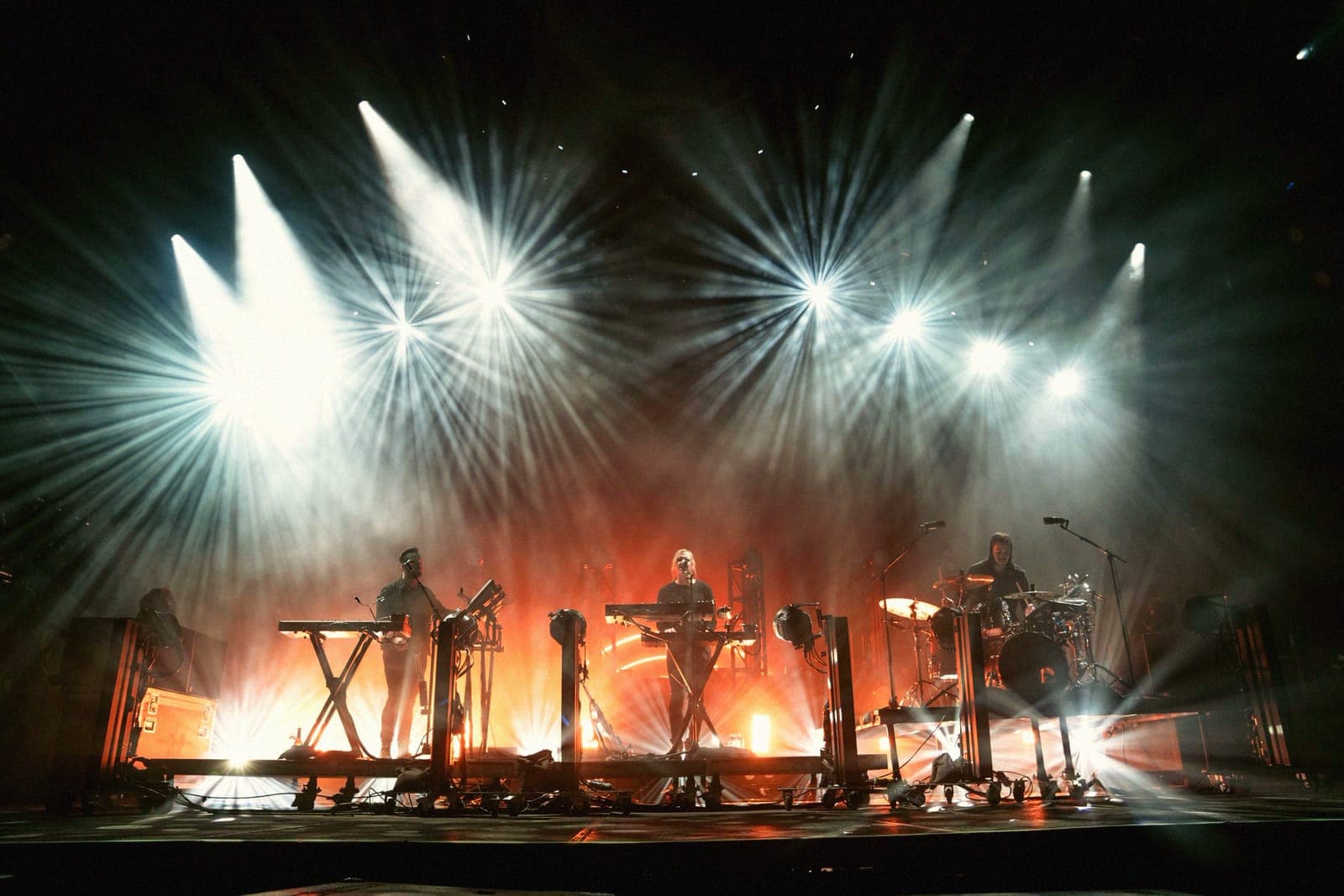
RÜFÜS DU SOL closed the Inhale/Exhale world tour on September 5, 2026 with numbers no electronic act has ever posted: $158 million grossed, 1.7 million tickets sold, 115 shows across four continents, according to Billboard Boxscore data reported by DJ Mag and Billboard Pro. It is the first dance music tour to cross $100 million, and the first electronic tour ever to sell more than a million tickets.
How big is $158 million, really?
Big enough to make the previous benchmark look small. ODESZA's The Last Goodbye Tour, the prior high-water mark for an electronic act, grossed $56.3 million and sold 801,000 tickets across its 2022 to 2024 run, per Boxscore figures cited by Billboard. RÜFÜS DU SOL beat that on gross alone by nearly triple, on a tour that ran less than two years. Zoom out further and the gap gets starker: ODESZA's entire career live revenue sits at $75.4 million, Illenium's at $88.3 million. RÜFÜS DU SOL's Inhale/Exhale run alone, one tour, cleared both of those full careers combined.
North America carried the bulk of the volume: 54 shows for $72 million and 693,000 tickets, meaning the trio averaged well over $1.3 million a night domestically before the international legs across Europe, Oceania and Latin America are even counted. Career to date, RÜFÜS DU SOL now stands at $173.7 million in live revenue and 1.9 million tickets sold.
Why is a trio nobody calls "EDM" outperforming the DJ headliner circuit?
Because they're not selling a festival slot, they're selling a show. Tyrone Lindqvist, Jon George and James Hunt play and sing live rather than mix a DJ set, which lets their booking team route the Inhale/Exhale tour like a rock or pop album cycle: arenas, amphitheaters and a handful of stadiums, with a single ticket price covering a two-hour production rather than a festival wristband split across a dozen acts. That's a fundamentally different unit economics than the EDM main-stage model, where a headliner's fee is one line item inside a festival's overall gate, and where a fan pays once to see fifteen artists instead of paying full price to see one.
The EDM festival circuit built the genre's mainstream reach through the 2010s, but it also capped how much any single dance act could extract from its own audience: festival fees are negotiated against a promoter's total budget, not against what a headliner alone could sell in tickets. A dedicated arena tour flips that. RÜFÜS DU SOL's fanbase, cultivated over four number-one or number-two albums in Australia and a decade of album cycles, was apparently ready to buy tickets to a RÜFÜS DU SOL show specifically, not just a festival day pass that happened to include them.
RÜFÜS DU SOL's Inhale/Exhale run alone out-grossed ODESZA's and Illenium's entire touring careers combined.
What does it mean for the rest of the live-electronic business?
Expect agencies and promoters to point at this Boxscore line for years. ODESZA already tested the arena-tour model with The Last Goodbye and came away with a fraction of RÜFÜS DU SOL's numbers, proof that the format works but that ticket-buyer appetite still varies wildly by act. The real signal here is for booking agents weighing whether an electronic artist with a genuine live show, not a DJ set, can be routed and priced like a rock or pop headliner instead of chasing festival guarantees. If RÜFÜS DU SOL's touring team can replicate this scale again, other acts built around a live band format rather than a DJ booth have a template, and a number, to point to when they ask a promoter for a stadium instead of a stage slot.
The flip side is concentration risk for the wider scene: a $158 million data point belongs to one trio's specific format, not to electronic music generally, and most of the genre's economy still runs on club nights, club-circuit DJ fees and festival bills that this record does nothing to change.