What is actually changing in San Francisco?
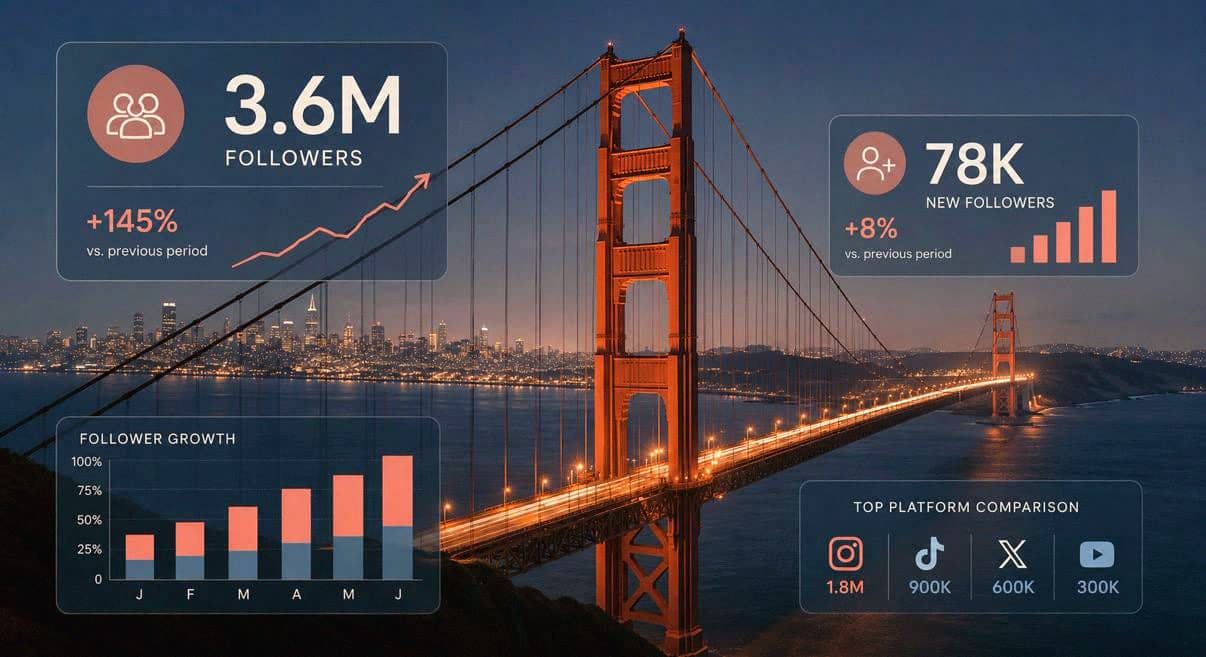
The booking math. According to a 48 Hills investigation into the city's nightlife, the people who decide who plays are leaning harder than ever on two numbers: a touring artist's draw, and a DJ's follower count. Peter Doukakis, who books Audio in SoMa, put a figure on it, estimating that 95 percent of the artists who play the room are touring acts. For a working local DJ, that is most of the calendar gone before the conversation starts.
None of this is villainy. It is survival. Only 36 percent of San Francisco's independent stages turned a profit in 2024, according to the National Independent Venue Association's State of Live report, and a touring headliner with a guaranteed audience is the safest bet a thin-margin venue can make. The problem is what the safe bet does to everyone below it. A scene that only books proven draws stops growing its own.
Where do the local DJs go?
Sideways, and smaller. Rather than fight for a fading number of club slots, residents and crews are building their own nights in the rooms that still take a chance: Public Works, plus the smaller bars and dancefloors like Bar Part Time, El Rio and The Knockout. It is a familiar survival move, the same one that has always kept underground scenes alive, but it comes with a cost. The mid-tier club gig, the rung between bedroom and headline, is the one disappearing, and that rung is where local talent used to learn to hold a real room.
A scene that only books proven draws eventually stops producing them.
Why does a San Francisco report matter elsewhere?
Because the logic is not local. Metrics-first booking, where a promoter checks an Instagram count before a track, is now the default from Berlin to Brooklyn, and the touring-headliner economy that drives it is global. San Francisco is simply far enough down the road to show the destination clearly: rising costs, risk-averse venues, and a booking culture that quietly outsources taste to a follower number. The cities watching their own residents get squeezed should read it as a weather report, not a postcard.