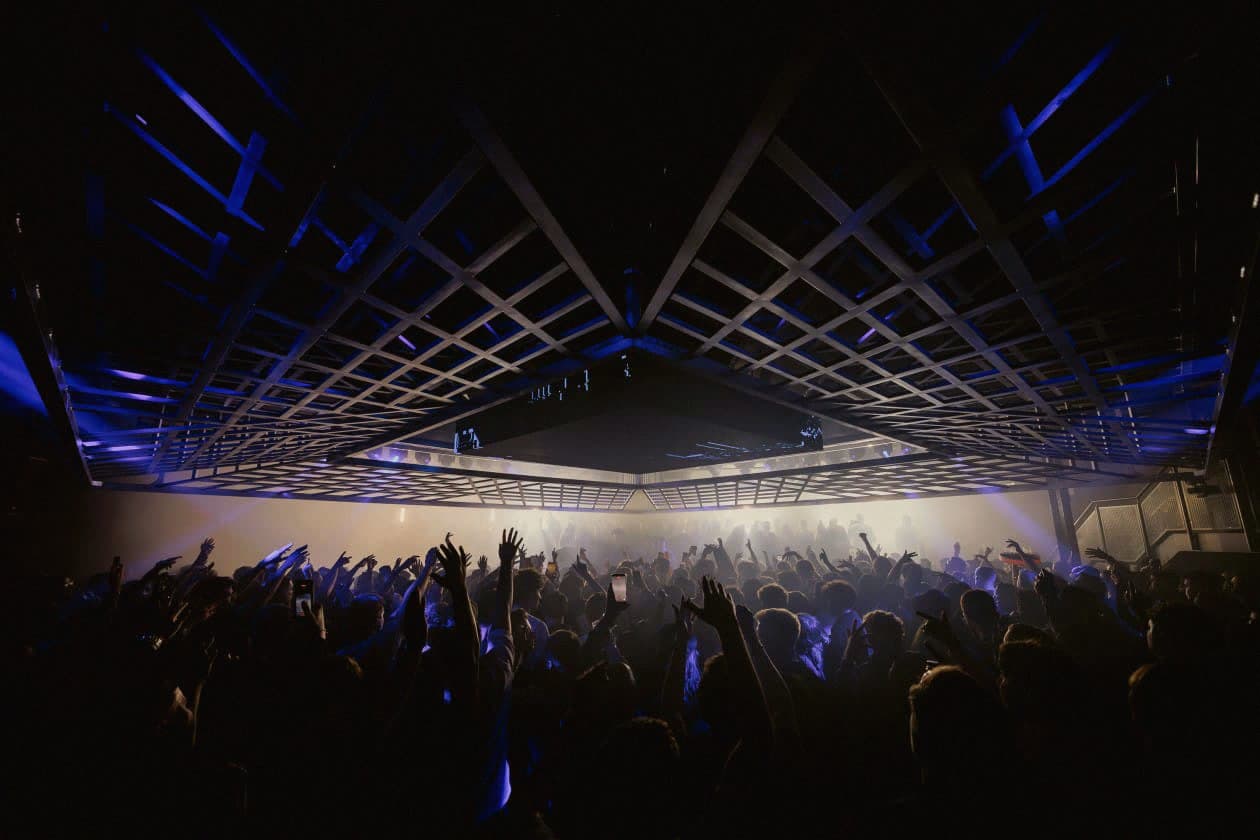
Satan's Hollow has been running club and live nights out of the same circular room on Manchester's Princess Street since 2000, and for most of that time the sound rig told the story of 25 years of patch jobs: speakers from different eras, different brands, pointed inward at a central stage that was never really designed for a dancefloor crowd to begin with. Every time a band loaded in, someone had to rig a separate live PA on top of whatever was already hanging, then strike it again for the next club night.
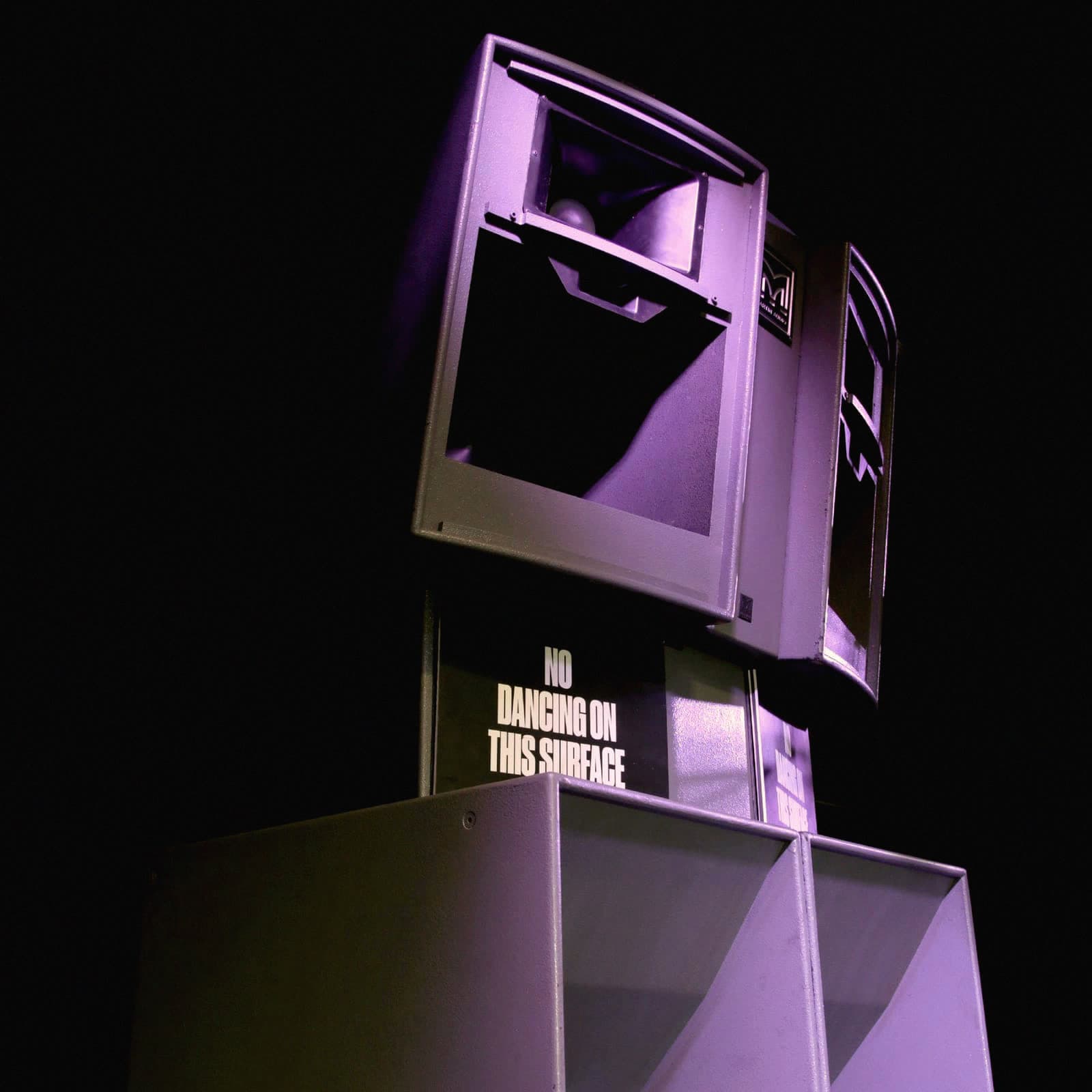
Integrator Neuron AV and distributor Penguin Media Solutions have just pulled that rig out entirely and replaced it with a Martin Audio BlacklineQ point-source system: two Q15s, eight Q12s and six Q10s flown around the room, backed by four dual-18-inch Q218 subs ground-stacked in pairs on wheeled dollies, all run through Martin Audio iKON amplification with the manufacturer's own DSP presets. Coverage for the venue's awkward circular geometry was modeled in Martin Audio's DISPLAY software before a single box went up.
What problem was this actually solving?
Not just tired gear. Satan's Hollow's real issue was a format conflict: a club PA wants even coverage pointed down at a packed floor, while a live PA wants a directional stereo image aimed at an audience facing a stage, plus front fill and a separate monitor path. Trying to do both with one semi-permanent rig, as the venue had been doing, meant one mode always suffered, or the crew rigged a second system from scratch for every gig.
Alex Morgan, the audio specialist who led the project for Neuron AV, frames the brief as refusing that trade-off: "BlacklineQ is equally good for club nights and live audio. My view is that speakers should just be good for everything." The actual design question, as he puts it, was "could we make live events easier to deliver, while creating a better club system at the same time?"
How does switching modes actually work?
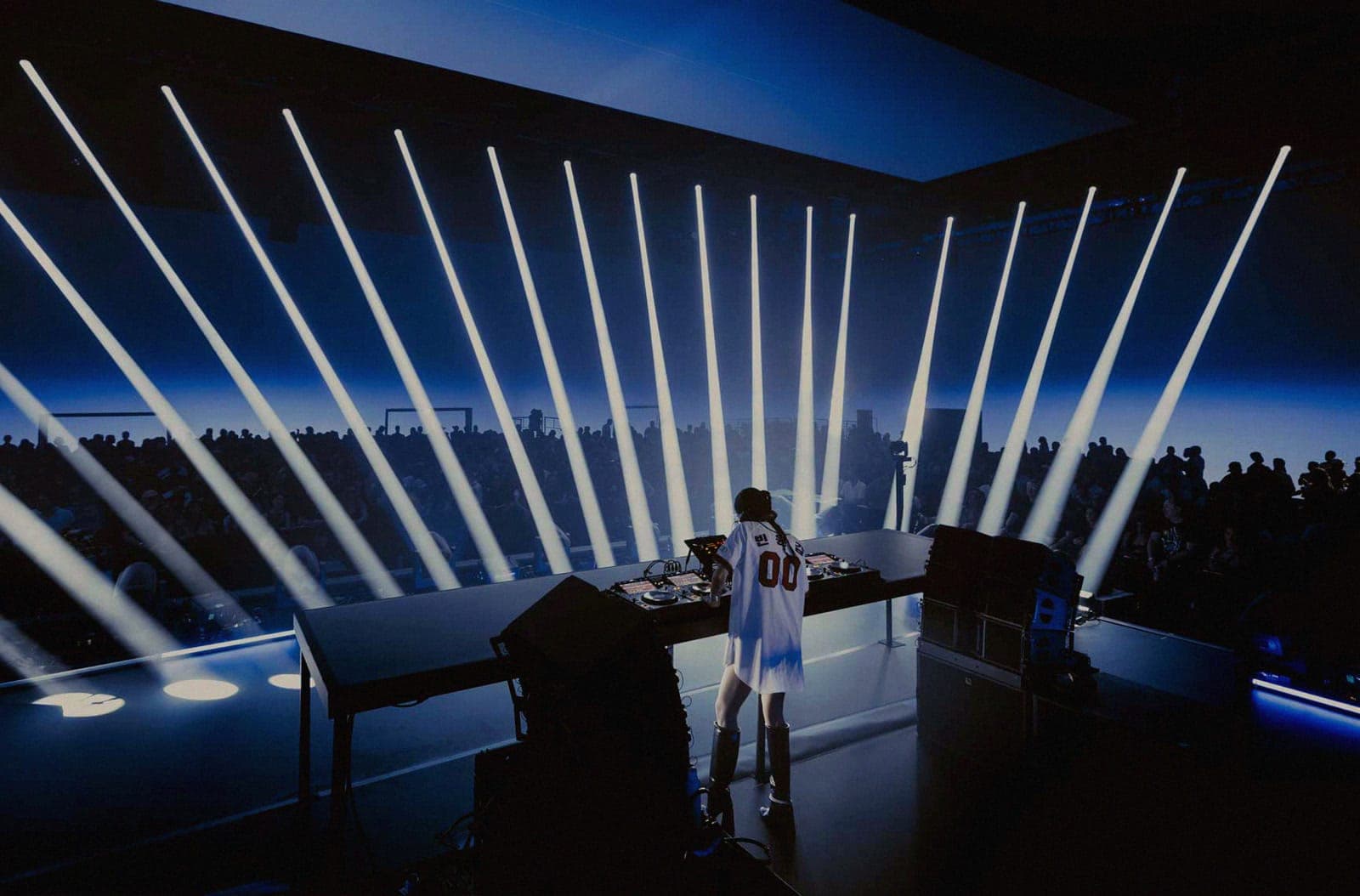
The trick is DSP, not hardware. The same flown Q-series boxes and the same subs stay in place; what changes is which preset the iKON amps are running. In "Club" mode, the former stage area becomes part of the dancefloor, covered by four of the Q10 cabinets, while the rest of the system blankets the circular room evenly. Switch to "Live" and the system reconfigures into a conventional left/right PA with subs and front fill, the layout a touring band's engineer would expect to walk into. For bigger live bookings, "Large Live" pushes the array into full 360-degree coverage radiating out from the central stage, so punters on every side of the room get the same show rather than just the ones facing the PA.
"Satan's Hollow now has incredible sound quality and a much easier to manage live mode thanks to the unique 360-degree Martin Audio BlacklineQ system design by Neuron AV. All corners of the Hollow sound incredible!" says general manager Dom Hirst.
That last point matters operationally more than it sounds: a venue that can flip formats on a preset, rather than a load-in, can book a live act on a Tuesday and a club night on the Wednesday without eating the labour cost of rigging and striking a second PA in between.
Why it matters
This is the pro-AV version of a problem plenty of mid-size, multi-format venues carry quietly: the PA gets built for whichever programming paid for it first, and the other use case gets whatever coverage is left over. A DSP-switchable point-source rig that was actually modeled against the room's geometry, rather than inherited piecemeal over 25 years, is a template other circular or in-the-round rooms running mixed club and live bills should be looking at.
What we think
The headline spec here isn't the box count, it's that Neuron AV modeled the room first and let the DSP do the format-switching instead of asking crew to do it by hand every night. That is the unglamorous, correct way to solve a venue's identity crisis between club and live, and it is also the part most installers skip because it is harder to sell than a bigger subwoofer.