Who Actually Invented MDMA?
The answer is more complicated than the folklore. Anton Kollisch, a chemist at Merck, synthesized MDMA in 1912 as part of research into blood-clotting agents. Merck patented it in 1914. No one tested it on a human being. It sat there, inert and forgotten, for the better part of sixty years.
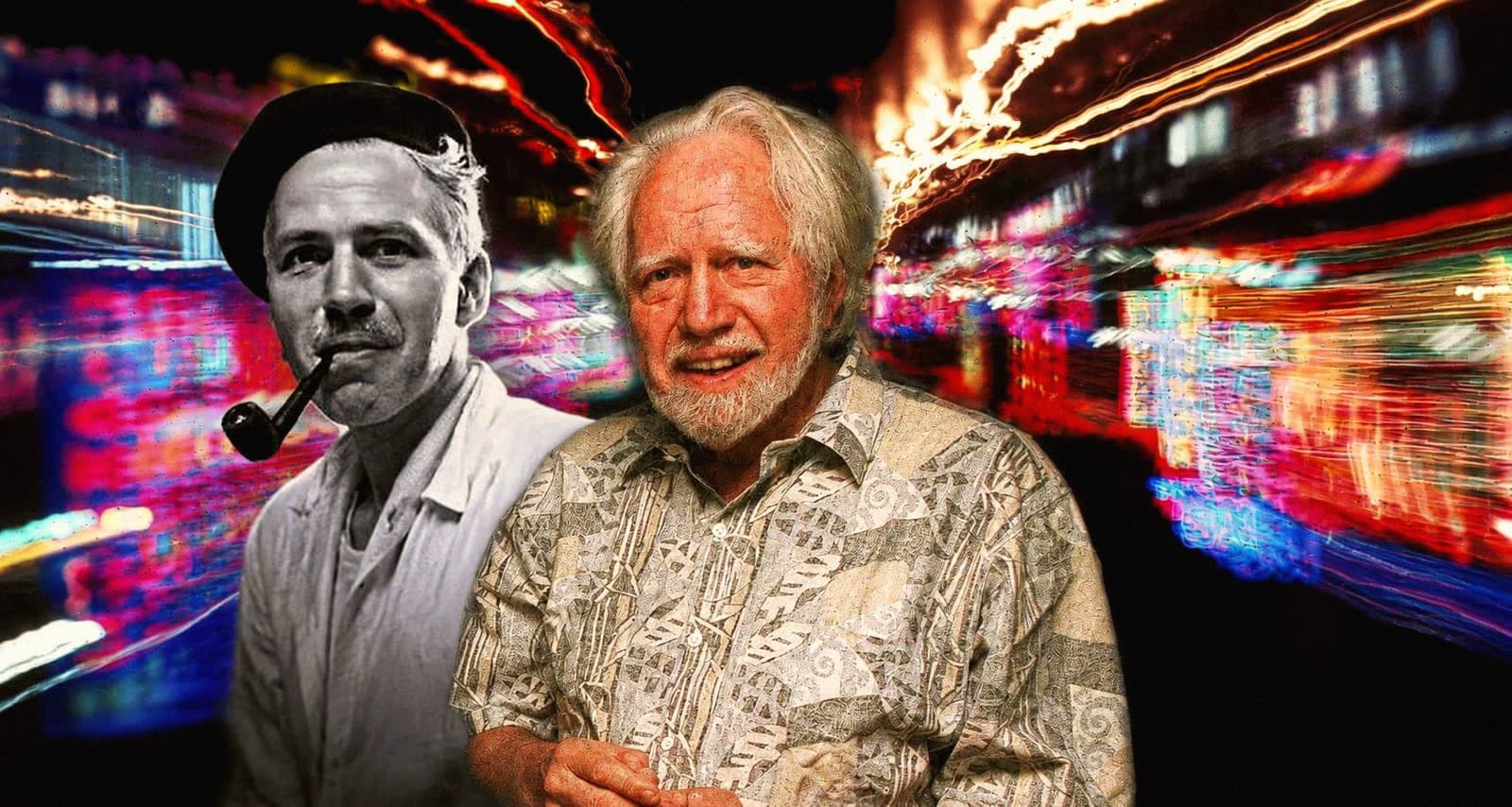
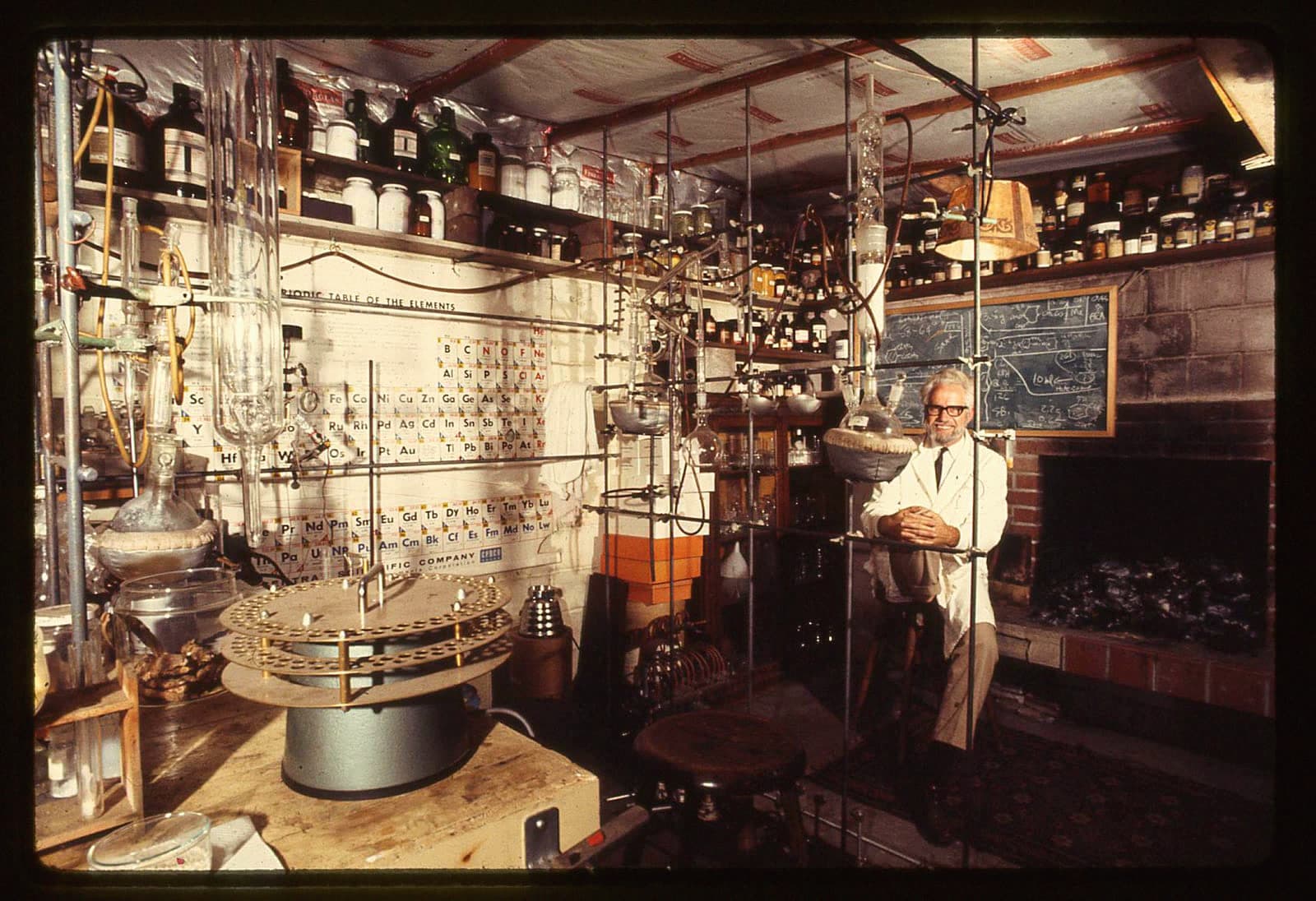
The story that matters for everything that followed starts in a home laboratory in Lafayette, California, in September 1976. Alexander "Sasha" Shulgin, an organic chemist who had already made a name for himself as a consultant to the DEA (the irony is not lost on anyone), resynthesized MDMA, self-administered it, and wrote down what it did. Not what it did to a rat, not what the molecular structure predicted. What it did to him, sitting in a backyard shed in the Bay Area. His notes documented a compound that produced radical empathy, emotional openness, and a dissolution of defensive ego structures without the disorientation of classical psychedelics. He called it one of the most important substances he had ever encountered.
What Happened When Therapists Got Hold of It?
Shulgin introduced MDMA to Leo Zeff in 1977. Zeff was a psychotherapist, already retired, and the compound pulled him back to practice. Over the following years, Zeff personally trained hundreds of therapists across North America and passed the substance on. By the early 1980s, estimates put the number of therapeutic doses administered across the continent at around 500,000. There were no randomized trials, no FDA oversight, no Phase 2 data. There was also no wave of reported disasters. Therapists using it described it as a tool for breaking through years of trauma in a single session, particularly with patients where conventional talk therapy had stalled.
In 1978, Shulgin and pharmacologist David Nichols published the first peer-reviewed pharmacological paper on MDMA. This was the molecule's first appearance in academic literature. It did not produce a policy response. It barely produced a press response. What it produced was a small, serious scientific record that would matter enormously a few decades later.
The DEA emergency-scheduled MDMA on May 28, 1985. It was the first time in American history that the agency had used emergency scheduling powers. The molecule went from therapy room to Schedule I in a single administrative action.
How Did the Government Move Against It?
On July 27, 1984, the DEA announced its intention to place MDMA in Schedule I. The announcement triggered a legal challenge. A DEA administrative law judge examined the evidence and recommended Schedule III, a classification that would have allowed continued medical use and research. The DEA overruled its own judge in 1986 and permanently placed MDMA in Schedule I. Harvard psychiatrist Lester Grinspoon sued the DEA the following year for ignoring established medical use. The suit went nowhere.
What happened next is exactly what you would expect when you force a substance with documented therapeutic utility underground: it migrated into recreational culture. By the late 1980s, MDMA was the engine of the British rave scene, then the American one, then every scene that followed. The DEA had not eliminated the molecule. It had separated it from its clinical context and handed it to a generation of clubbers.
In 1991, Shulgin and his wife Ann published PiHKAL (Phenethylamines I Have Known and Loved), which included synthesis procedures for MDMA and 178 other compounds. The DEA raided Shulgin's lab shortly after and revoked his Schedule I researcher's licence. The book went on to become the founding document of underground psychedelic chemistry.
What Has the FDA Actually Done Since?
Forty years after the emergency scheduling, MDMA-assisted therapy found its way back into regulatory consideration through MAPS, the Multidisciplinary Association for Psychedelic Studies, and later Lykos Therapeutics. Phase 2 trial data was striking: 54% of participants receiving full-dose MDMA no longer met diagnostic criteria for PTSD, compared to 23% in the control group. The FDA took notice. In August 2017, it granted MDMA-assisted therapy Breakthrough Therapy Designation for PTSD.
On August 9, 2024, the FDA issued a Complete Response Letter rejecting the application for approval and requesting an additional Phase 3 trial. The agency cited concerns about trial methodology and the ability to blind participants. MAPS and Lykos are still pursuing approval. In May 2026, a bipartisan group of 30 members of Congress sent a letter to the FDA urging it to reconsider.
This is where things stand at the 50th anniversary of Shulgin's first synthesis notes. The molecule that was documented in a California shed in 1976, banned in 1985, and handed a Breakthrough Therapy Designation in 2017, still cannot be prescribed to a PTSD patient in the United States in 2026.