What exactly is moving into Watergate's old room?
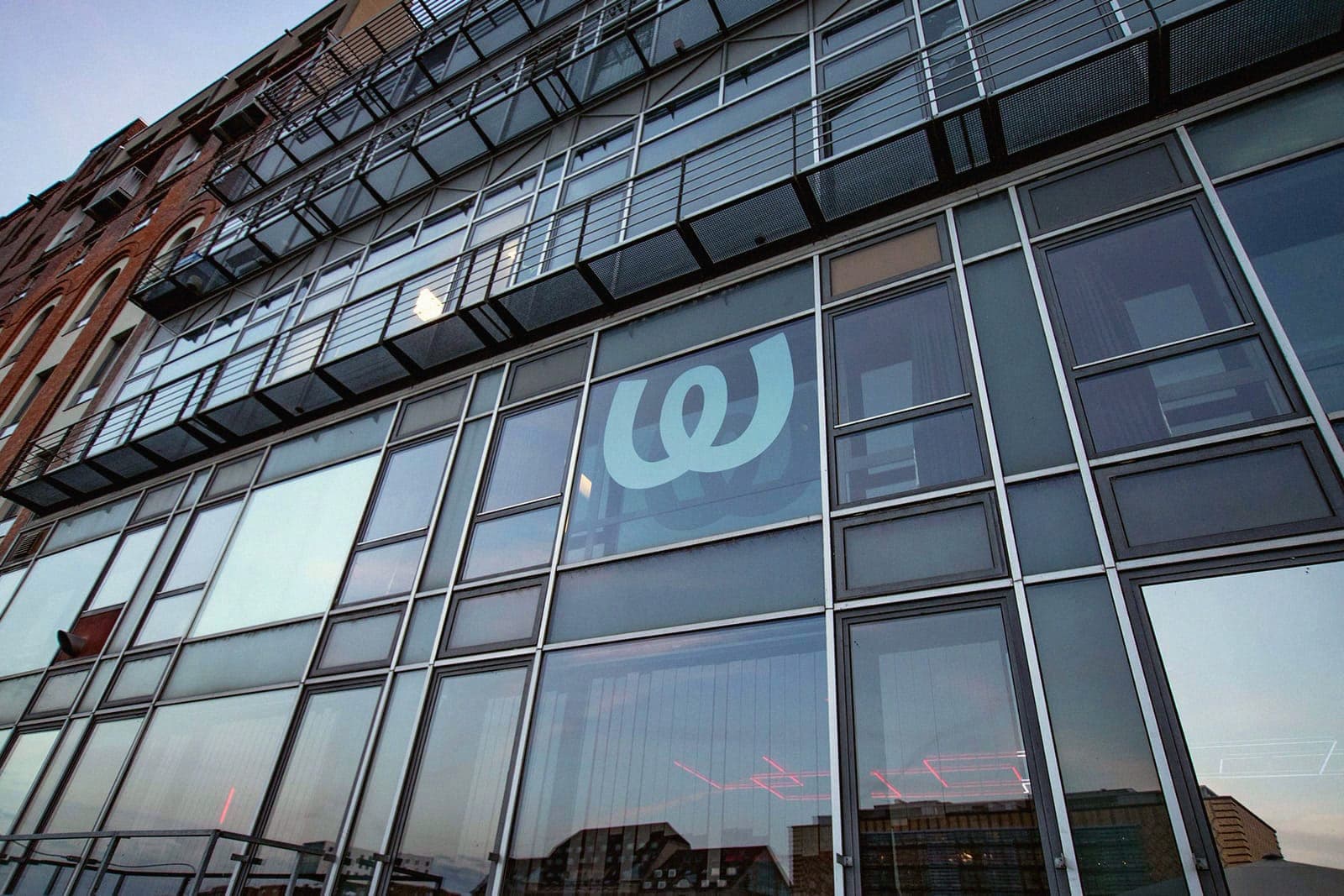
Silencio Paris is opening a pop-up in the exact building on Falckensteinstraße where Watergate ran its nights on the Spree for 22 years before closing in 2024. The seven-month residency runs October 30, 2026 to May 2027, timed to Silencio's own 15th anniversary. This isn't Silencio's first pop-up, it has previously set up temporary rooms in New York, Venice, Cannes and Miami, but none have taken over a room with Watergate's specific weight in techno history. Full programming for the run is still to be announced, but a pre-opening night on September 9 set the tone: Richie Hawtin and Ben Klock on the decks, BASHKKA and a live performance from Valentina Magaletti, staged the same night Maurizio Cattelan opened an exhibition across town. Founder Arnaud Frisch, who built the original Silencio in 2011 with David Lynch as creative partner, frames the Berlin chapter as more than a nostalgia lap: "Fifteen years is a good moment to celebrate what Silencio has become, and a better one to reinvent it."
Why is Berlin calling this the jet set moving in?
Watergate wasn't just any techno room. Over 22 years on Falckensteinstraße it built a reputation as one of Kreuzberg's defining clubs, and its closure in 2024 left a real gap on the Spree that nobody filled for close to two years. So when a Paris club known for a David Lynch pedigree, an art-world address book and a starry pop-up history in Cannes and Miami announced it was taking the lease, German press didn't reach for a welcome mat first. Berliner Zeitung's headline asked directly whether "the jet set" was now arriving on the Spree, tying the move to Silencio's links with Art Basel Paris and its Reference Festival. It's a fair question for a scene that watched Watergate close for financial reasons and spent two years wondering what, if anything, would replace it. Putting Richie Hawtin and Ben Klock, two DJs with real Berlin techno credibility, on the pre-opening bill reads like an answer to that skepticism as much as a party.
"Fifteen years is a good moment to celebrate what Silencio has become, and a better one to reinvent it."
Who's actually rebuilding the room?
The creative team isn't a random import either. Studio Karhard, the Berlin practice that designed Berghain's own interior, is part of the redesign alongside artist Marc Leschelier, lighting studio Studio Raito and visual-identity house Bureau Borsche. That's a deliberate signal: Silencio isn't papering over Watergate's shell with an imported Paris aesthetic, it's working with people who understand what a Berlin techno room needs. Frisch has said as much himself, noting Berlin's club scene demands "a space that has to be programmed accordingly," rather than a copy-paste of the Rue Montmartre original.