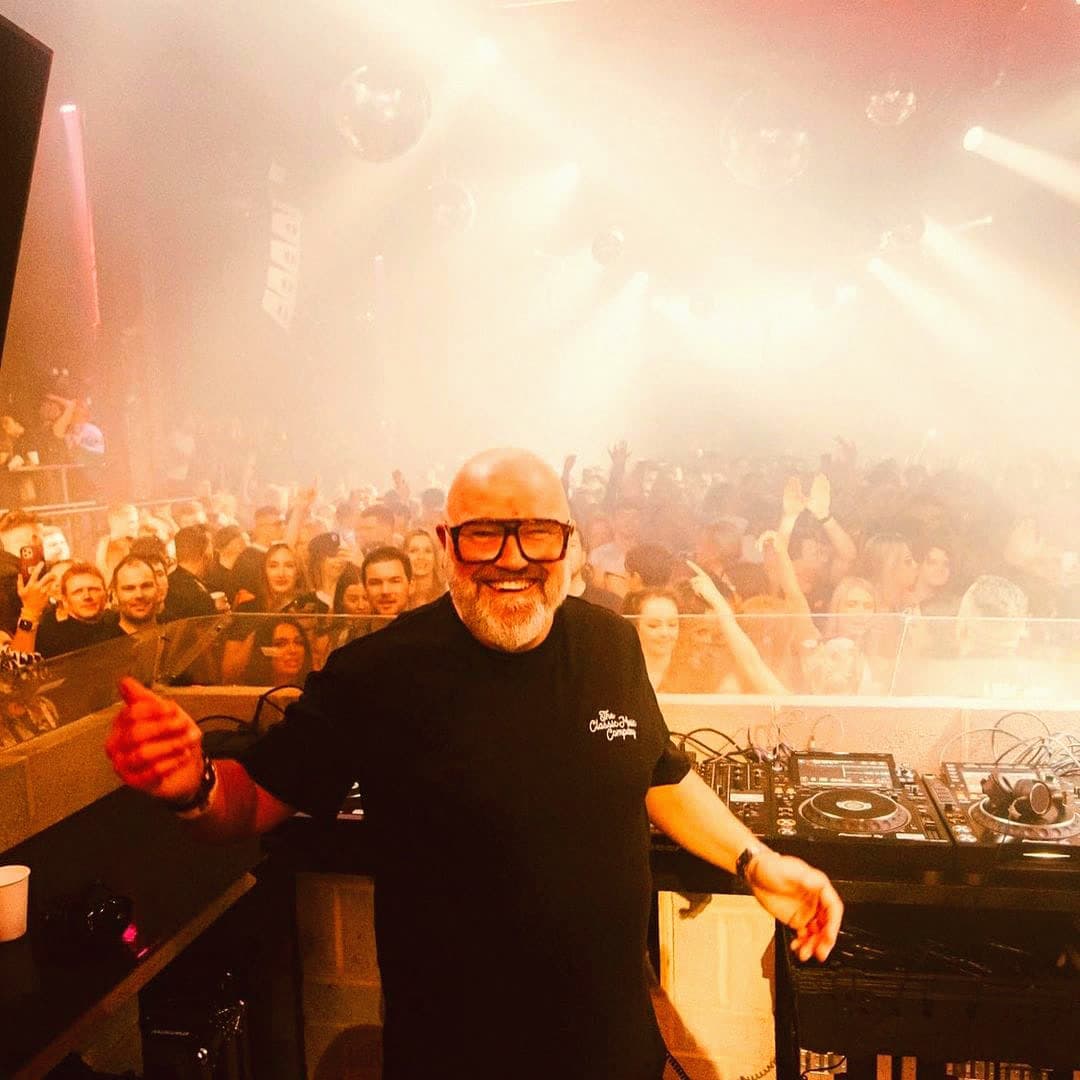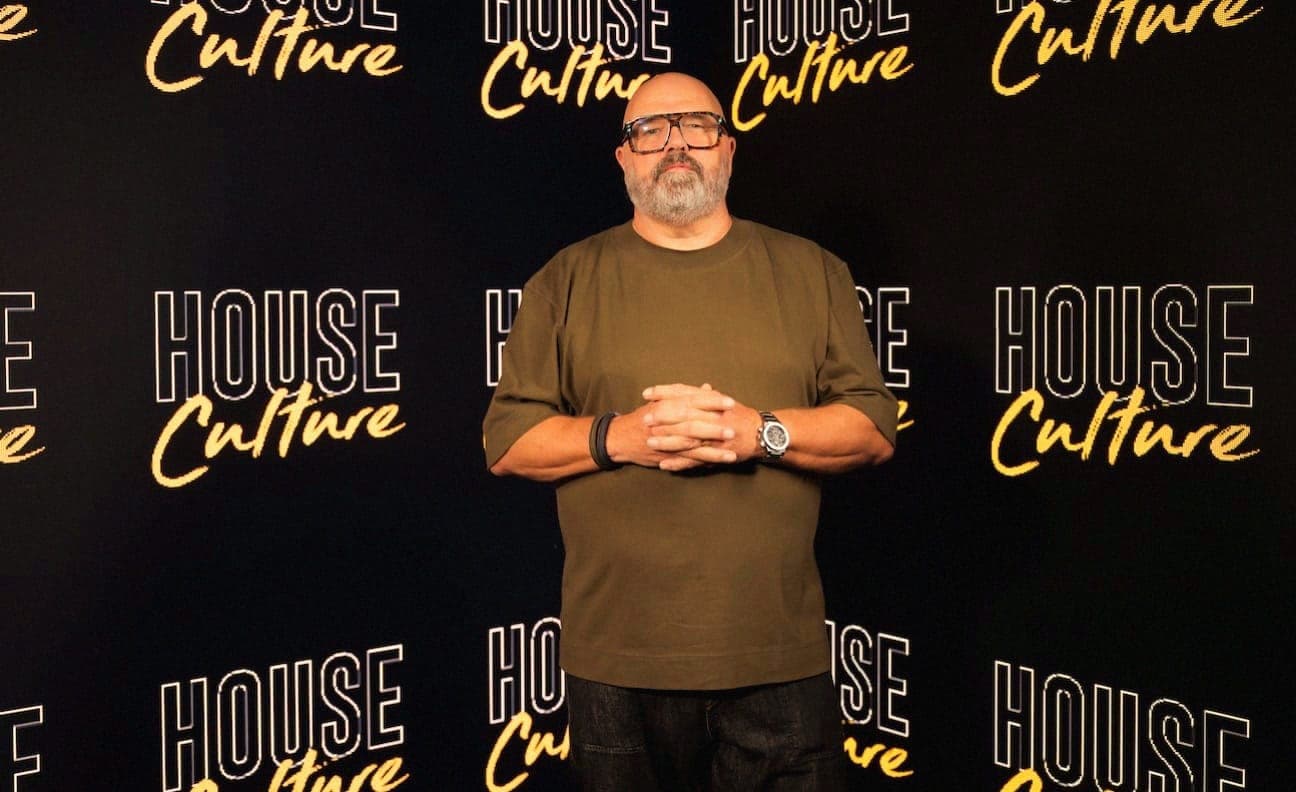
Simon Dunmore stepped back from Defected Records, the label he built into one of house music's most durable independent institutions, and handed control to former MD and CEO Wez Saunders. Retirement lasted long enough for him to start missing the work.
On October 21, 2026, Dunmore announced he has acquired a majority shareholding in House Culture, the media platform that started in 2012 as an Instagram account run by Stephen Hedge and Richard Clark after the pair met on a Shoreditch dancefloor. Twelve years and nearly 100,000 followers later, House Culture had grown into a podcast (launched in 2019 and fronted by Matt Rouse), a run of curated playlists, and a calendar of its own events, with guests over the years including Fatboy Slim, Danny Tenaglia and David Morales.
How does a label boss end up buying a fan podcast?
The route in was not a boardroom pitch, it was a guest booking. Dunmore first sat down with the House Culture Podcast in 2024, then kept coming back, eventually hosting a five-part takeover series of his own, including live recordings taped onstage in London.
"I was invited as a guest on the House Culture podcast at a time when I was coming to terms that perhaps I needed purpose in my life and that I was premature in my retirement," Dunmore said. "I was taken by their passion for house music and the engaged community that they had built in a short space of time."
"We feel that the pace of social media has resulted in many key traditions being left behind, certainly when it comes to music and artistry."
That line, also from Dunmore, is the clearest statement of what he thinks House Culture is actually for: a slower, more deliberate archive of a genre that mostly gets covered in 15-second clips.
What does Dunmore actually want to build?
Financial terms were not disclosed, and Dunmore joins Hedge and Clark rather than replacing them, alongside Rouse, Nick Gordon Brown and Steve Banks. The stated plan keeps the podcast and radio show as the editorial core while adding original features, video, a stronger YouTube presence, playlists, a newsletter, an archive of house history, and eventually live events and its own music releases, the same playbook Dunmore ran at Defected with Glitterbox.
Hedge and Clark's camp framed the appeal in plain terms: Dunmore "has an incredible amount of experience, but more importantly he understands the culture we love and what makes a music brand resonate with people."
Why buy in rather than invest from outside?
TTH spends a lot of column space on private equity circling club brands and festival groups, usually with good reason to worry about what happens to a scene once spreadsheets run it. This is a different shape of deal. It is a label founder with four decades of house credibility putting his own money behind a community-built brand he has already spent two years inside, not a fund buying distressed nightlife assets for yield. Whether that distinction holds once House Culture starts chasing growth is the thing worth watching.