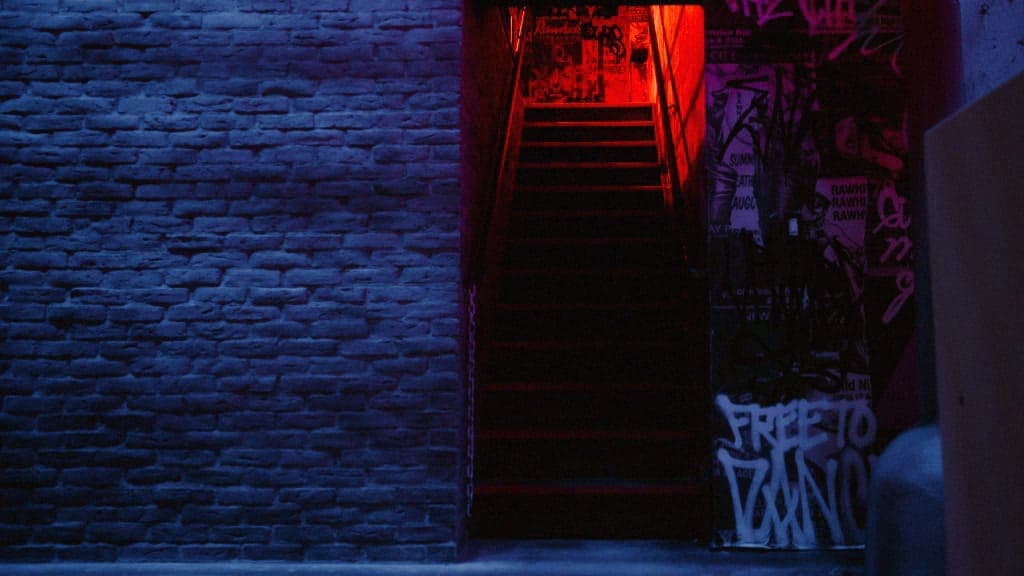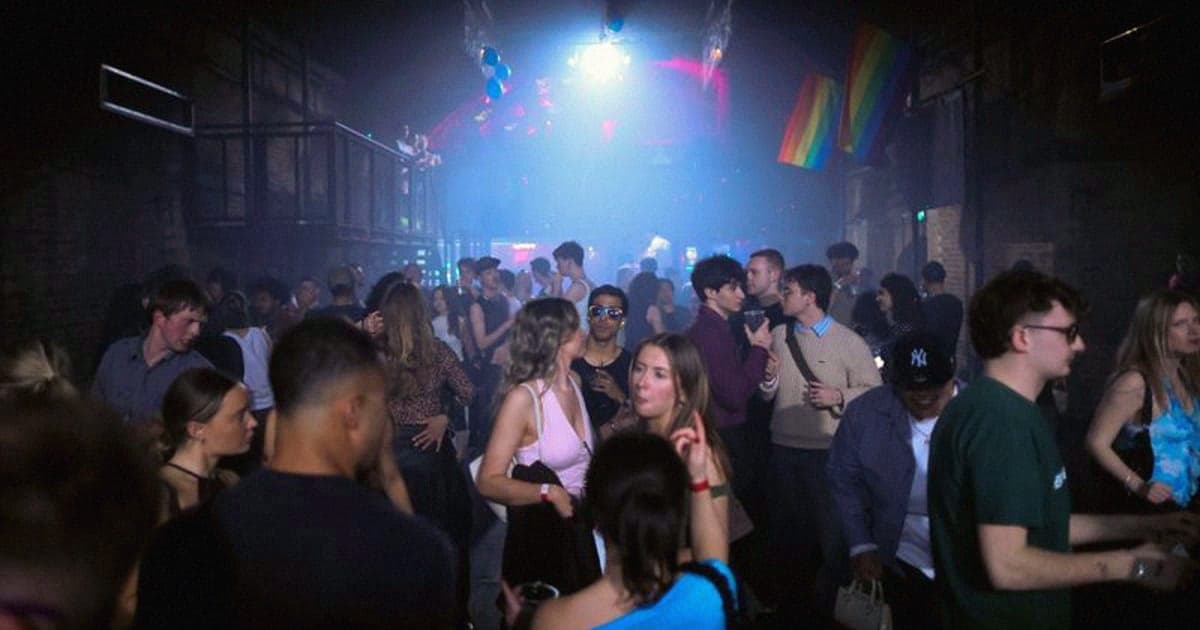
River North's Sound-Bar has survived recessions, a pandemic shutdown and two decades of Chicago nightlife turnover. What it hasn't survived is a real estate offer. The Leahy Building at Ontario and Franklin Streets, which has housed the club since 2003, changed hands on July 14, 2026 for $4.1 million, sold to Concord Capital, according to Nexus Radio. Sound-Bar is expected to close within about eight months, putting the likely last night somewhere around March 2027.
What's replacing it?
Not another venue. Concord Capital plans to convert the building into a 70-unit luxury residential complex, per Nexus Radio's reporting on the deal. The amenity list reads like every other new-build going up in the neighborhood right now: a fitness center, co-working space, a resident lounge, bicycle storage. Nine bars, four lounges and a 4,000-square-foot dance floor become a lobby with package lockers.
Why River North, why now?
The Chicago Sun-Times, which broke the sale on July 21, ties the Leahy Building deal to a wider pattern: nightlife real estate in River North converting to residential as land values and rents in the neighborhood keep climbing. Sound-Bar isn't an isolated casualty, it's a data point in a trend the paper says is already reshaping the strip. A club that once had to compete for talent and door numbers now has to compete with a developer's spreadsheet, and the spreadsheet wins because a 70-unit building throws off steadier income than a nightclub lease ever will.
Nine bars and a 4,000-square-foot dance floor become a lobby with package lockers.
What does Chicago lose?
Sound-Bar opened in 2003 and built a 23-year run as one of the city's dance and house anchors, part of a River North nightlife corridor that's been thinning out for years. Every closure like this removes a booking slot, a residency, a room touring house DJs actually route through. The building will still stand. What it did for Chicago's dancefloor culture won't transfer to the next tenant's co-working space.
Why it matters
Sound-Bar's closure is another marker of how thin the margin has gotten for legacy nightlife venues sitting on land developers now value more empty of a dancefloor than full of one, and River North's remaining clubs are on notice that the same math applies to them.
What we think
A venue doesn't need a scandal to die anymore, it just needs a building that's worth more as apartments. That's the quieter, harder story: no villain, just a spreadsheet, and Chicago's house scene loses a 23-year room to it.