What exactly is SouthSide Summer?
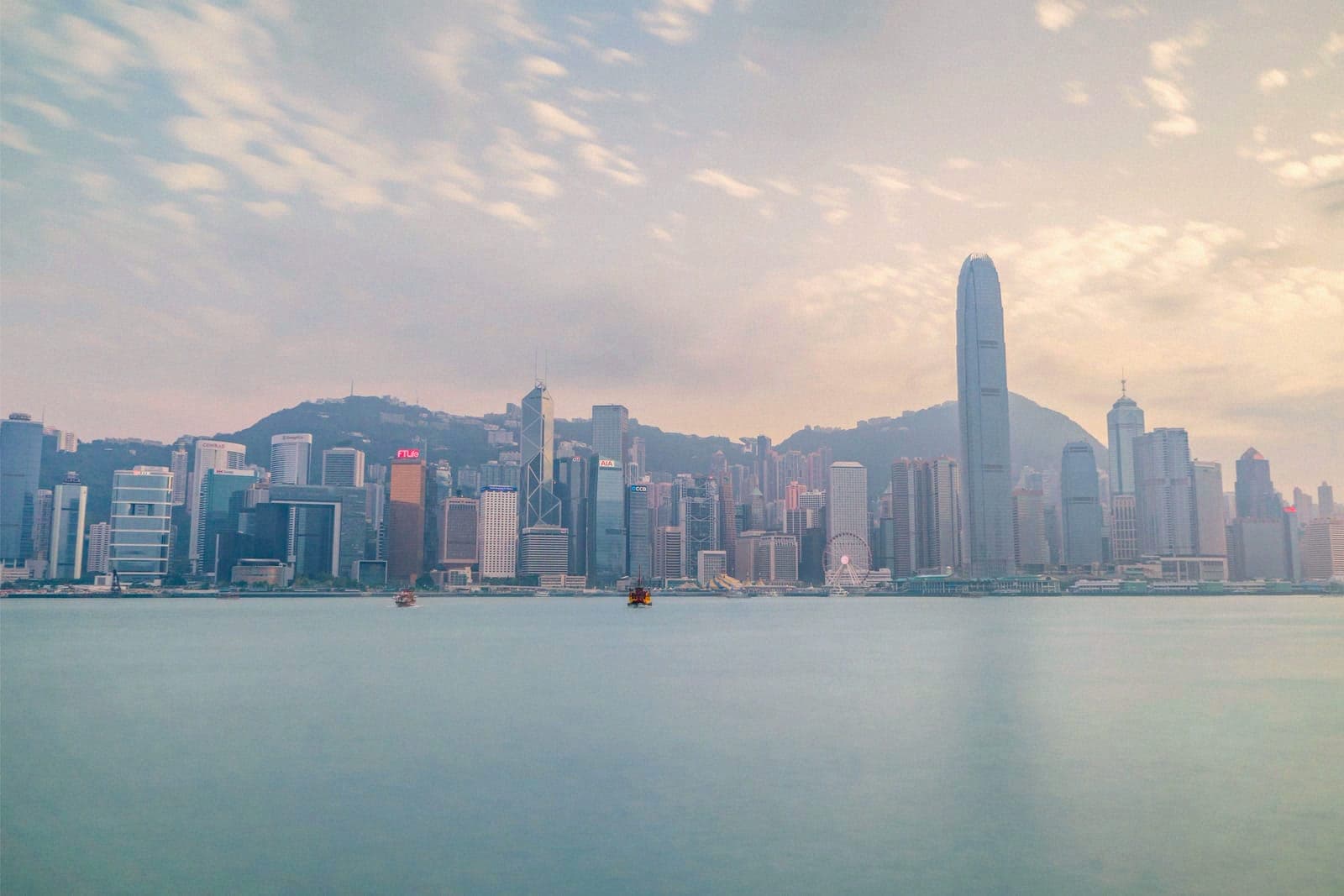
Four weekends, one district. From August 22 to September 13, 2026, UMAMI Events runs SouthSide Summer across Hong Kong's Southern District: Murray House and The Repulse Bay for the first two weekends, then The Pulse and The Repulse Bay for the final two. It's a joint production with Astro Entertainment Group and Carnaby Fair, and the music sits inside a bigger daytime program that also includes a chess-and-mahjong hall, pickleball courts and a pop-up marketplace.
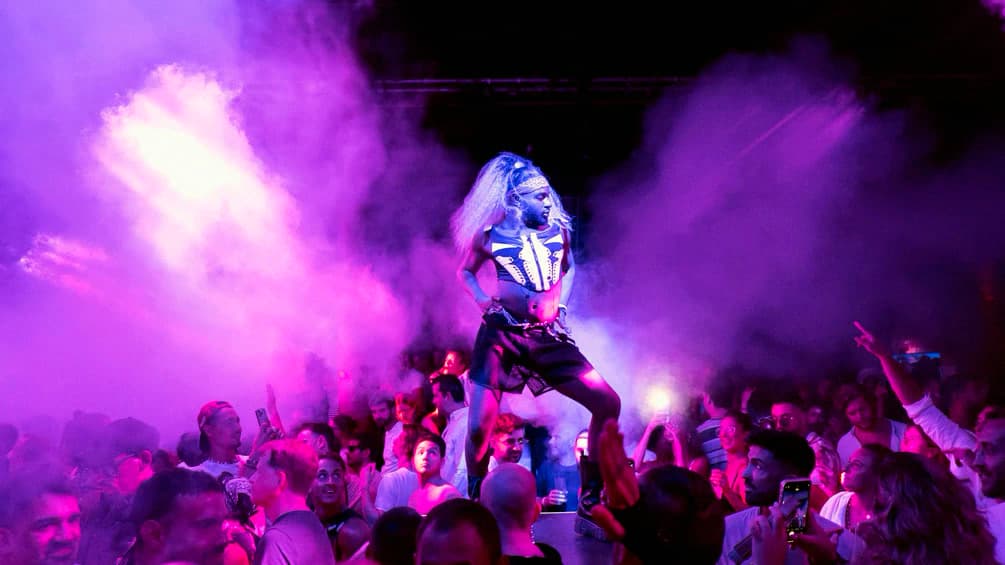
The dance floor core is a 17-DJ dayparty across two floors at Murray House, curated through three collectives: The Road to Shi Fu Miz, Afro Rave and Mosaik.
Why is Hong Kong pulling in Singapore, Indonesia and Thailand?
The Road to Shi Fu Miz hits its 10th anniversary this year. The collective grew out of Hong Kong agency FuFu Asia and the La Mamie's crew back in 2016, built on a house, disco and rare-groove diet. For this anniversary edition inside SouthSide Summer, its headliners come from Singapore, Indonesia and Thailand, wiring Hong Kong's dancefloors directly into neighboring Southeast Asian scenes instead of flying in a European or US name to headline.
That's the actual news. Southeast Asia's house and deep-tech scenes, from Bangkok's warehouse parties to Jakarta's afro house nights to Singapore's underground promoters, rarely get billed as a self-sufficient circuit; when they get covered at all, it's usually as a footnote to what happens in Ibiza or Berlin. SouthSide Summer flips that script: the region books itself.
"It's what we like to call a hometown holiday destination: a full daytrip escape without ever leaving city limits." - Olaf Hessing, Head of Marcom, UMAMI Events
Is the daytime, wellness format the real story?
Every weekend runs in daylight, not after midnight. Murray House's dayparty sits alongside sound baths, pilates and yoga; The Repulse Bay becomes a wellness hub with residencies from Ikigai, Hkore, Mini Sports and XYZ; the later weekends add a pickleball pop-up at The Pulse. None of this reads like a club night bolted onto a beach club. It's built as a full-day alternative to the region's usual late-night festival format.
That matters in a region where visas, licensing hours and venue costs make sprawling multi-day international festivals hard to sustain. A recurring, venue-based, daytime series is cheaper to run and easier to repeat across weekends than a single flagship event, and it keeps regional DJs and promoters in rotation instead of relying on one marquee booking a year to carry the whole calendar.
Sources
- SouthSide Summer takes over Hong Kong's Southern District for four weekends, Mixmag Asia, 2026-08-19
- Southside Summer event listing, Megatix