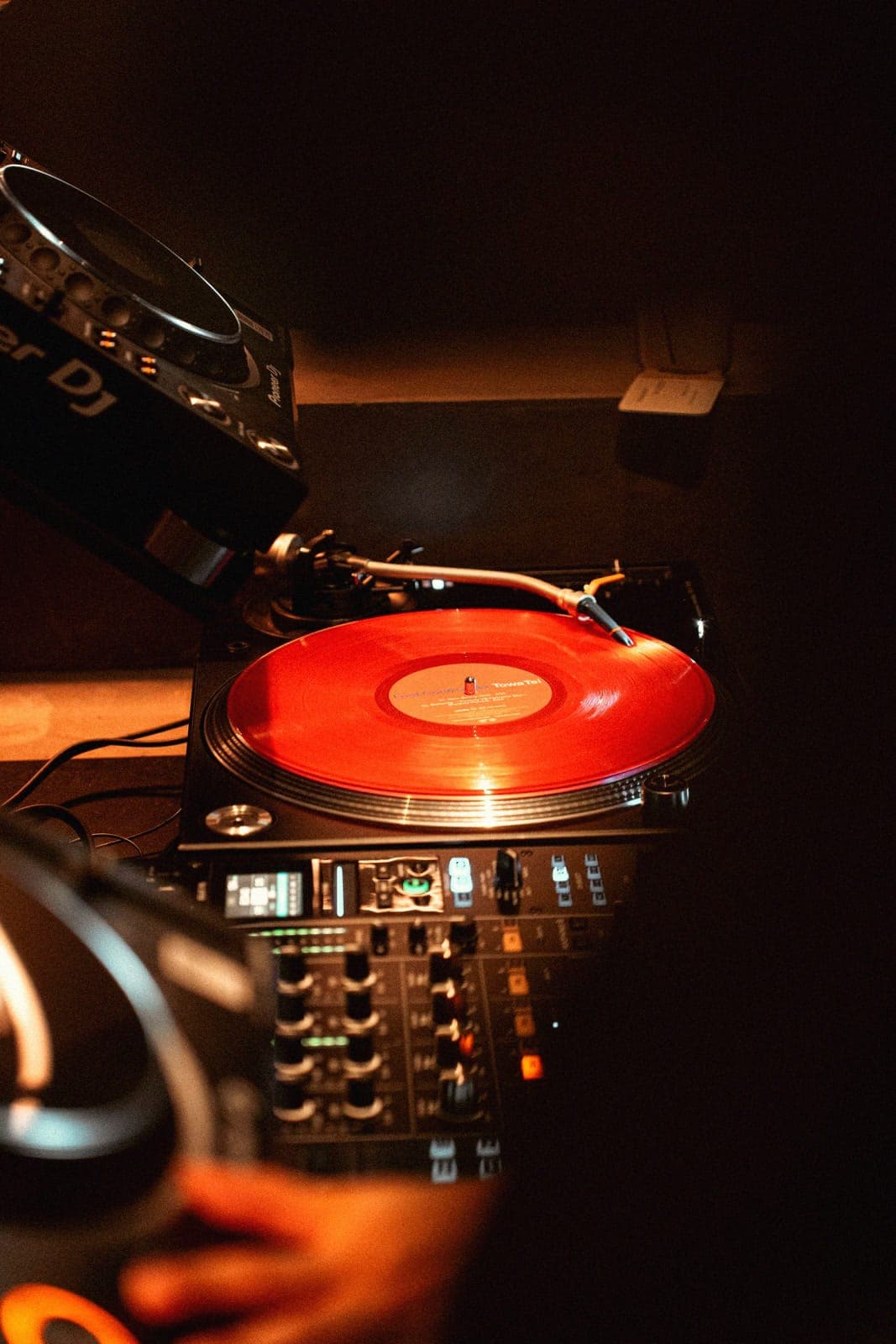
Spiritland has spent years building a case for sitting down and actually listening to a record on a serious system, no small talk required. On October 20, that case gets its biggest stage yet: a dedicated 100-seat room inside the Barbican Centre, one of London's most prominent public arts institutions, running through July 2027.
What exactly is opening, and when?
The new venue sits on the Barbican's Level 2, overlooking the building's lakeside terrace, and holds 100 people. Spiritland is handling the curation; hospitality comes from Lardo and Smoking Goat, the restaurant groups it has partnered with for food and drink. The daily programme spans jazz, soul, classical, ambient and electronic music, with DJs and record collectors playing alongside talks, tastings and full-album playback sessions, the kind of format where a record gets played start to finish and nobody talks over it.
Why does the soundsystem matter more than the lineup?
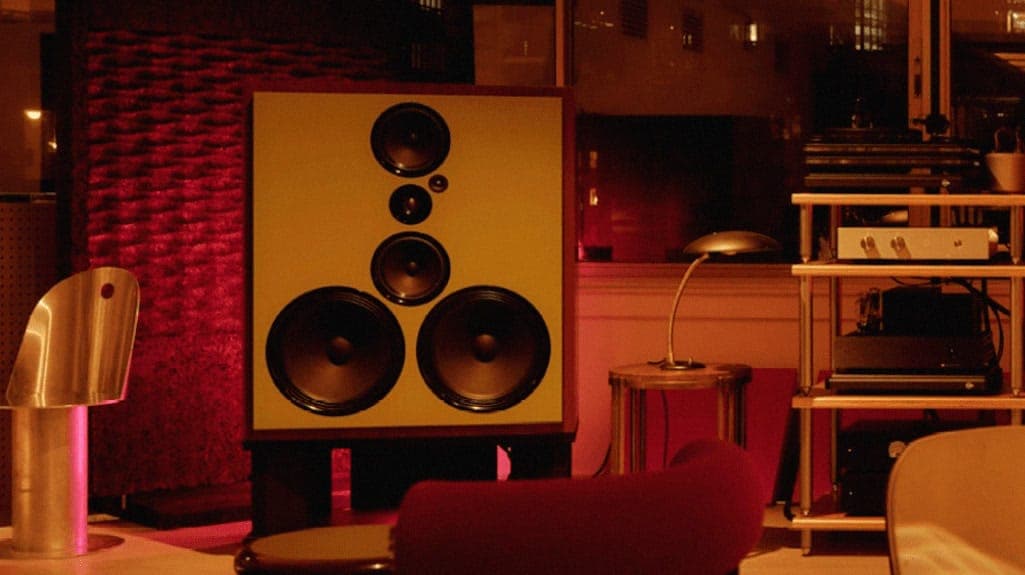
The room is built around a bespoke installation from Living Voice, the UK hi-fi specialist, centred on a pair of its R252 horn loudspeakers. Living Voice's Kevin Scott, who designed the system, put the intent plainly:
"The objective of this system is to present the artistry and eloquence of the musical performance."
That's the whole pitch of listening-bar culture in one line. The format traces back to Japan's kissa cafes, rooms built decades ago around a single serious soundsystem and a strict etiquette of quiet, focused listening. Spiritland imported that ethos to London years ago; putting it inside the Barbican is a different kind of statement, that the gear and the ritual deserve a stage usually reserved for orchestras and film seasons.
What does it mean for a venue like the Barbican to bet on this?
Electronic and ambient music mostly gets heard one of two ways in the UK: loud, in a club, built for a crowd moving together, or quietly, through headphones, built for one person tuning out everything else. A 100-seat room with a six-figure soundsystem and a daily jazz-to-electronica programme is neither. It's a third option, collective but deliberate, loud enough to matter but built for attention rather than release. A major cultural institution putting its name and its calendar behind that for nine months is a real bet that there's an audience for electronic and ambient music that wants neither a dancefloor nor isolation, just a good system and a room full of people willing to actually pay attention.
Why it matters
Listening bars have been a growing but mostly self-contained scene; a public institution the size of the Barbican hosting one, with daily programming through mid-2027, moves the format from a niche hobby into something closer to a recognised cultural offering, and gives ambient and electronic acts a serious, non-club stage to be heard on properly.
What we think
This is the clearest sign yet that the appetite for deliberate, hi-fi listening isn't a side hustle for a handful of record obsessives, it's a format institutions will now actively build programming around. The real test isn't the opening week, it's whether the Barbican's regular arts crowd shows up for a Tuesday ambient session the same way they'd show up for a film screening.