What did Spotify actually build?
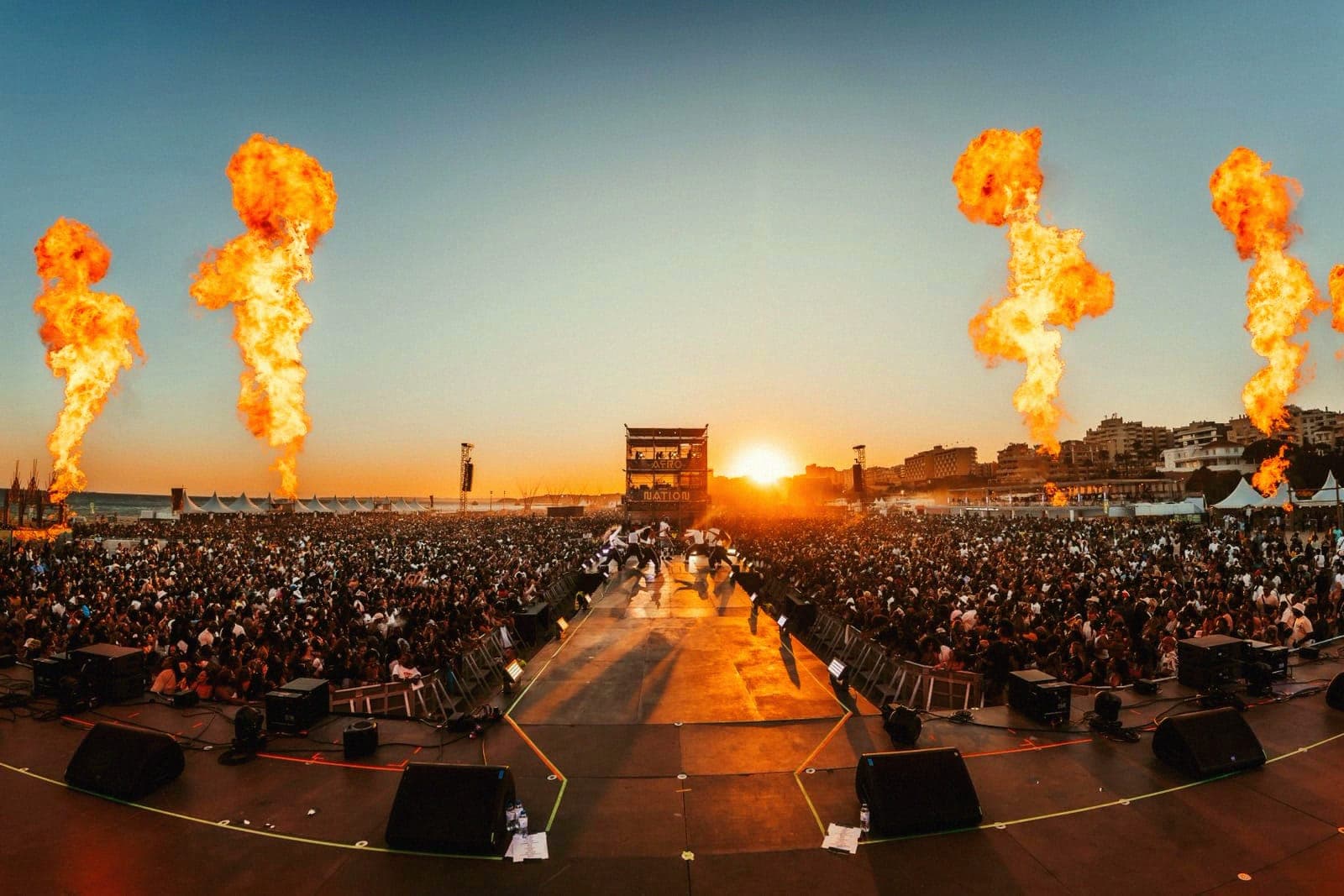
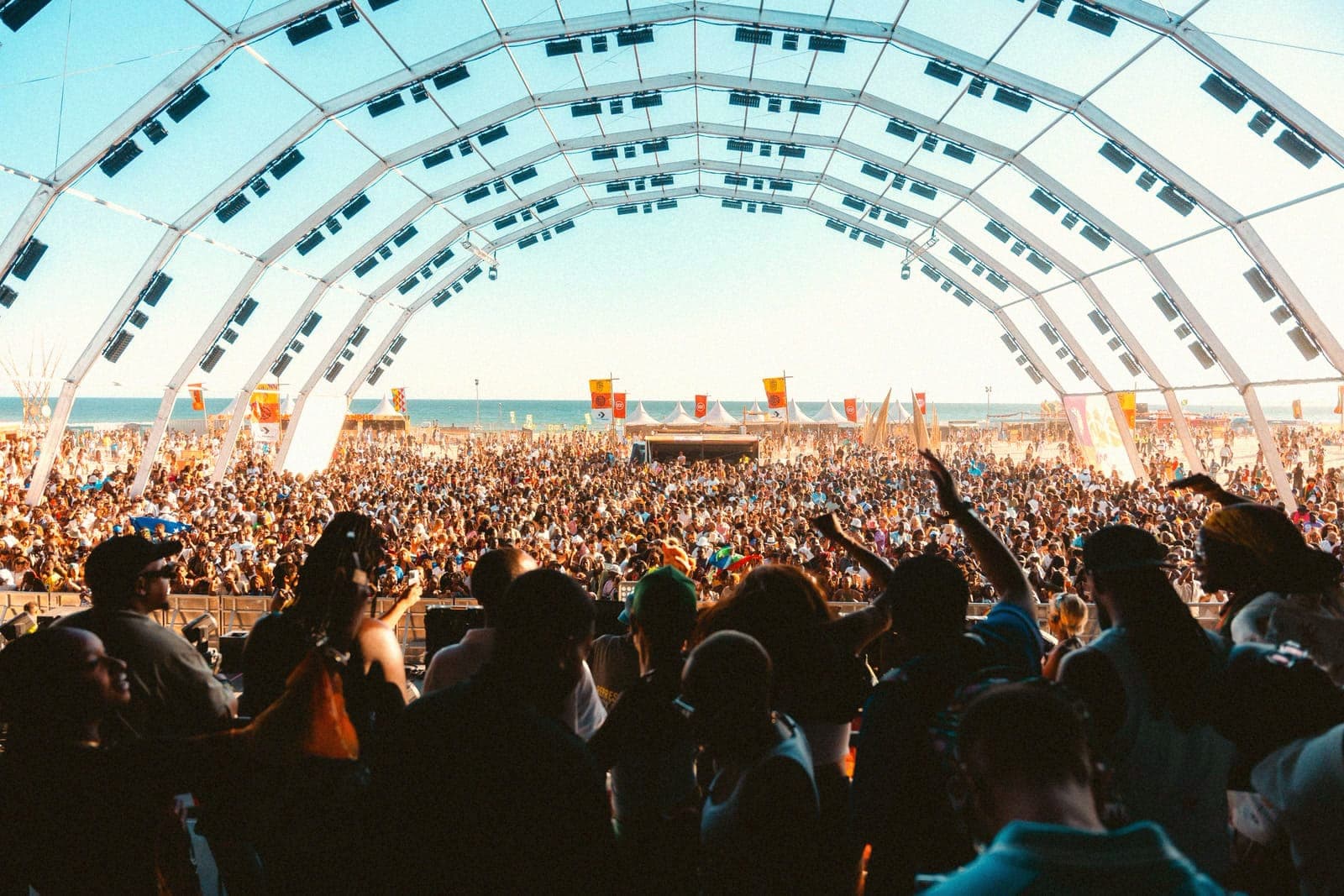
Afro Nation Portugal 2026 ran July 3 to 5 on Praia da Rocha in Portimão, and for the first time Spotify was not just a logo on the sponsor wall. It was the exclusive streaming partner, and it used the run to open a permanent destination inside its own app under the Afro Nation name: official playlists, tools built to surface artists on the bill, curated performance videos filmed at the festival, and a fan-storytelling campaign that follows one ticket-holder's trip to Portugal. None of it was a live broadcast. The festival itself stayed a ticketed, in-person event; what Spotify built is what stays online long after the tents come down.
"Afronation is more than a festival, it's a global expression of African music, fan culture and creative influence," said Rifumo Mdaka, Spotify's Content Marketing Manager for Sub-Saharan Africa. That is the pitch: not a one-weekend takeover, but a hub that keeps generating streams, saves and shares off a single festival's name for months after the crowd has gone home.
Why amapiano and Afro house, not just afrobeats?
Afro Nation built its name on afrobeats headliners, and Portugal 2026 was no exception: Burna Boy, Wizkid, Asake and Tyla topped the bill. But the festival also runs the Piano People Stage, its dedicated amapiano and Afro house corner, headlined this year by Uncle Waffles, Kelvin Momo, Madumane and Focalistic. Spotify's destination page pulls performance content and playlists from across the bill, not just the main stage, which is the detail that matters for the house side of the story: an amapiano DJ set at Piano People now has the same permanent shelf inside the app as a Burna Boy headline slot.
Clémence Blum, Director of Global Partnerships at The Malachite Group, which runs Afro Nation, put the same idea from the promoter's side: "It reflects the shared role we both play in discovery, helping artists reach new audiences." Discovery is the word both sides keep reaching for, and it is doing a lot of work.
Who actually benefits, the artists or the platform?
Read charitably, this is real infrastructure for artists who don't have a major label's marketing budget behind them: an amapiano producer booked on Piano People gets pulled into the same discovery surface as a Wizkid, for free, off the strength of one festival slot. That is not nothing in a genre where most of the money still comes from touring, not streaming.
Read less charitably, Spotify is doing what every platform does when it signs an exclusive festival deal: converting a weekend of goodwill into a permanent piece of app real estate that it owns, controls and can route ad and playlist inventory through indefinitely, while the artists on it get a discovery boost they can't take with them if the deal changes. Afro Nation gets promotion and a marketing partner with global reach. Spotify gets a branded destination, first-party engagement data on exactly which African-diaspora electronic acts its users respond to, and a template it can now sell to the next festival. Both things are true at once, and which one dominates depends entirely on whether Spotify keeps paying artists and rightsholders fairly for the streams this destination is designed to generate, a question this partnership announcement does not answer.