What does Spotify's own report actually claim?
Spotify picked its moment. On October 20, the platform published a self-authored progress report called "Prioritizing Human Artistry," claiming it pulled more than 50 million AI-generated "slop and spam" tracks out of its recommendation algorithms during 2026, and removed over 75 million spammy tracks from the platform outright. The company also says it now flags thousands of accounts as "AI Personas" and gives artists the power to reject a release that credits them as the artist without their say.
Spotify's own framing leans on its data to make the case: it says listeners have been skipping, ignoring, or actively flagging the tracks it eventually pulled, and that AI-profile pages have seen double-digit monthly listener falloff since December 2025. The timing is not accidental. Deezer rolled out an AI-content toggle this year, Tidal stopped paying out on fully-AI tracks over the summer, and Sony and Universal are separately suing DistroKid over how AI tracks get disclosed. Every major player in streaming is racing to look like the one taking AI seriously.
What the report does not include is a single quote from an artist. Not one musician, manager, or union representative appears anywhere in Spotify's own account of its cleanup. For a platform whose entire pitch is that it protects human artists, that absence says as much as the numbers.
Why are Chicago musicians walking out on two platforms at once?
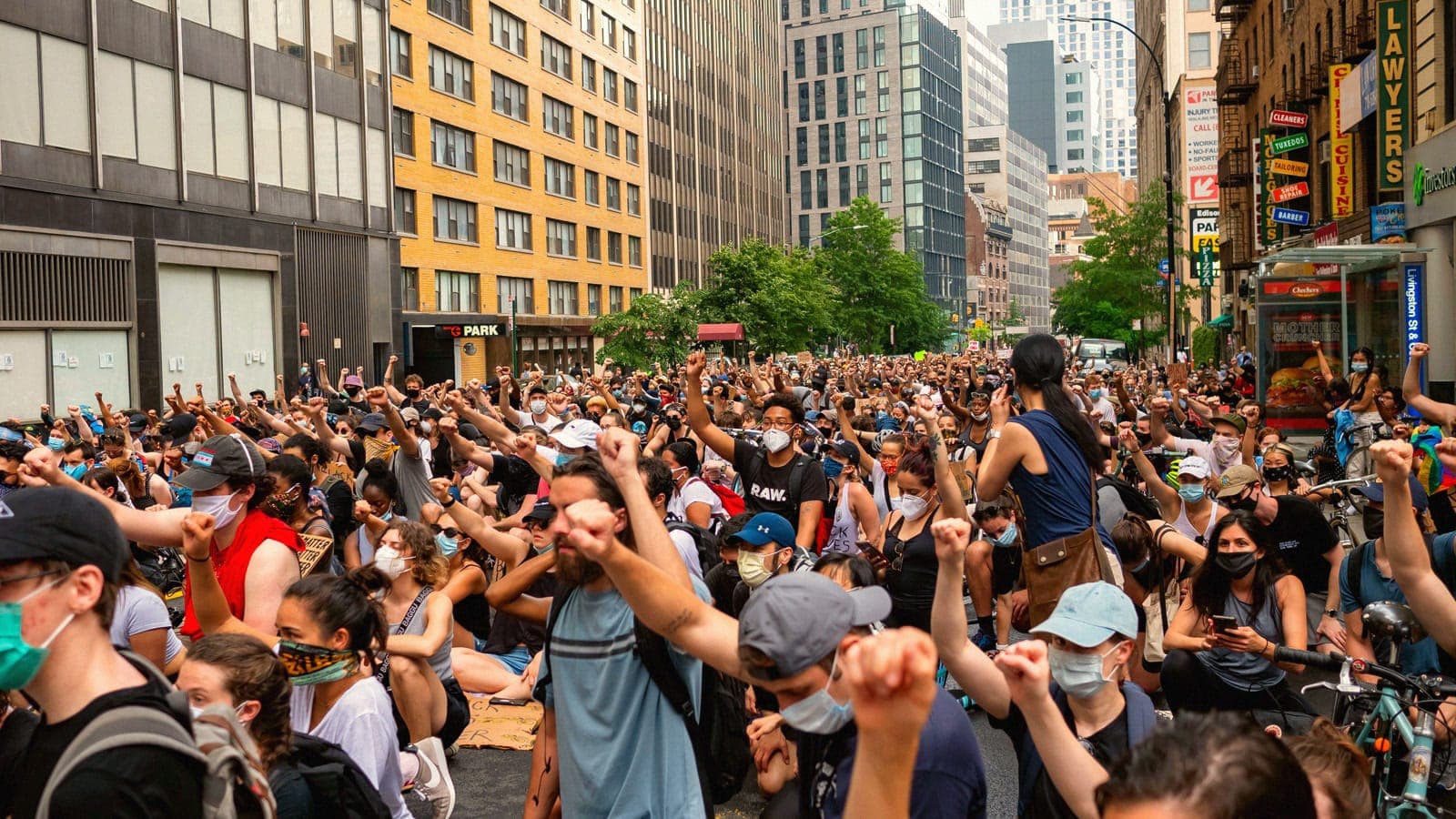
Nineteen days before Spotify's report landed, about 20 musicians stood in the rain outside Chicago's Federal Center, chanting "Pause AI!" in black shirts reading "Human Music Only." The October 1 rally followed a September 22 open letter, organized by Mykele Deville's fellow Chicago musicians Sam Cantor of Minor Moon and Austin Koenigstein of Smushie, that drew 70 to 80 signatures calling out Spotify's payout structure and its handling of unlabeled AI tracks.
"You get fractions of a percentage of a penny if you get it."
That is rapper Mykele Deville describing what streaming actually pays, and why he pulled his own album off Spotify. Singer Melody Angel put the demand in policy terms: a clear line between "fake music" and "real music," and the choice to pick one.
The coalition's next move lands October 26 and 27: a coordinated blackout asking listeners to avoid both Spotify and Apple Music for two days. It is a notably bigger ask than previous streaming boycotts, which have mostly targeted Spotify alone over Daniel Ek's defense-tech investments. This time the target is the AI pipeline itself, and it spans two platforms at once.
Is Spotify's cleanup actually working, or just good timing?
Time To House covered this fight back in June, when Spotify's spam purge was catching human artists in the same net as AI acts that kept streaming unflagged. Five months later, the numbers Spotify is citing are bigger, but the complaint from musicians has not moved: labeling is still reactive, payouts are still fractions of a cent, and the burden of proving a track is AI-made still falls on the artist, not the platform.
None of that makes Spotify's removal numbers fake. A platform the size of Spotify genuinely pulling 50 million recommendation entries and 75 million spam tracks is not nothing. But publishing a victory lap the same week your own user base is organizing a two-platform blackout is a tell: the report is talking to regulators and the press, not to the musicians it claims to be protecting.