Where does your subscription actually go?
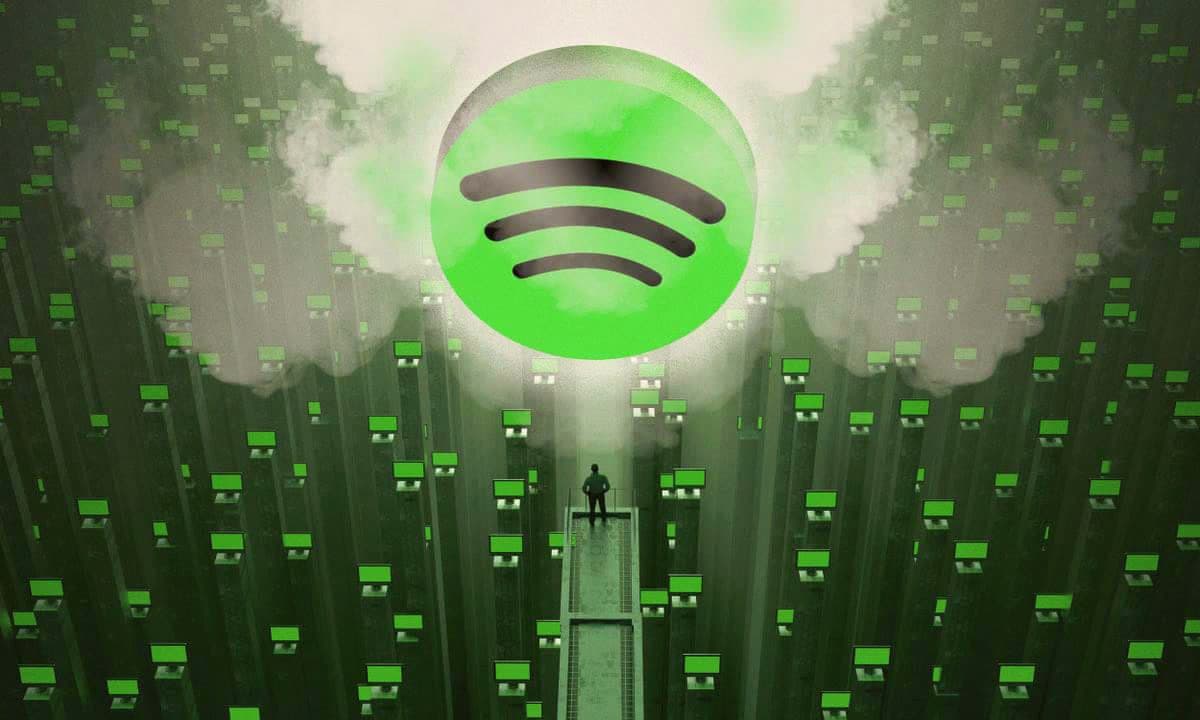
When you pay Spotify each month, that money does not follow your ears. Spotify drops every subscription and every advertising dollar into one big monthly pot, keeps its share (the platform retains roughly 30 percent before the rest goes to rights-holders), then divides what remains by each rights-holder's slice of total streams across the entire service. This is the pro-rata model. Stream one underground producer on repeat for thirty days and it changes almost nothing: your fee is averaged into the global pool, and the lion's share flows to whoever racked up the most plays that month, the chart-topping majors. You are not funding the artist you love, you are topping up the leaderboard.
"Streaming an independent artist, given how little they earn, comes close to pirating their music." Liz Pelly's argument, restated by Mediapart.
What is the user-centric model, and why is it stuck?
There is an alternative, variously called user-centric or fan-powered: your subscription is split only among the artists you personally played. Listen to nothing but a Lagos house label all month and your whole fee goes to them. Deezer and France's Centre national de la musique have run the numbers, and the studies consistently show money shifting away from the mega-hits and toward mid-tier and niche artists. That redistribution is exactly why it stalls. The major labels, whose catalogues dominate the pro-rata pool, have little reason to back a switch that would cost them, and any change runs through them.
What are ghost artists and Discovery Mode?
In Mood Machine, Pelly documents two practices the scene had long whispered about. The first she calls Perfect Fit Content: cheaply commissioned library tracks, released under obscure or invented artist names, slotted into the platform's biggest lean-back playlists (deep focus, peaceful piano, ambient chill) where listeners rarely check who made the music. Filling those slots with low-cost content trims the royalties Spotify pays out. The second is Discovery Mode, where an artist or label accepts a reduced royalty in return for an algorithmic push into recommendations and radio. The Future of Music Coalition and the Recording Academy have called it a modern form of payola, pay to be heard.