What did Stone Techno actually build?
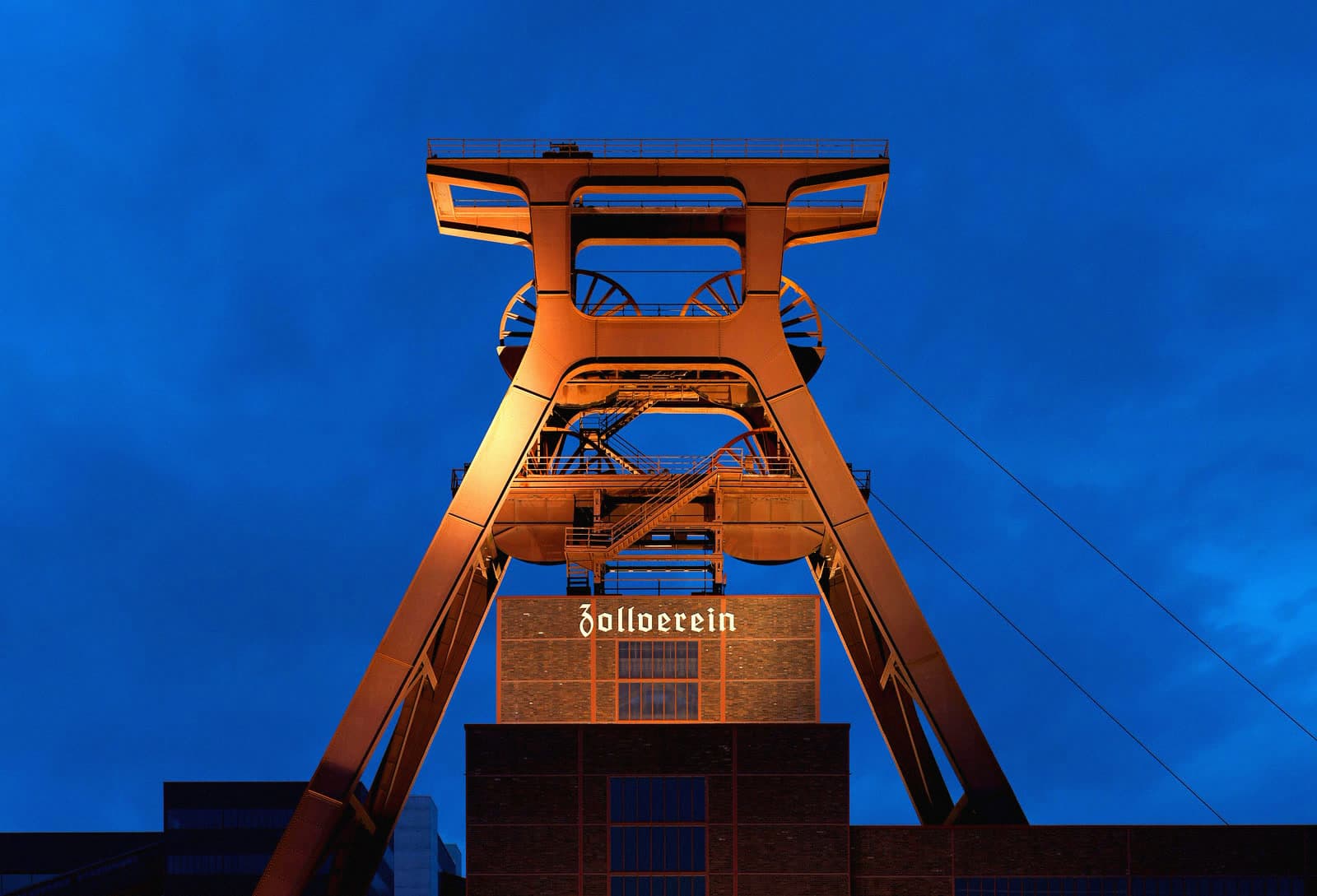
Stone Techno Festival returned to the UNESCO World Heritage Zeche Zollverein site in Essen, Germany, from July 10 to 12, curated as always by the German label The Third Room. The festival's calling card has always been its setting: over 100 artists across four stages built into a former coal mine, all steel walkways and coking towers. This year it added a fifth.
The Listening Floor sits inside the Kokerei, the site's old coking plant, and it's built as a circular amphitheatre rather than a dancefloor: rows of seating around a central point, sound designed to be heard rather than felt through the floor, and its own wine bar instead of a beer tent. Sixteen artists played there exclusively, a bill that reads closer to a listening-room label showcase than a techno lineup: Berlin composer Grand River, Kangding Ray, upsammy, Barker, Legowelt, Vladimir Ivkovic, Colin Benders, Nadia Struiwigh, Andrey Pushkarev, Ahmet Sisman, Emily Jeanne, Carrier, Tauceti, Tikiman & Richard Akingbehin and the .VRIL and Rødhåd project Out of Place Artefacts. None of them are booked to peak a room at 3am.
Why build a room where nothing drops?
Felix Fleer, who curates the festival for The Third Room, is blunt about what the Listening Floor is not. "It's simply music that is experienced in a different way," he says, insisting the stage will not be "an afterthought or just an ambient chill-out area." His reference point is Montreal's MUTEK, not a festival lounge: a programme built around electronic music that never has to justify itself against a kick drum.
"It's really about removing some of the functional restrictions or criteria that we usually associate with electronic dance music," Fleer says. "I think having a space for just 'electronic music' in general is a worthy endeavour."
Fleer's read on the timing is specific. He thinks the scene spent the early post-pandemic years chasing "immediate intensity," peak-time sets built for maximum impact after years of enforced silence, and that appetite has since been "largely fulfilled." What he senses now, he says, is "a growing openness and hunger for nuance and depth in electronic music."
Evolution or comfort-seeking?
That reading cuts both ways. Techno's whole social contract has run through the body: the pulse, the four-to-the-floor kick, the dancefloor as the place where the music actually happens. A seated amphitheatre with a wine list, inside a festival otherwise built around 135 to 150 BPM peak-time sets, is a real break from that contract, not a variation on it. Read generously, it's techno culture finally making room for the ambient and experimental margins that were always part of the scene's DNA, Basic Channel's dub techno, Detroit's more cerebral wing, but rarely got a main stage at a festival this size. Read skeptically, it looks like festivals noticing their audience is aging, that a wine bar sells differently than an energy drink, and that "deep listening" is a comfortable rebrand for a crowd that would rather sit down.
Both readings can be true at once, and Stone Techno's curation makes the generous one harder to dismiss: this isn't a chillout tent with a DJ playing downtempo edits, it's Kangding Ray and Barker, artists whose own catalogues already live outside the dancefloor. Whether other festivals copy the format, or water it down into a marketing line, is the real test.