For months, the boycott of KKR-owned festivals was a story about headlines: open letters, pulled sets, over 300 artists refusing to play Superstruct's stages over the firm's reported ties to Israeli military-linked investments. Now there's a number attached to it, and it's a big one.
Superstruct Entertainment's newly filed annual accounts show losses widening from 77.6 million euros to 111.3 million euros in the latest financial year. That's not a rounding error. Cost of sales climbed 15 percent to 619.7 million euros, and administrative costs jumped more than 50 percent. IQ Magazine, reporting on the filing, draws a direct line from those ballooning costs to the boycott. The Telegraph, in a separate report picked up by LSE.co.uk, goes further: Superstruct had to raise an extra 109 million euros in debt just to get through the year to December 2025, taking its total borrowings to 392.5 million euros. Same verdict from Fleet Street: a string of pro-Palestine boycotts is named as a driver of the climb.
Why would a boycott show up in the accounts like this?
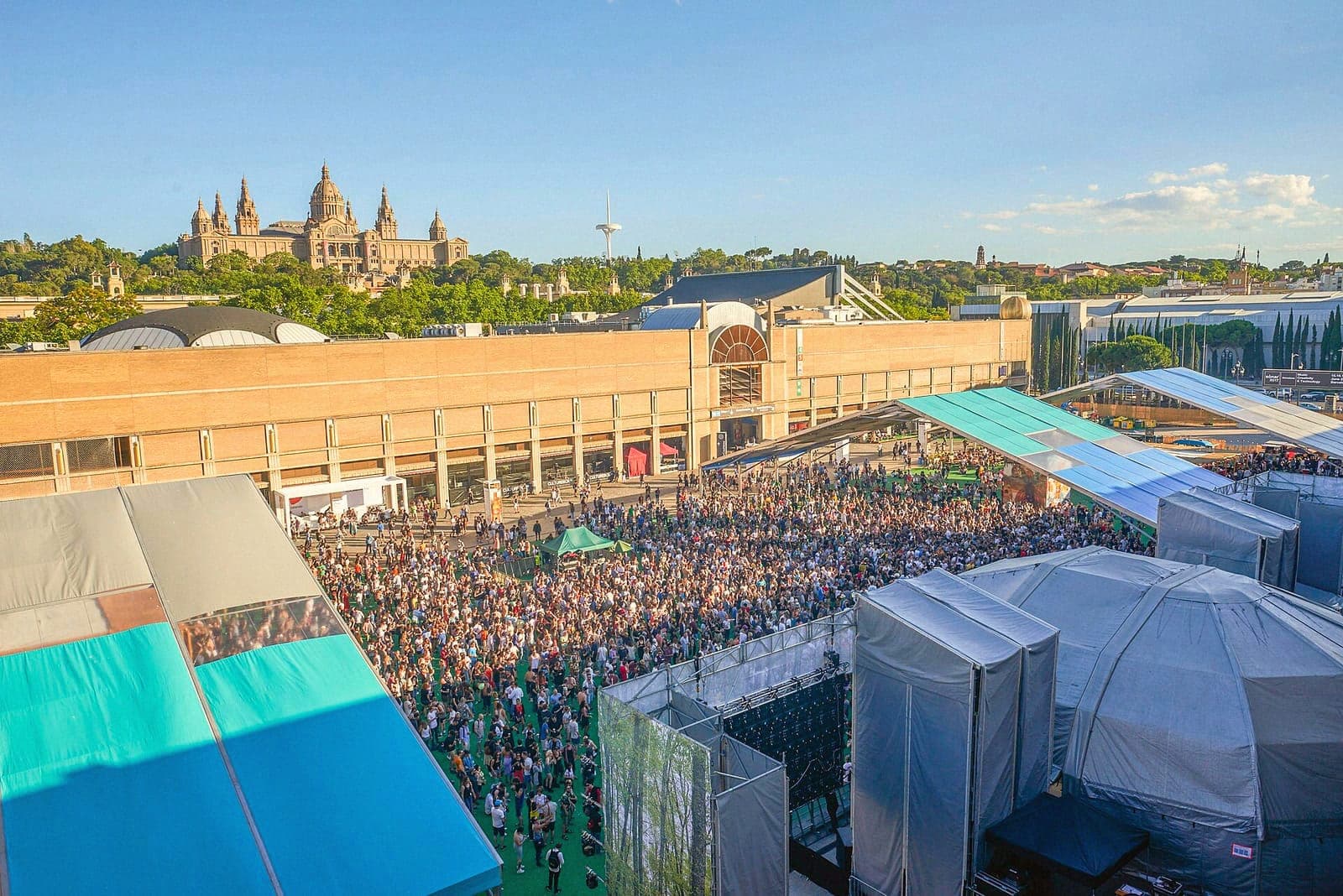
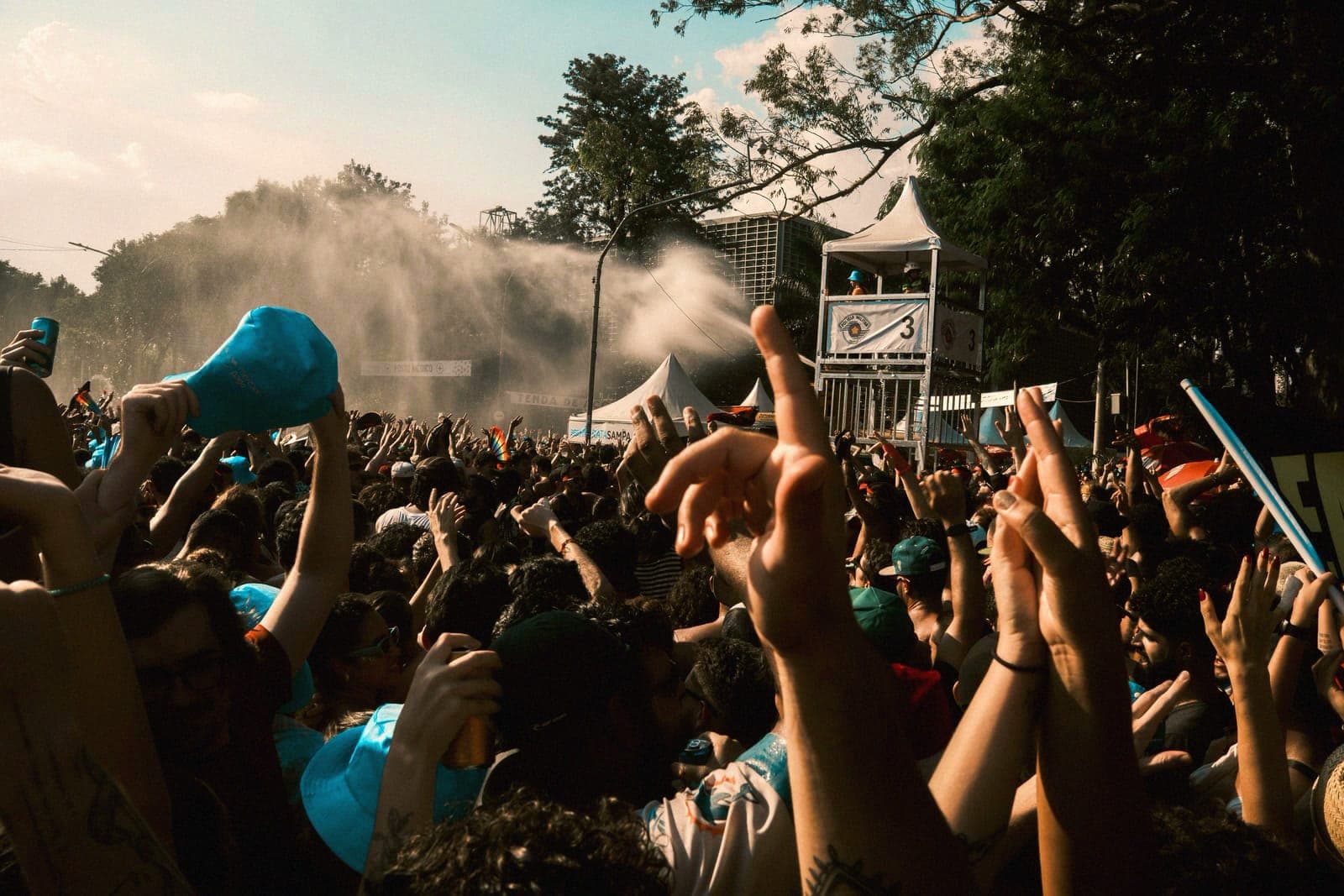
Festivals run on fixed costs that don't care about politics: stages, security, insurance, artist fees already contracted months out. When a headliner pulls out late, or an agency quietly steers acts away from a KKR-owned booking, the promoter either eats a cancellation cost, pays more to rebook a replacement fast, or watches ticket sales soften because the lineup got weaker. Multiply that across Superstruct's 80-plus festivals in 10 countries, from Sziget to Wacken to Parookaville, and you get exactly the kind of cost inflation the filing shows: sales costs up, admin costs up even faster.
Both outlets covering the filing independently draw the same causal line: the losses track the boycott, not just a soft touring year.
What does this mean for KKR's bet?
KKR paid around 1.3 billion euros for Superstruct in 2024, alongside CVC, betting that European festivals were a steady, recession-resistant cash machine. A private equity firm can absorb a widening loss for a year or two without panicking. What it can't easily absorb is a reputational problem that keeps compounding, because every new round of accounts becomes fresh ammunition for the campaign. The artists and agents boycotting KKR now have exactly what every protest movement wants and rarely gets this fast: hard financial proof their pressure is landing on the balance sheet, not just on social media.
Why it matters
Music industry boycotts are usually long, grinding, and hard to measure. This is the first time filed accounts, not activist claims, have put a concrete euro figure on the cost of standing against a private equity festival owner. That changes the calculus for every artist, agent, and festival still deciding whether to play a Superstruct stage.
What we think
This is the number the boycott needed. Vague moral pressure is easy for a 1.3 billion euro portfolio to shrug off; a near-doubling of losses and a debt pile pushing past 390 million euros is not. KKR and Superstruct now have to explain to their own investors why the cost line is moving the wrong way, and "artists keep refusing to play our festivals" is not a sentence a private equity firm wants to put in front of its limited partners twice.