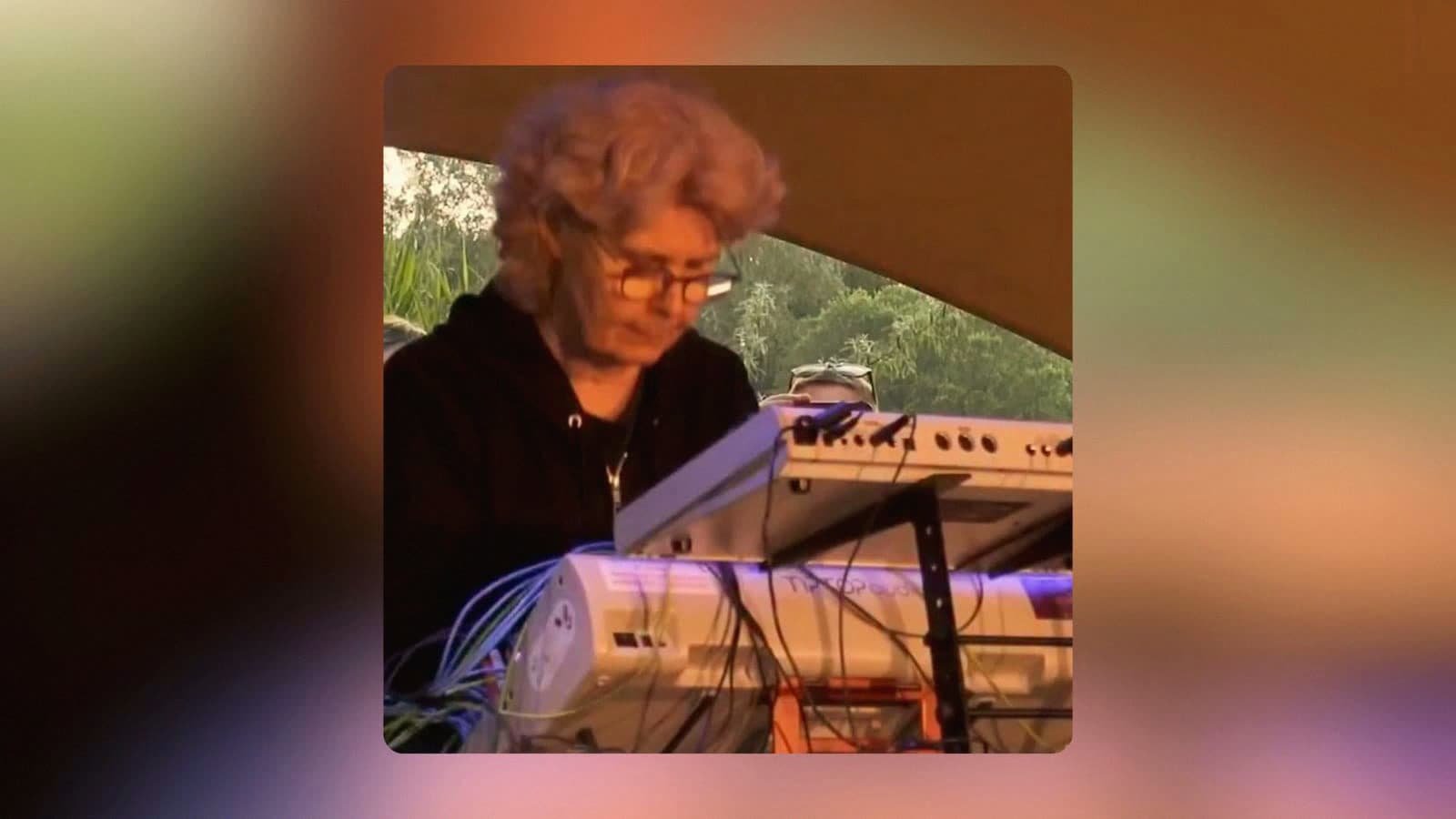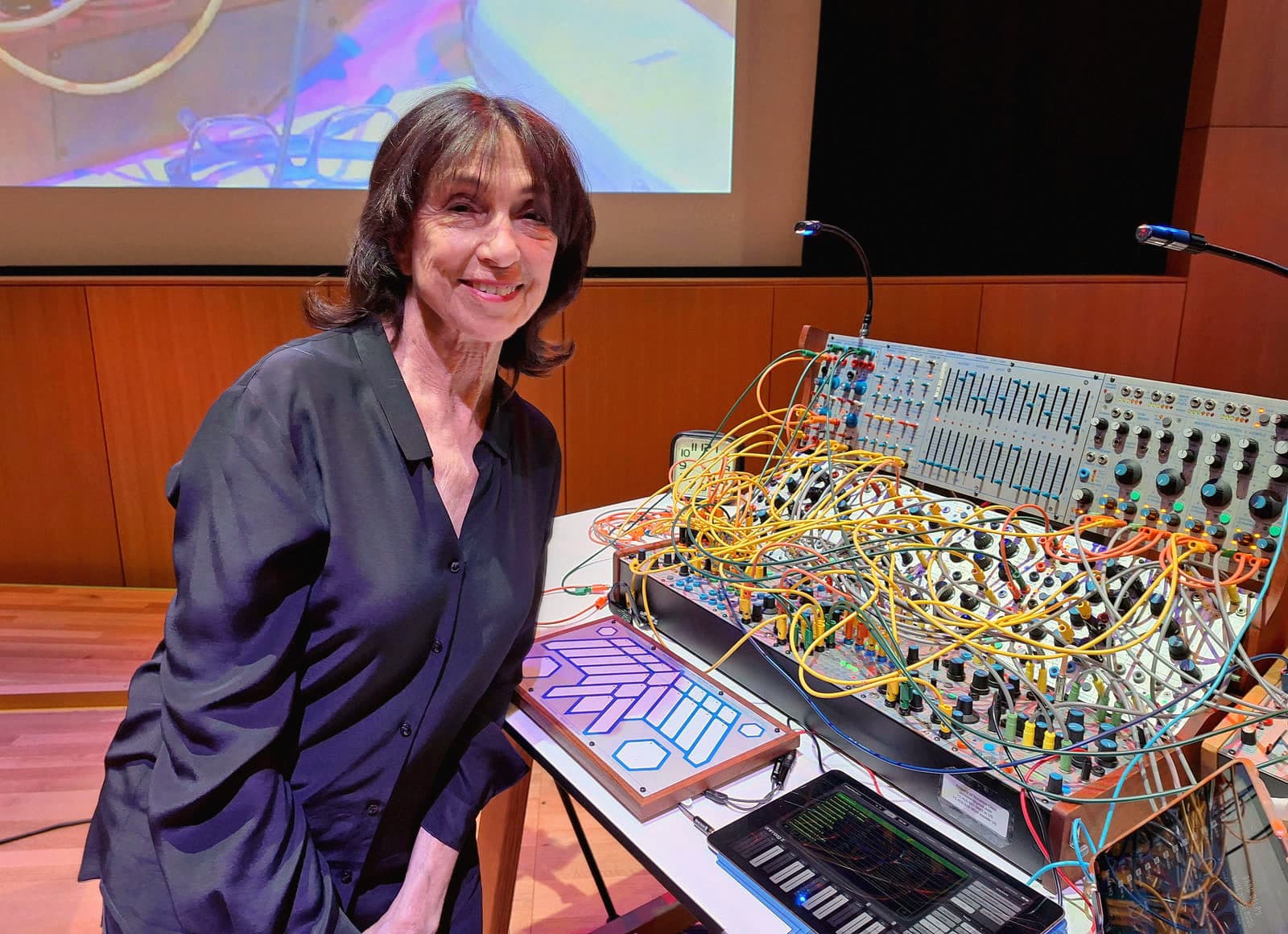
Suzanne Ciani has been coaxing sound out of a Buchla synthesizer since 1969. She scored Coca-Cola's pop-and-pour sound effect, built the voice of a pinball machine, released five albums that earned her Grammy nominations, and spent decades being introduced as electronic music's "first female synth hero" before festivals in most countries thought to book her. On October 4, she adds a new line to that list: Scotland.
Why has it taken this long?
That is the actual question worth sitting with, because the answer is not really about Ciani. Modular and Buchla-based performance spent most of its life as a niche inside a niche, closer to academic sound-art circuits and the West Coast synthesis lineage than to touring circuits that reach the UK's smaller nations. Ciani has played New York, Los Angeles, Berlin, Tokyo, Mexico City. Scotland's electronic-music infrastructure has leaned hard toward club culture and techno, which is exactly the world Ciani's work predates and quietly informs. Tramway, a former transport depot turned performance space, closes out Suzanne Ciani's set as the final booking of Sonica's ninth edition, itself a sign that reaching her took the kind of festival built specifically to bridge visual art and experimental sound, not a conventional promoter.
What does an improvised Buchla set actually sound like in 2026?
"Improvisation on Four Sequences" is not a Ciani greatest-hits show. It is billed as unrehearsed: real-time patching and voltage control, the same instrument she used to build television jingles in the 1970s now generating a single continuous piece with no fixed script. According to the performance description, it moves from the earliest textures of musique concrete through to the pulse of contemporary dance music, a through-line that argues her instrument was never a relic, just early. A Buchla system has no preset memory in the way a modern synth does; every performance is a physically different configuration of patch cables and knobs, which is precisely why Ciani, at this stage of her career, still performs standing in front of one rather than behind a laptop.
"This is her first ever Scottish appearance," reads the official Sonica listing, a sentence that says as much about the gaps in electronic music's touring map as it does about the show itself.
Why does Sonica keep booking like this?
Sonica's ninth edition runs across Pollok House, an 18th-century mansion, and Buchanan Galleries, a shopping centre, alongside Tramway and St Ninian's Church. That spread across gallery, retail and performance space is the festival's actual identity: more than 170 artists from over 20 countries this year, including Dinos Chapman opening with a psychedelic folk-horror audiovisual piece, Lyra Pramuk blending devotional vocal music with club energy, and Thomas Ankersmit giving the UK premiere of a piece built on rare Serge Modular systems. Closing on Ciani fits a festival that treats sound art and dance-adjacent electronic music as the same lineage rather than separate scenes, which is exactly the frame her career has always needed and rarely gotten.
Why it matters
A foundational figure in electronic music getting a genuine national first date in 2026 is a live signal of how uneven the touring map for modular and experimental synthesis pioneers still is, even at the top of the field.
What we think
The interesting story here isn't nostalgia, it's the gap. Ciani isn't being rediscovered, she never left; the scene just took its time building a room shaped for her. Sonica built that room, and closing the festival on an unrehearsed, hour-long Buchla improvisation is the kind of programming choice that other festivals chasing legacy bookings should be studying instead of just slotting pioneers into anniversary slots.