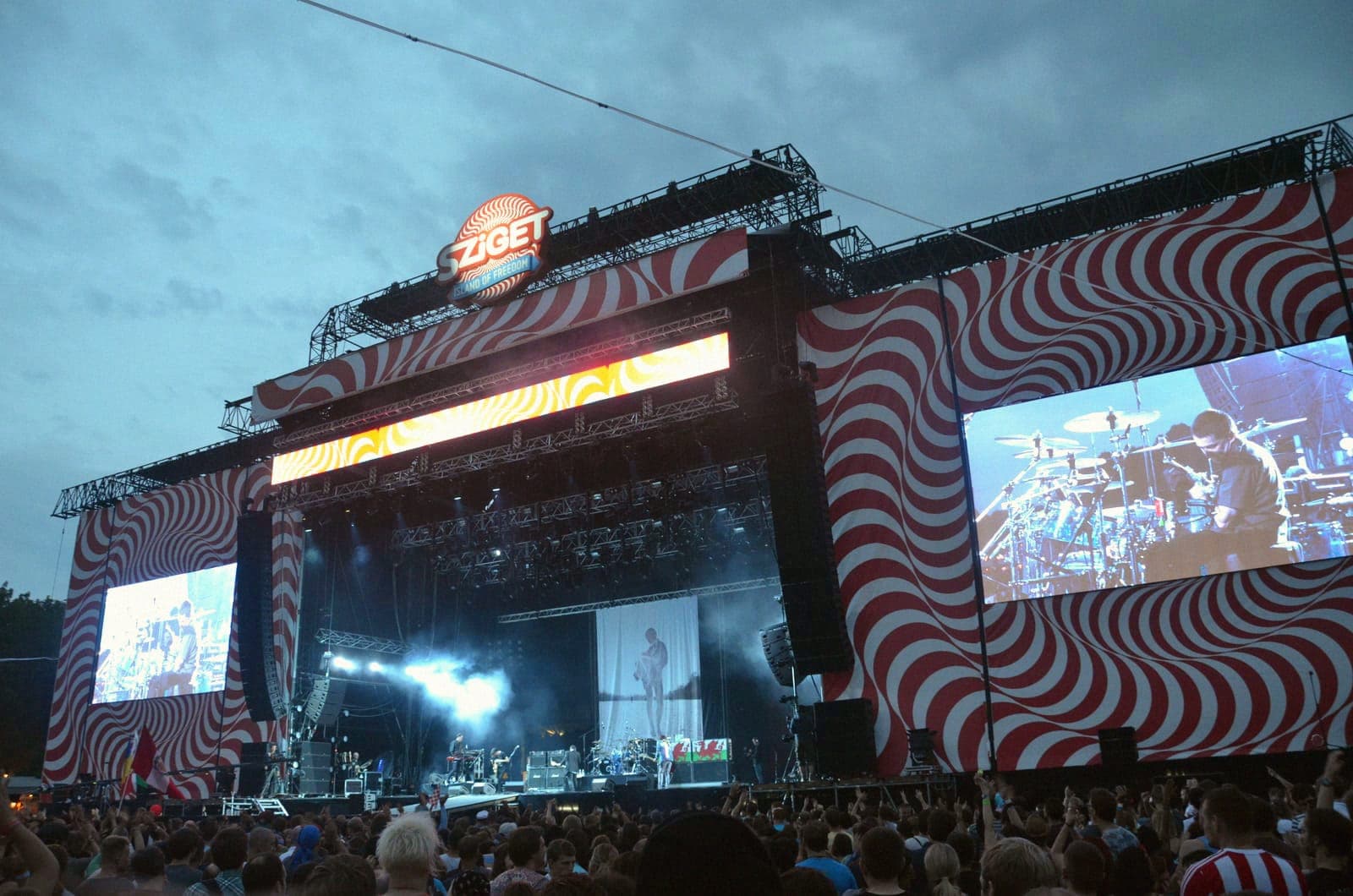
What actually changed at Sziget?
Sziget Festival has left Superstruct Entertainment. Ownership of the Budapest institution reverts to its founder, Károly Gerendai.
Gerendai walked away from majority control in 2017, the year Superstruct, then bankrolled by Providence Equity Partners and later taken over outright by KKR in a reported 1.3 billion euro 2024 deal, bought a 70 percent stake in the festival he built from a 1993 student gathering into one of Europe's biggest events. Nine years on, Superstruct is out and Gerendai is back running the show, just as Sziget prepares to open its 2026 edition on August 11.
Sziget CEO Tamás Kádár framed the split as amicable: "Superstruct's period allowed us to navigate the pandemic and invest in festival quality, we are grateful for their support." Gerendai's own statement pointed forward rather than back.
"Our focus is to emphasize Sziget's unique identity and values, deepening the festival's cultural significance and its connection to Budapest." - Károly Gerendai
Why is this happening days before the festival opens?
Two things sit next to each other, whether or not one caused the other. Superstruct has been the target of a monthslong scene-wide boycott campaign accusing KKR of profiting from companies tied to occupied Palestinian territory. That pressure has already cost Sónar its three founders and gutted lineups at Field Day. And Superstruct itself, per DJ Mag's reporting, has been posting billion-dollar losses in recent years, the kind of balance-sheet damage that pushes a private equity owner to offload assets rather than double down on them.
Sziget isn't the only Hungarian festival Superstruct has let go: Volt and Balaton Sound have also been dropped from the group's roster, which suggests this reads at least partly as a regional retreat rather than a targeted concession to activists. Whether Gerendai's buyback was forced by Superstruct's balance sheet, accelerated by the boycott's reputational cost, or simply a founder exercising an option nobody outside the deal has seen, none of the public statements say, and neither company has connected the exit to the protest campaign.
What does the reduced 2026 edition look like?
Sziget will run five days instead of its usual full week, August 11 to 15, still on Óbuda Island in the Danube. The festival has also locked in a new multi-year land-use agreement with Budapest's municipal government, tying the event to the island for years to come regardless of who owns the company behind it. For an event that spent nine years as a KKR-adjacent asset, that is the clearest signal yet: Sziget is betting its future on being Gerendai's festival again, at a smaller footprint, not Superstruct's.