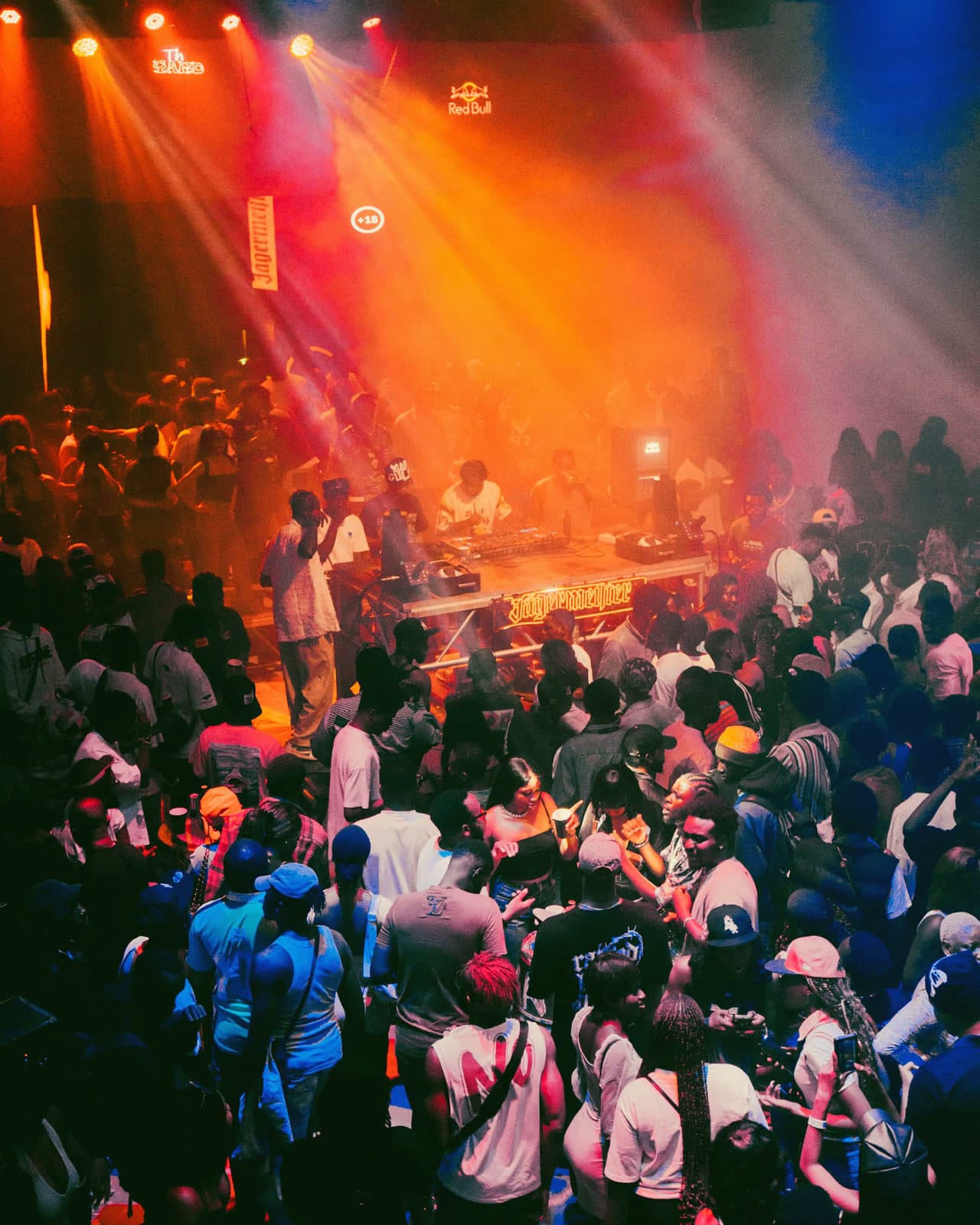
Berlin loses a club almost every year now. Rents climb, noise complaints turn into eviction notices, and developers keep eyeing the same warehouses and backyards that built the city's reputation. This week, the response from the scene isn't a protest march. It's a festival.
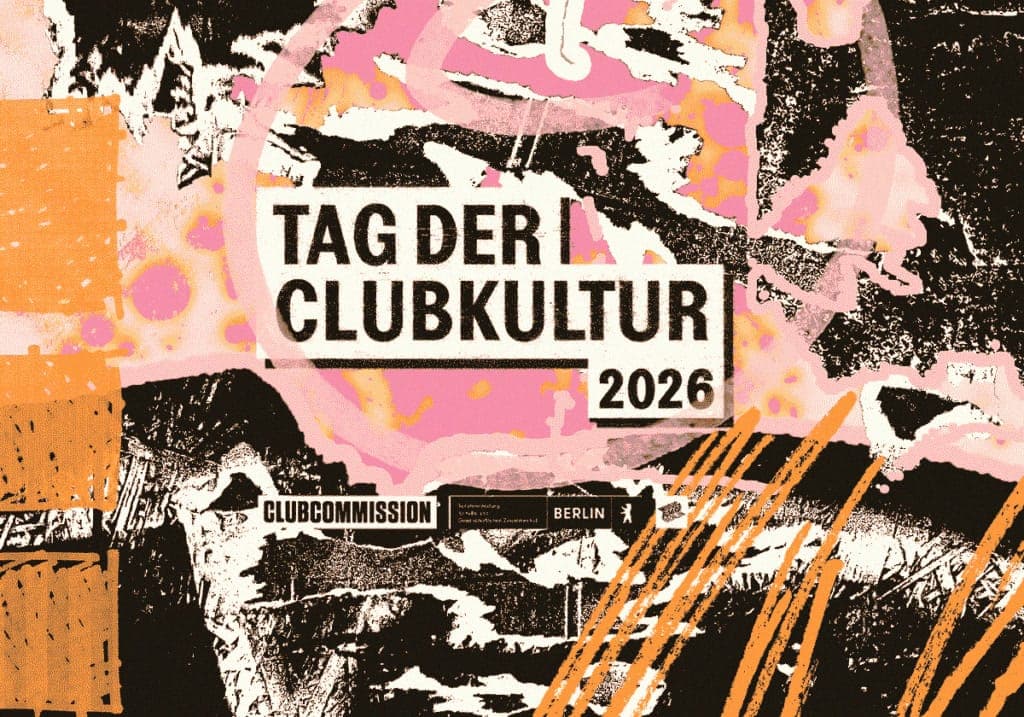
Tag der Clubkultur, now in its seventh edition, is Clubcommission Berlin's answer to a decade of attrition: nine days, roughly 130 events, more than 110 clubs, collectives and initiatives taking part across the city. The 2026 edition runs under the motto STAY CORE, and it's a pointed one. Not "survive", not "party". Stay.
What does STAY CORE actually ask Berlin to hold onto?
The organizers build the week around three words: staying, care and resistance. That's deliberately unglamorous. Staying is a landlord problem as much as a cultural one; care is about who gets to feel safe on a dancefloor; resistance is aimed squarely at the political and financial pressure squeezing venues out of the city. Clubcommission Berlin, the city's official club-culture advocacy body, frames the whole programme as proof that subculture in Berlin is still an attitude, not a brand to be marketed and then priced out.
Club culture creates spaces for encounter, cultural experimentation and social cohesion.
That's Katharin Ahrend, the organization's project lead, making the case plainly: this isn't nostalgia for a scene that used to matter. It's an argument that it still does, right now, while the ground underneath it keeps shifting.
Who's actually on the programme?
The lineup of venues reads like a map of what's survived so far: SO36, Kit Kat Club, Gretchen, Renate, Urban Spree, AEDEN, Madame Claude, bulbul, Crack Bellmer, BiNuu, Ballhaus Berlin, Goldengate, ACUD and OHM Audiogallery, alongside collectives like MASH-UP, AER Collective, Femquency, Berlin Club Memes and Kyiv-born DRIFT. Several are marking real anniversaries this week: Gretchen turns 15 with a set from Silvan Strauss and SO SORRY, SCHWUZ marks 49 years, and MASH-UP celebrates a decade. An exhibition called "Dancefloors after 1989" opens inside Kraftwerk for the first time, and Brazilian punk band As Mercenarias play Berlin for the first time in four decades. The programme also leans into what the scene doesn't always get credit for: FLINTA* and queer-feminist nights, sober dance events, community archiving projects, and radio takeovers from Cashmere Radio and SAUTI Radio.
Why does an awards show matter here?
The week closes out its Kulturpreis der Berliner Clubkultur with 32 awards worth EUR 5,000 to EUR 20,000, split across categories for space and aesthetics, programming and community work. It's a modest sum against Berlin rents, but it's also a deliberate signal: the city's official club body putting real money behind the spaces and crews it wants to see still standing next year. For an industry that spends most of its press cycle reading about closures, a prize list is a rare moment of naming who's winning instead of who's gone.
Why it matters
Berlin's club scene has spent years being eulogized by outsiders faster than it can defend itself. STAY CORE is the scene doing its own accounting in public, on its own terms, with its own venues, its own anniversaries and its own money.