Every dancefloor has that pair. Mid-set, mid-groove, two people plant themselves in the middle of the room and start a conversation, heads tilted in, oblivious to the bodies rerouting around them like water around a rock. It isn't malicious, it's just the wrong room for it. House and techno culture built an entire architecture around this problem long ago: the bar, the smoking terrace, the chill-out lounge, spaces that exist specifically so conversation never has to happen on the floor. When it happens anyway, something in the room's flow breaks.
Why does talking on the dancefloor kill the flow?
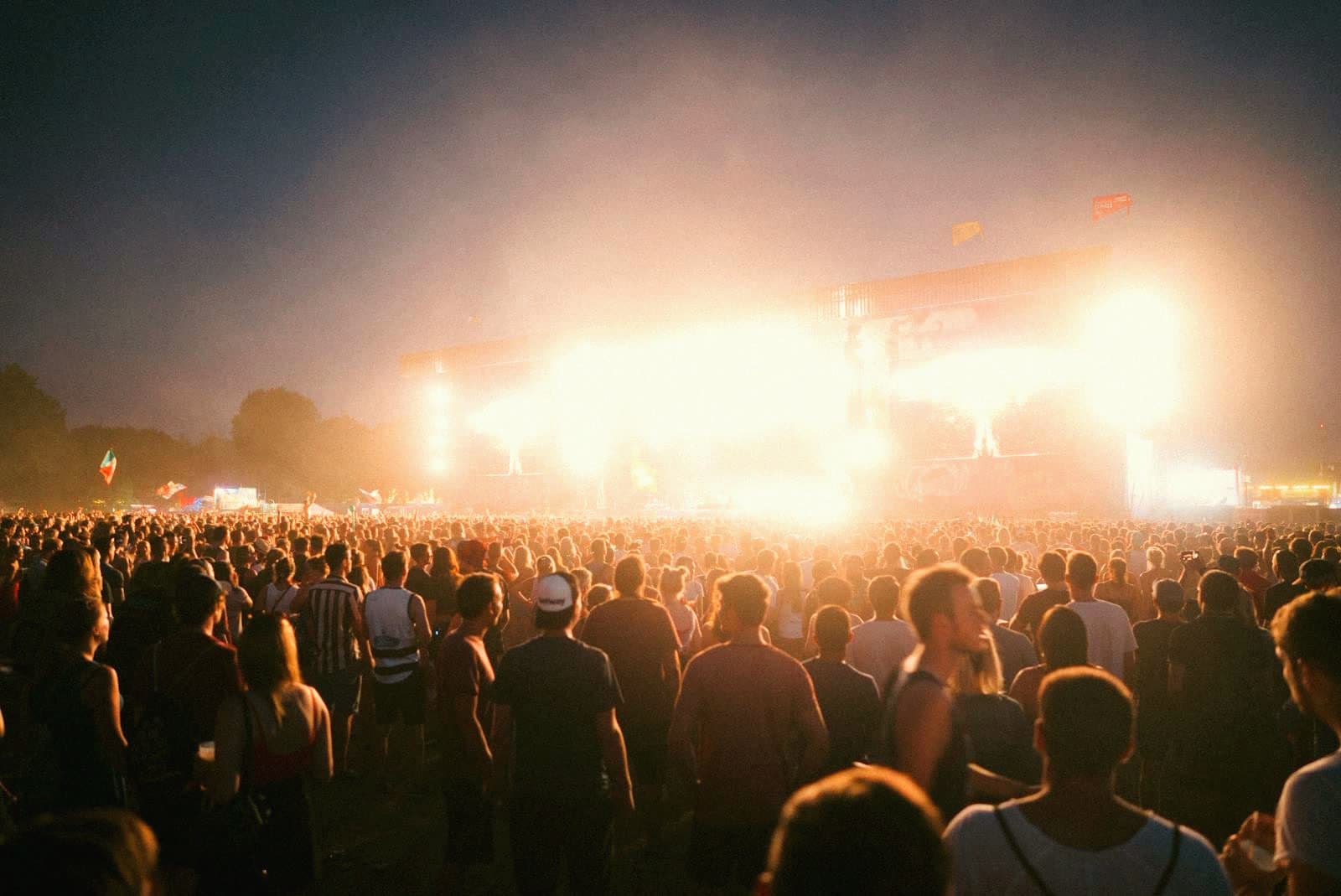
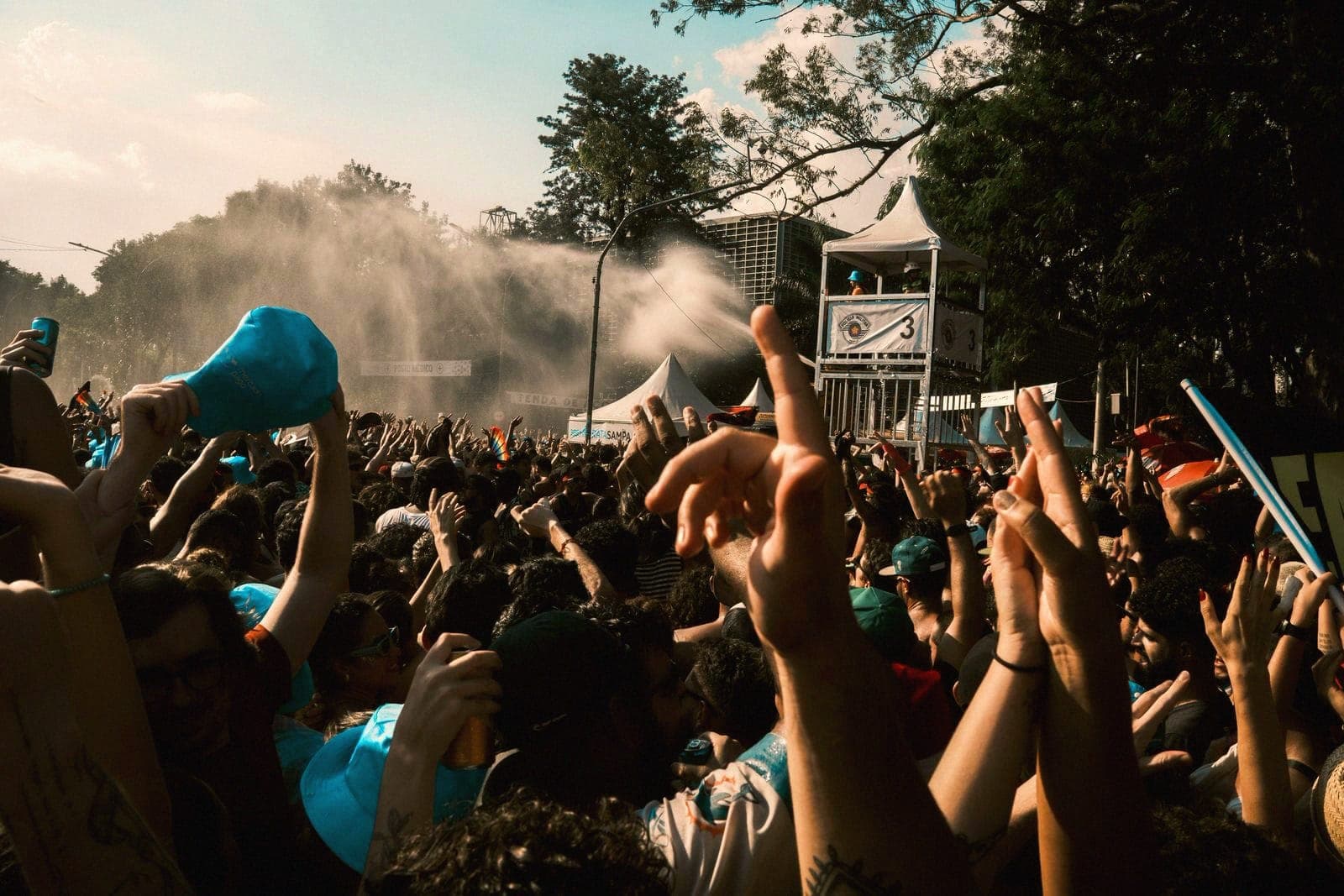
A dancefloor works because everyone on it is doing roughly the same thing at the same time: moving to the same beat, reading the same room, feeding energy back into a crowd that's doing the same. Writer Mia Arends made the case in a 2025 essay for The Dancer's Dispatch that a night only becomes a rave once people turn toward each other to dance, not to talk, closing the loop between bodies instead of leaving it open to the DJ or to a side conversation. A pair standing still to chat breaks that loop twice: they stop moving, and they become a fixed obstacle everyone else has to navigate around. Multiply that by a few clusters of talkers and a packed floor stops reading as one moving body and starts reading as a room full of separate errands.
Where does club culture actually want you to talk?
Berlin's club scene, whose etiquette has become an unofficial rulebook for serious dancefloors worldwide, states the split plainly. A 2025 guide to the city's club conduct puts it in one line:
“Don't talk over the music. This is a space for dancing, not socializing.”, Berlin club-etiquette guide, Playful Mag, 2025
The same guide sends conversation to specific rooms: the bar, the smoking area, the lounge. None of that is incidental. Clubs sink real square footage and design into those spaces precisely because organizers know the floor has to stay clear for the one thing it's built to do. A chill-out room isn't a consolation prize for people too tired to dance, it's the release valve that keeps the main floor's density and flow intact for everyone who's still moving.
Is this etiquette or gatekeeping?
The obvious pushback is that policing how people enjoy a night out is exactly the kind of scene-purist gatekeeping house and techno get accused of. But the ask here isn't silence, it's location. Nobody is saying don't talk to your friends, the rule is talk ten feet to the left, at the rail or the bar, where a conversation doesn't cost the people around you their space to move. That's a different register from the phone bans and photo rules some clubs enforce at the door, this one isn't policed by security, it's just the unwritten deal that makes a packed floor work: you get the room's collective energy in exchange for not being the reason it drains.