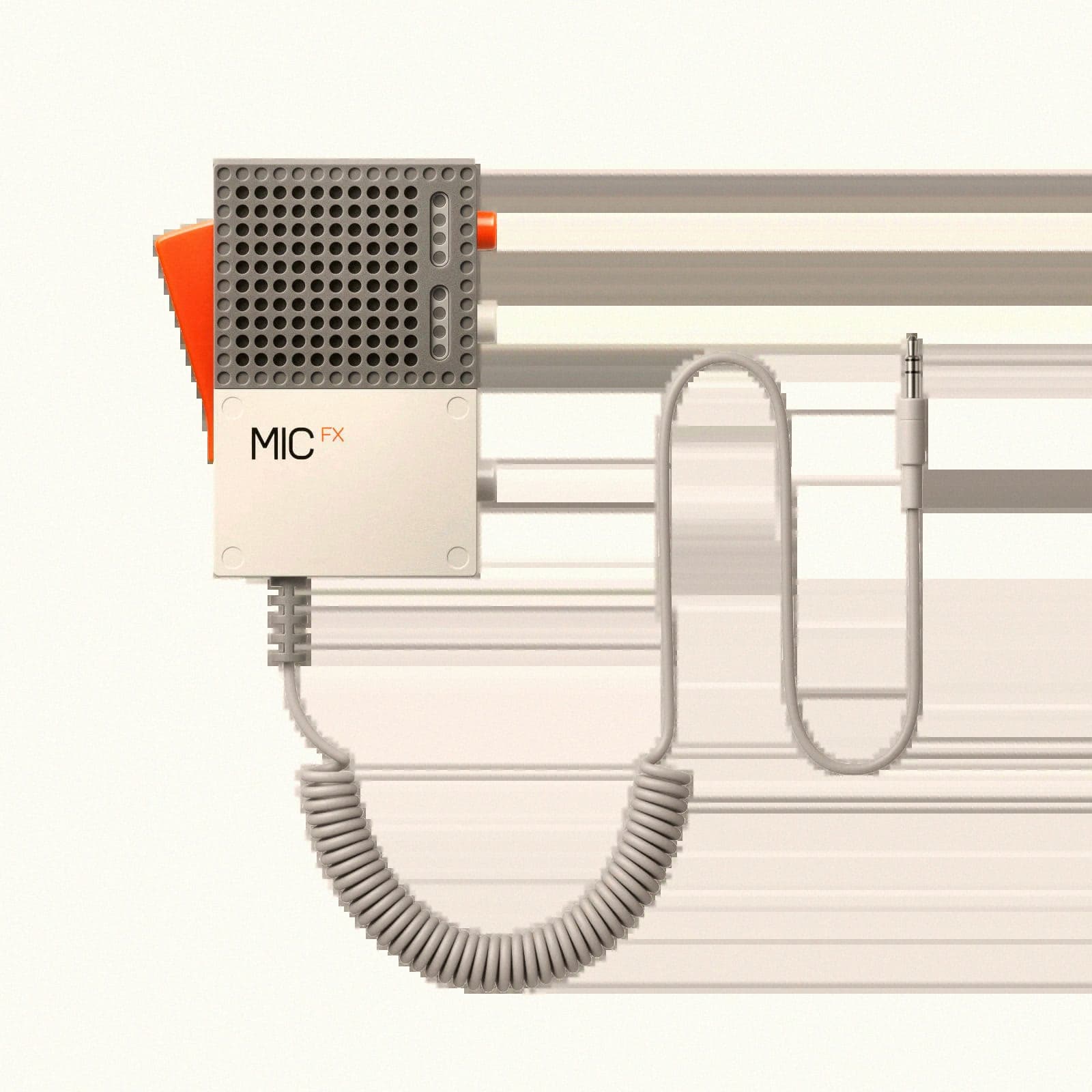
What exactly is the EP-2350 FX Mic?
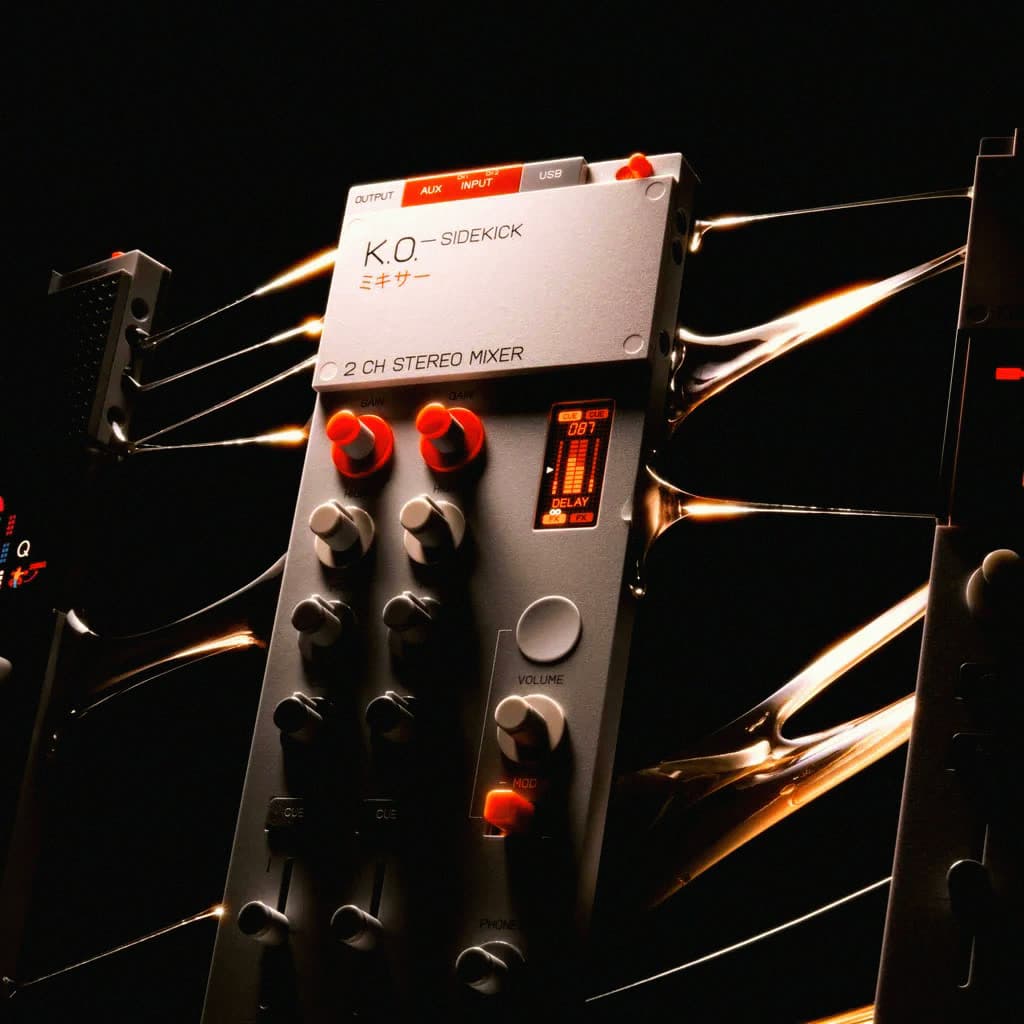
The EP-2350 FX Mic is Teenage Engineering's redo of its short-lived Ting microphone, rebuilt to match the housing and colourway of the Teenage Engineering EP-133 K.O. II and EP-136 K.O. Sidekick samplers. Inside sits a Raspberry Pi RP2350 microcontroller running four built-in vocal effects: echo, echo plus spring reverb, pixie and a robot voice. Four replaceable sample-playback slots live next to those effects, and a line-level input turns the mic into a hub for samplers, sequencers, mixers or whatever else is on the table. It sells for $58 / £51 / €59 and runs off two AAA batteries or USB-C bus power, cheap enough to treat as a toy and capable enough to not be one.
Why did modders get there first?
Here's the twist: Adafruit posted a complete hacking guide for this hardware on August 6, 2026, three weeks before Teenage Engineering's own press cycle kicked in on August 25. That guide, published under the device's earlier internal name "Ting", covers a full teardown, pinout reverse-engineering and instructions for flashing CircuitPython onto the board, plus a working demo project. In other words, the maker community had working documentation for this mic before most outlets had a name for it.
Teenage Engineering gear gets reverse-engineered on a near-guaranteed timeline; the surprise here is how far ahead of the launch it happened.
What can you actually do with it once it's open?
On the factory side, Teenage Engineering already lets owners dig into an onboard config.json file to redesign effect chains and remap how the handle's motion and other modulation sources behave, well beyond the four presets. Crack the case open per Adafruit's guide and the RP2350 chip becomes a fully programmable target: custom firmware, new effects, alternate trigger logic, anything the community decides to build. For a DJ or producer, that turns a $58 novelty mic into a live-rig vocal processor that keeps evolving long after the factory firmware stops being interesting.
Why it matters
For working DJs and producers, this means the cheapest thing in Teenage Engineering's current lineup doubles as an open platform: buy it for the four stock effects, keep it for whatever the mod scene builds once the RP2350 is fully mapped, extending the same hackable lineage as the OP-1 and Pocket Operator line that keeps this brand relevant well past its own preset list.
What we think
This is the smart kind of product strategy Teenage Engineering keeps running: ship a toy-priced piece of hardware, let documentation leak into hacker circles before the press release even lands, and let community projects extend the thing's life for free. Putting a genuinely capable chip like the RP2350 in a $58 mic instead of gatekeeping it behind a flagship box is exactly the move that keeps this company's cheapest gear its most interesting.