What did Time Warp actually book for New York and Los Angeles?
Time Warp has run its flagship edition out of Mannheim's Maimarkthalle since 1995. Eight days apart this November, it is taking two very different approaches to the United States.
New York comes first, at Duggal Greenhouse in Brooklyn. Friday, November 20 brings Anetha, VTSS, DJ Tennis, Red Axes, Franky Rizardo, Indira Paganotto, Kilopatrah Jones, Novah, Silvie Loto, Annie Lew and ChaseWest. Saturday closes harder, with Sven Väth, Âme and DVS1 headlining alongside Adiel, Brunello, Chlär, Julya Karma, Klangkuenstler, KYRUH, Rose Kourts and Quest. That is a genuinely stacked two-night bill for a brand that has never run a show in the city before.
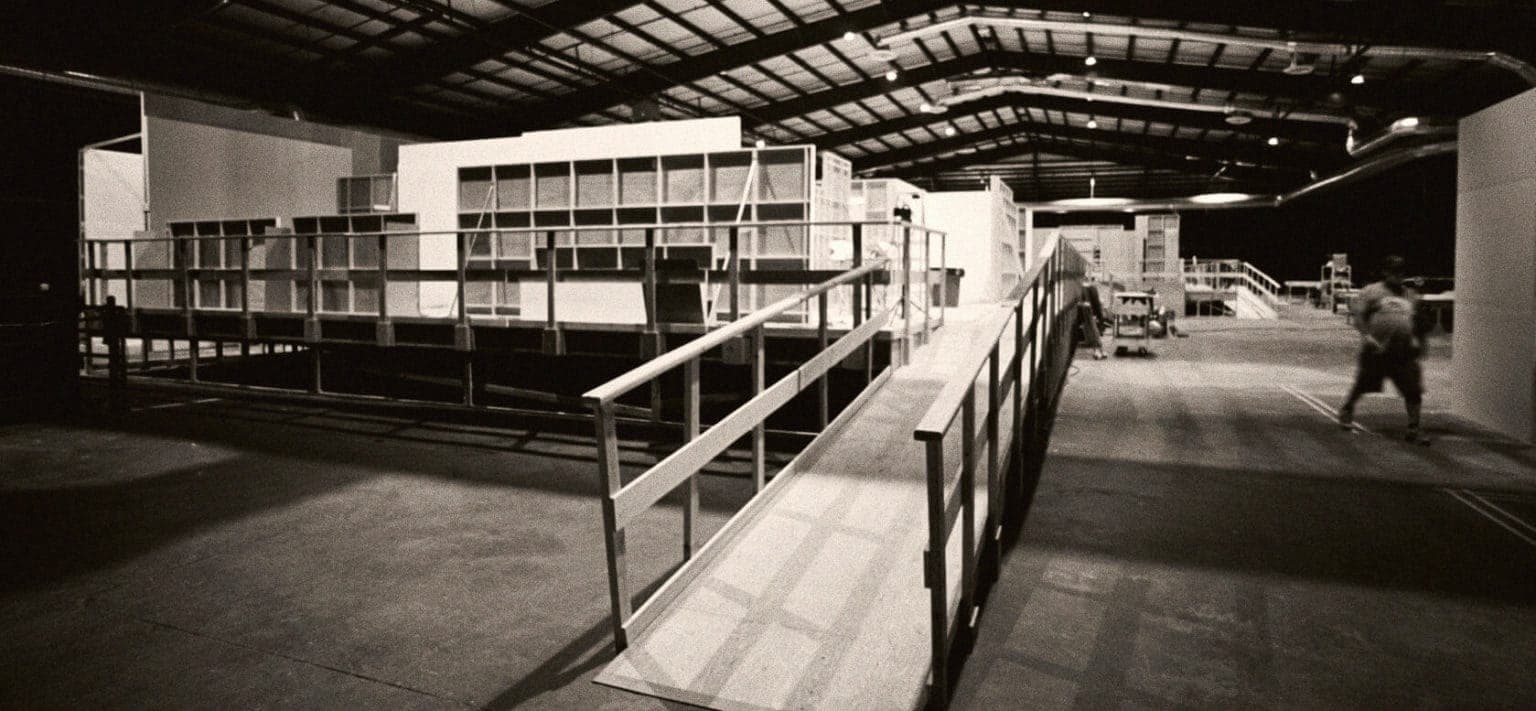
Los Angeles, a week later, is a different bet entirely. Ace*Mission Studios, the Ace Warehouses, has never hosted a show of any kind before, and Time Warp gets the first one: three stages, running 2pm to 2am both days, 24 hours of continuous programming across the weekend. As of the November 4 announcement, not one artist has been named. General admission has been on presale since mid-August regardless.
The venue's "industrial character" offers "a one-of-a-kind setting that complements the brand's renowned productions," Insomniac said when announcing the show.
Why is a German techno brand suddenly everywhere in America?
Time Warp built its reputation almost entirely in one room over three decades. Spreading that name across three American cities in a single year, after an earlier Miami date in 2026, is a bet that the brand itself now travels independently of the building it is tied to.
It is not a solo move. Insomniac, the company behind EDC and one of the largest festival operators in North America, is producing the Los Angeles leg, supplying the permitting, marketing and ticketing infrastructure a touring European promoter would otherwise have to build from scratch. That licensing model, a legacy European name paired with an established US operator, is becoming the standard way techno festivals cross the Atlantic rather than being built market by market from zero.
Is this smart expansion or stretched too thin?
New York is the safer bet: a loaded bill in a market that already has a serious techno audience, at a venue with a track record of hosting electronic events. Los Angeles is the opposite: an unproven room asking fans to commit to a full weekend on faith, with no names yet to anchor the sell.
Three US cities in one year, two of them a week apart with no shared headliner between them, is also a fast way to split the very audience a legacy brand depends on. If Time Warp's hardcore following spreads itself across Miami, Brooklyn and an LA warehouse instead of flying in for one unmissable date, none of the three gets the kind of night that built the Mannheim reputation in the first place.