Time Warp built its 33-year run on one promise: whatever happened backstage, the show went on. That streak ends this weekend, quietly, with an empty pavilion in Madrid.
The brand pulled its September 18-19 Spain edition at Time Warp's IFEMA Madrid site on July 3, more than two months out from the dates, which fall this coming Friday and Saturday. In its own words, organizers said they had 'never once cancelled a Time Warp event in advance' before this one. Three decades of Mannheim floods, lineup reshuffles and logistical scrambles never produced a blank weekend. A Madrid venue dispute did.
What actually broke down with IFEMA?
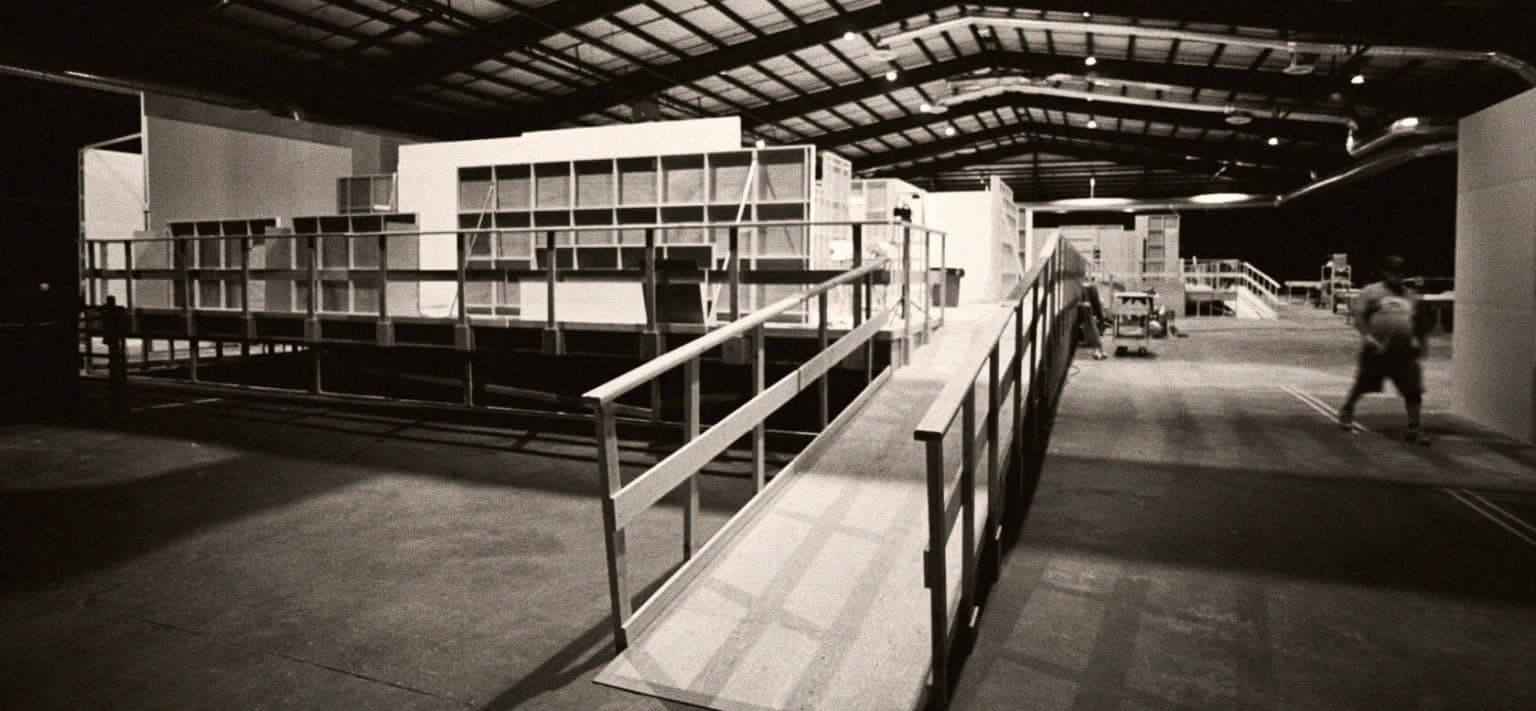
According to the official statement, the trouble started in May 2026: a third party's infrastructure sat in the venue's Pavilion 12 under a pre-existing exclusivity agreement, and IFEMA could not clear it in time to meet Time Warp's own technical, audio and safety standards. The promoter says it pushed for a fix until, in its words, 'no room for maneuver remained,' and refused to compromise the production it's known for rather than run a diminished show. IFEMA, a state-backed convention and exhibition body that runs the Madrid site, has not issued a public statement on the dispute.
This was meant to be Time Warp Spain's third consecutive year at IFEMA, following its 2024 and 2025 editions there, with Sven Väth, Oscar Mulero and Ben Sims on the bill. None of it happens now. Refunds are moving through original sale channels, capped at 15 days from the cancellation notice, and Time Warp says a new Spain date is in the works, with no timeline given.
"For 33 years, Time Warp has stood for one unshakable promise: the show goes on... That streak was something we were quietly, deeply proud of."
Why does a Madrid cancellation matter beyond Madrid?
Time Warp isn't a local promoter renting a hall for a weekend; it's a brand that licenses its name and production standard into markets worldwide, from Mannheim to Brazil to the US. When it walks away from a booked venue rather than compromise, that's a signal to every other city on its calendar about what IFEMA-style venue risk looks like, and it hands promoters in other markets a fresh argument for tighter infrastructure clauses in their own venue contracts.