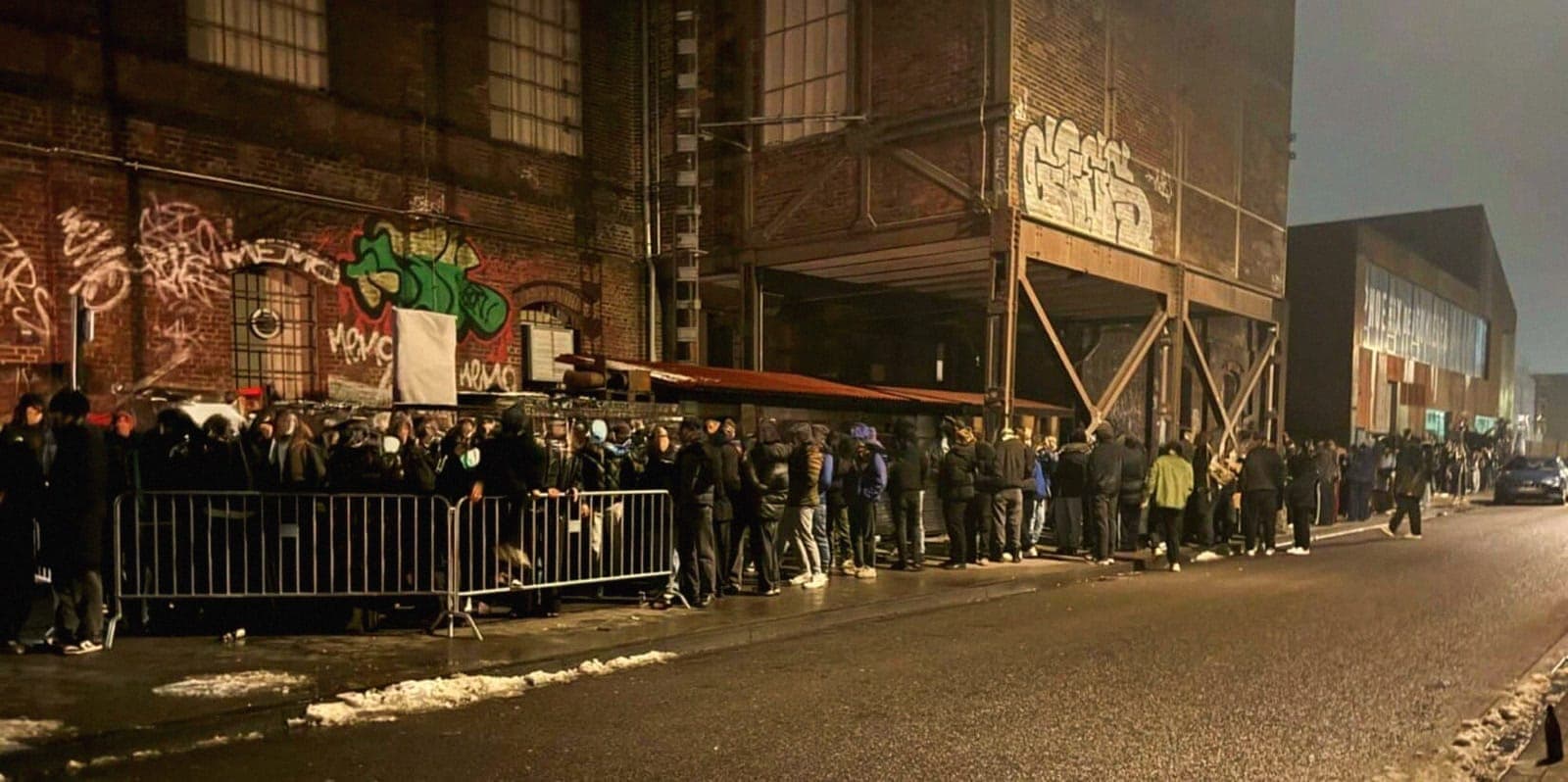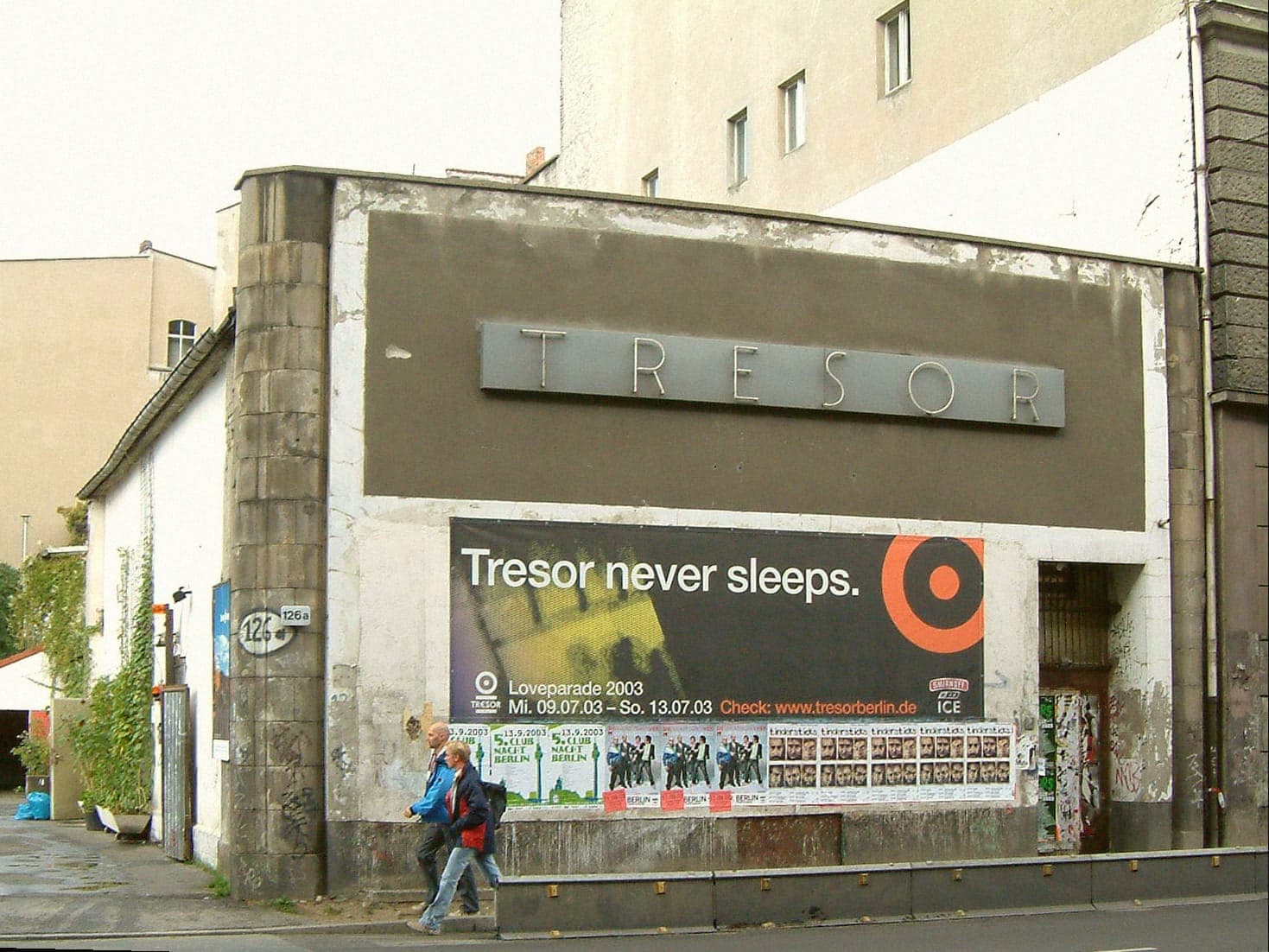
Dimitri Hegemann did not build Tresor on market research. The Berlin club opened in a bank vault in 1991 and became one of techno's founding rooms by refusing to be anything else. So when he put his name on a second club in Dortmund in 2019, Tresor.West, and ran it on the same strict premise, booking only techno for seven straight years, it read like a statement of faith. Now Hegemann is calling it something else: an experiment. And he's saying, plainly, that it didn't work.
Tresor.West shuts down at the end of 2026. The final confirmed Saturdays are November 7, 14 and 21, with no December dates yet announced. Hegemann has pointed to declining visitor numbers, rising operating costs and a nightlife audience that has moved on, following festival brands and headline DJs rather than a single genre room. That is not a story about one club losing a lease. It's an admission that the model Hegemann helped invent, the genre temple, may not survive the economy clubbing runs on today.
Why couldn't a 750-capacity club with Tresor's name make it work?
The numbers tell a specific story, not a vague one. Tresor.West opened in December 2019, got shut almost immediately by the pandemic, and didn't reopen until May 2022, by which point projected revenues never caught up. Energy bills climbed. Pandemic support grants were cut, and some were clawed back. The venue carried a payroll of 22 staff across roughly 750 indoor capacity and a 2,000-square-meter garden, a lot of overhead for a single-genre booking policy to carry on its own in a mid-sized German city.
In January 2025, the club tried the obvious fix: free entry. The Community Nights initiative opened the door for nothing in the hope that volume would follow. It drew 650, then 680, then 730 people across its first three Saturdays, numbers that look respectable on paper but still left the room under capacity, and crucially, free admission doesn't cover a 22-person payroll and a utility bill. The experiment Hegemann describes wasn't really about whether people like techno. It was about whether a single-genre door policy, on its own, can fund a venue this size without the festival-scale attention or multi-room flexibility that keeps bigger rooms solvent.
"This was always an experiment."
What happens to the room, and does this mean anything for Tresor Berlin?
The building itself isn't necessarily done. The site sits inside the former Phoenix-West steelworks in Dortmund-Hörde, and its owner wants a club to keep operating there, not an empty unit. Applications from prospective new operators are open through November 15, 2026, addressed to the venue's press contact. Whoever takes it over inherits concrete DJ booths, arched windows built for light and video art, and a reputation, but also the economics that just broke Hegemann's model.
Tresor Berlin itself is not affected. The original vault club, the one that actually earned the genre-temple reputation in the 1990s, keeps running as it has. But the distinction matters less than it sounds: Tresor.West wasn't a knockoff trading on the name, it was Hegemann's own attempt to replicate what made Tresor work, in a different city, without three decades of accumulated cultural weight behind it. That attempt is what just failed.
Why it matters
If a founder of modern techno can't make a strict, genre-only booking policy pay in 2026, that's a warning for every mid-sized club clinging to purism as a business model: audiences now follow festival brands and single DJs across genres, not a venue's identity, and a door policy alone no longer guarantees a crowd.
What we think
Hegemann deserves credit for calling this what it is instead of dressing it up as a victim narrative. Genre purity is a cultural value, not a revenue line, and pretending otherwise just delays the reckoning other clubs are going to have anyway.