Why did a Friday night at Palais send its door money to Colombia?
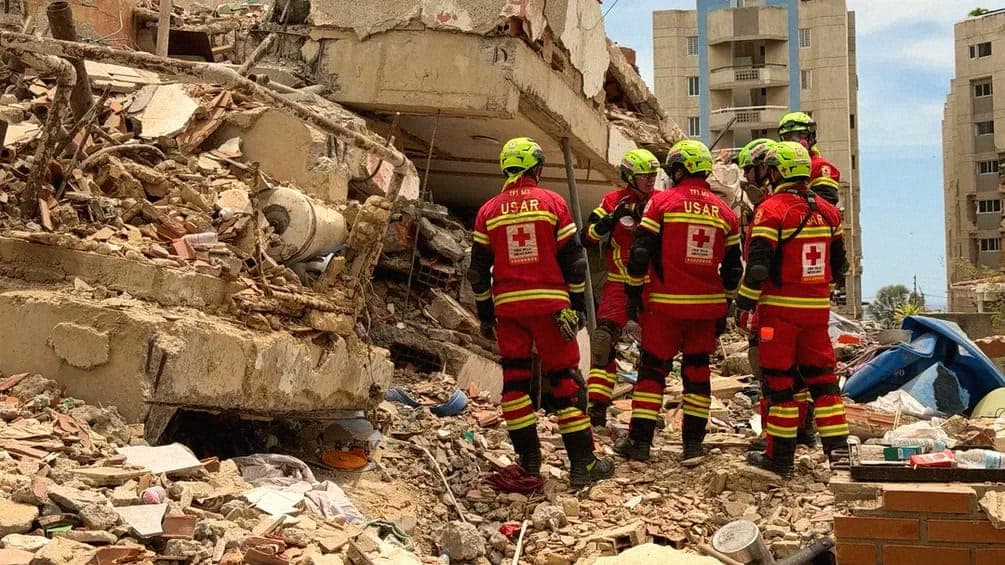
TSHA and DJ Holographic split a bill at Palais in Peckham on Friday, September 11, running 8pm to 4am, and the club committed 100 percent of ticket revenue, £12 to £20 a head, to a Colombian earthquake relief fund rather than keeping a cut for the venue or the artists. The gesture lands a month after a magnitude-7.4 earthquake struck near San José del Palmar in Colombia's Chocó department, close to Valle del Cauca, on August 10. The quake killed at least 111 people and injured at least 87, with several children among the wounded and people left trapped under rubble, according to UN News. Club nights routinely bolt a token "portion of proceeds" onto a lineup poster; handing over the entire door take is rarer, and it turned a routine Friday booking into a direct transfer of London nightlife money toward a disaster recovery thousands of miles away.
Who actually played?
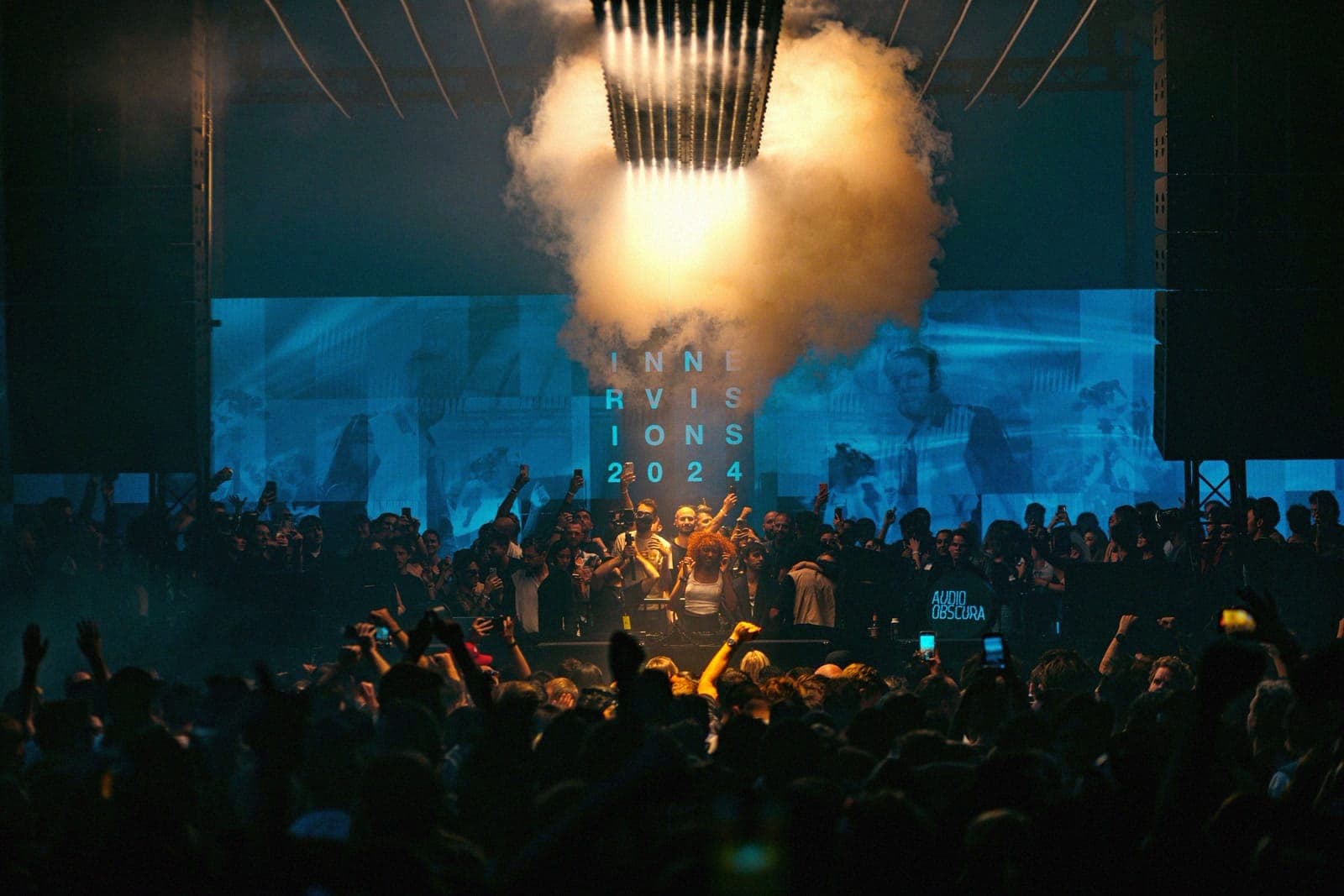
TSHA built her set around the melodic, rhythm-led production that has carried her from small London rooms to festival main stages, while DJ Holographic, the Detroit selector born Ariel Corley, worked through the house, soul and cosmic funk lineage she grew up on in that city's clubs. It's a pairing that makes sense on paper, two women rooted in house music's rhythmic and melodic ends, and on a night like this it doubled as proof a charity bill doesn't have to mean a watered-down lineup.
What is Palais, and why the no-phones rule?
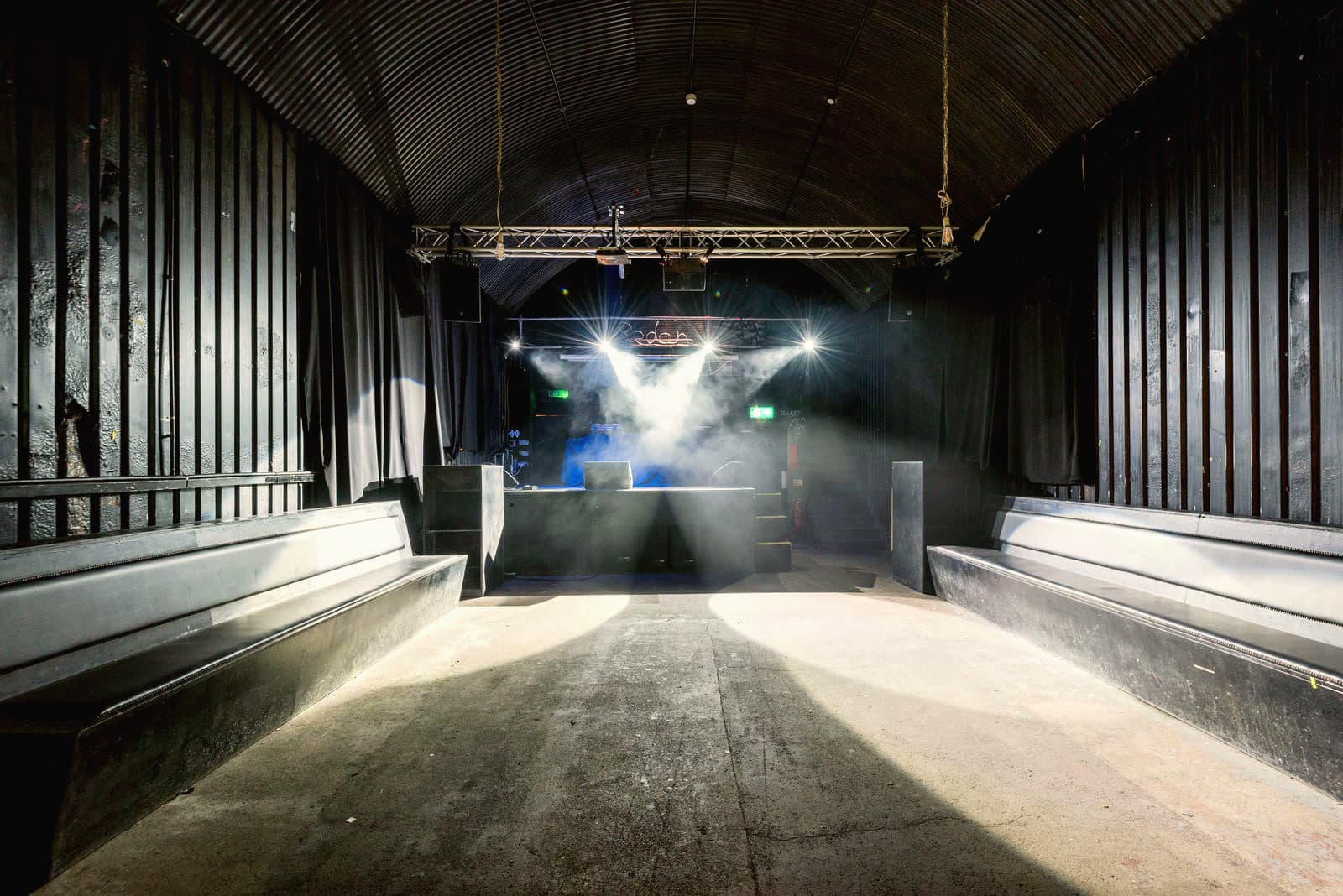
Palais opened inside the old Jones & Higgins department store on Rye Lane, a 470-capacity room built around a five-way Funktion-One rig, and it runs a strict no-photography, no-filming policy once a set starts. That house rule, paired with the 21-plus ID check at the door, fits the venue's pitch: a room built for the music and the crowd inside it, not the phone footage that leaves it.