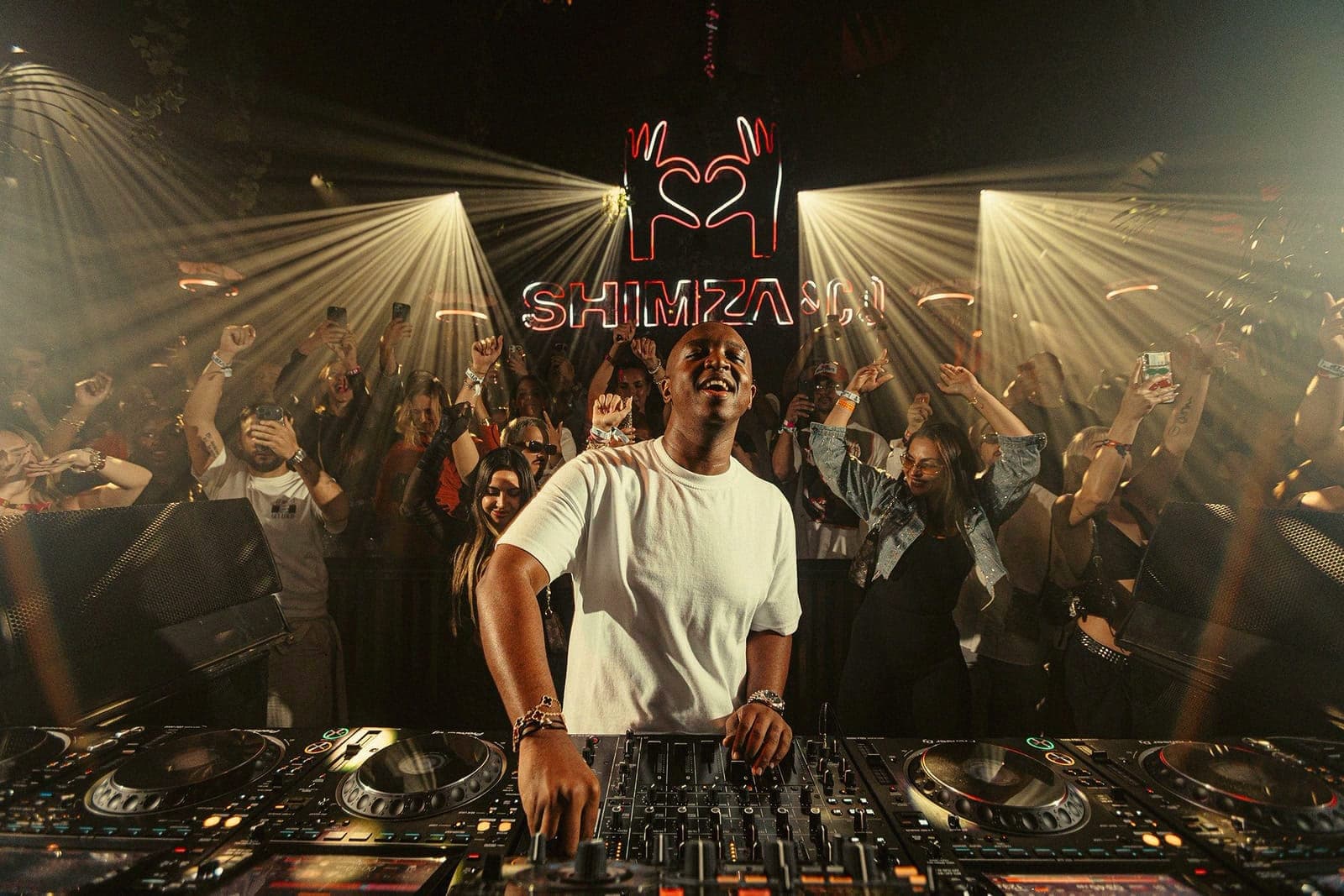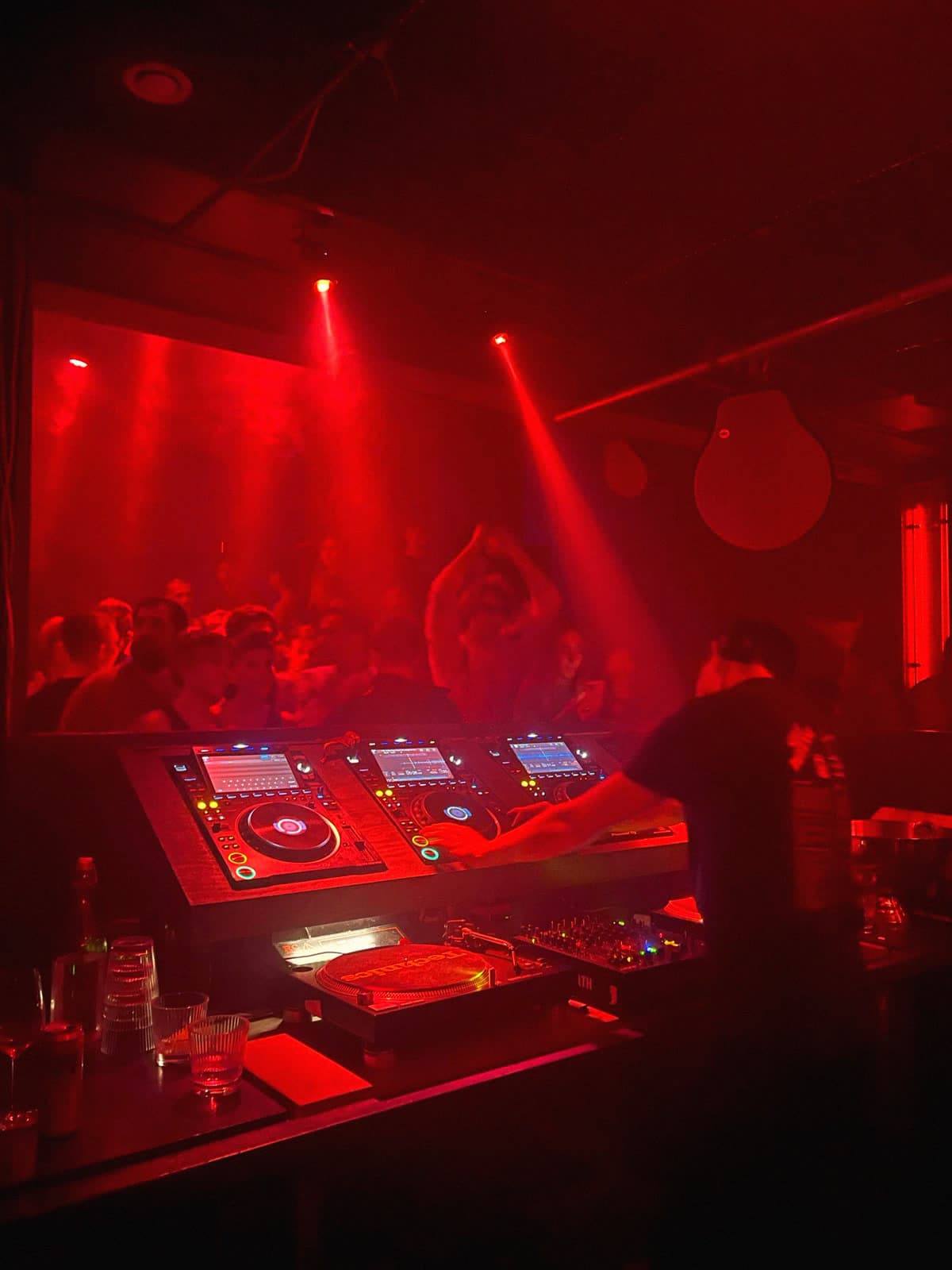
South Africa gets credited as Afro house's home base so often that it is easy to forget the genre has been spreading for years into East Africa, where it is now building its own rooms, promoters and regulars. Depot 37, a warehouse-style space inside Kigali's Mundi Center in Gikondo, is becoming the city's clearest proof point.
What is TWESE: Pure AfroHouse bringing back?
TWESE returns on Saturday, October 10, 2026, running from 18:00 to 02:30 at Depot 37, after what organisers describe only as a long break. Entry costs RWF 10,000 to 20,000 (about USD 6.80 to 13.50), and the night pairs a Kenyan contingent with the local scene: Nairobi-based singer and DJ Tina Ardor and Mombasa producer Ally Fresh fly in to play alongside Rwandan DJs K'Ru and DJ Motari.
That lineup is the actual story. Afro house bookings between Kenya and Rwanda are still rare enough to notice, and a Kigali promoter choosing to fly in Kenyan talent rather than lean entirely on South African names signals a scene starting to trade horizontally within East Africa instead of only looking south for validation.
Why does one Kigali venue matter for the whole region?
Depot 37 is not a one-off room for a single party brand. It is also where DJ Lamper, an Italian-Rwandan DJ who relocated from Italy to Kigali in 2020, launched his own Afro house series, Atmosfera, in March 2025, with K'Ru among the supporting DJs. Two separate promoters running competing Afro house nights out of the same Gikondo warehouse is a concentration you only get once a scene has enough regular dancers to fill a room more than once a month.
"Rwanda is the toughest market, but if you make it here, you can make it anywhere."
That is DJ Lamper's read on his own bet, and it tracks with why TWESE's return matters beyond one Saturday: a night that can go on hiatus and still have an audience waiting for it to come back is a night with a real base, not a one-off novelty booking.
Is Afro house actually taking root in Rwanda?
DJ Lamper calls Afro house "the perfect combo" of European production techniques and African rhythm, but admits it remains "very new here" compared with its footholds in South Africa, Nigeria or Kenya. TWESE's Kenya-Rwanda bill and Atmosfera's run at the same venue are early, modest data points, not proof of a boom. What they do show is a city with more than one promoter willing to bet a recurring night on the genre, and regional artists willing to cross a border to play it.