What actually happened at UNVRS?
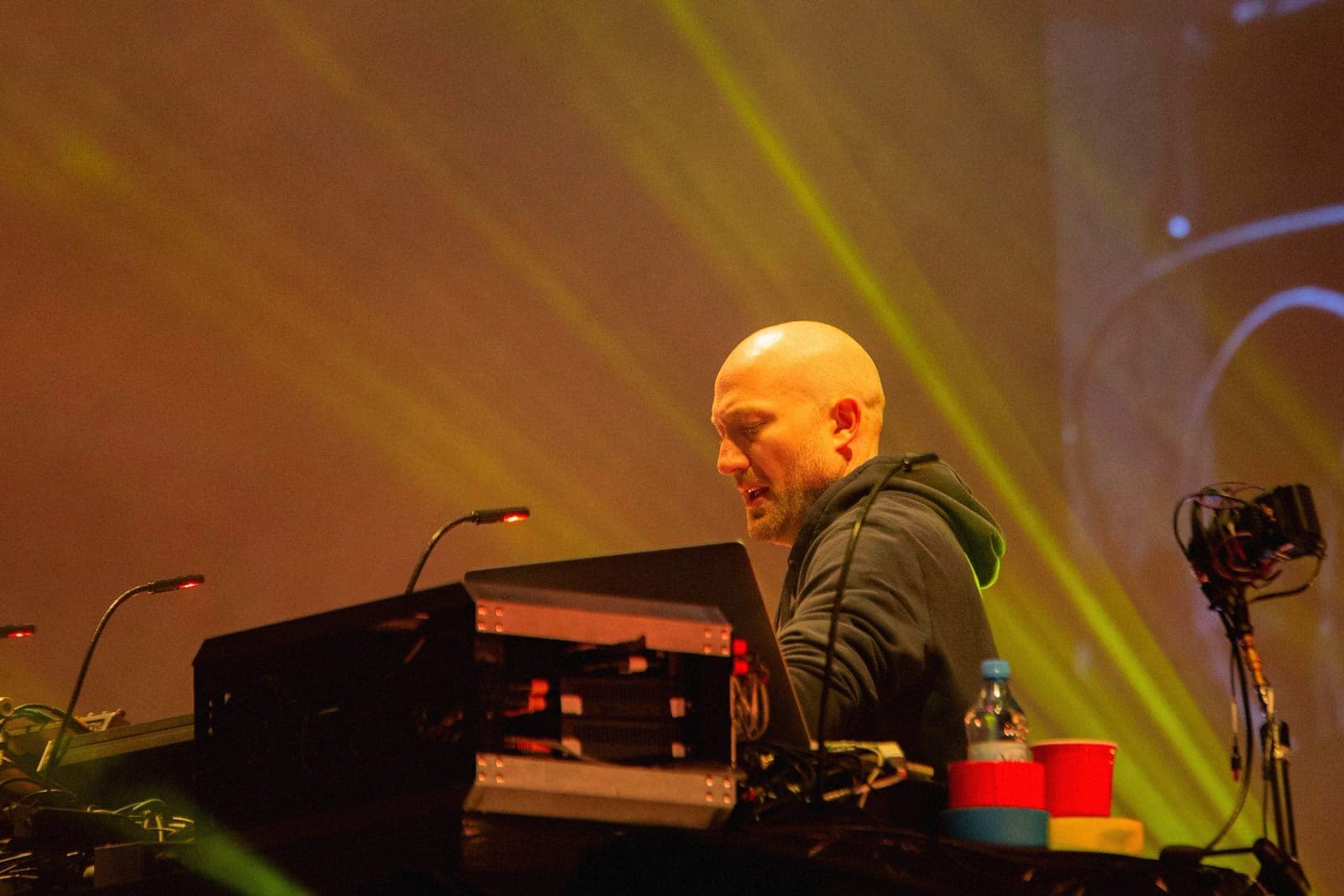
A video making the rounds on Spanish-language social media shows the crowd at UNVRS, the San Rafael hyperclub, holding up phones instead of dancing. Per Periódico de Ibiza, which reported the story on September 8, the clip was captured mid-set and shows what looks like hundreds, if not thousands, of screens raised across the dancefloor rather than hands. It was posted by Josef Ajram, a Spanish trader, author, motivational speaker and ultramarathon runner with more than 450,000 followers across social media.
Ajram's caption didn't attack the club, it asked a question: "At what point do we do things to live them, and at what point do we do them to prove we lived them?" He followed with a second one, asking where the line sits between filming to show off and actually living the moment. Per the source, the post pulled in close to 1,000 comments.
Why did an influencer's complaint about filming backfire?
Because plenty of commenters pointed out the obvious: Ajram's own public life runs almost entirely on shared content. A trader turned public figure with a six-figure following doesn't get there by staying off camera. Several replies under the post accused him of hypocrisy, arguing he was scolding a room full of people for doing, on a smaller scale and for free, exactly what built his career.
The other recurring thread in the comments, per Periódico de Ibiza, was money. UNVRS entry runs over 100 euros, with drinks priced around 25 euros. If a night out costs that much, some argued, filming proof of it isn't vanity, it's basic value for money.
Is this actually a new fight?
No, and that's the point. Phones on the dancefloor have been a flashpoint for years, it's why clubs like Berghain in Berlin physically seal camera lenses at the door. What's different here is the source: not a club policy, not a DJ complaining from the booth, but a trader-influencer holding up a mirror to a crowd that behaves exactly the way the platforms he works on trained it to.
"¿En qué momento hacemos las cosas para vivirlas, o en qué momento las hacemos para demostrar que lo hemos vivido?"