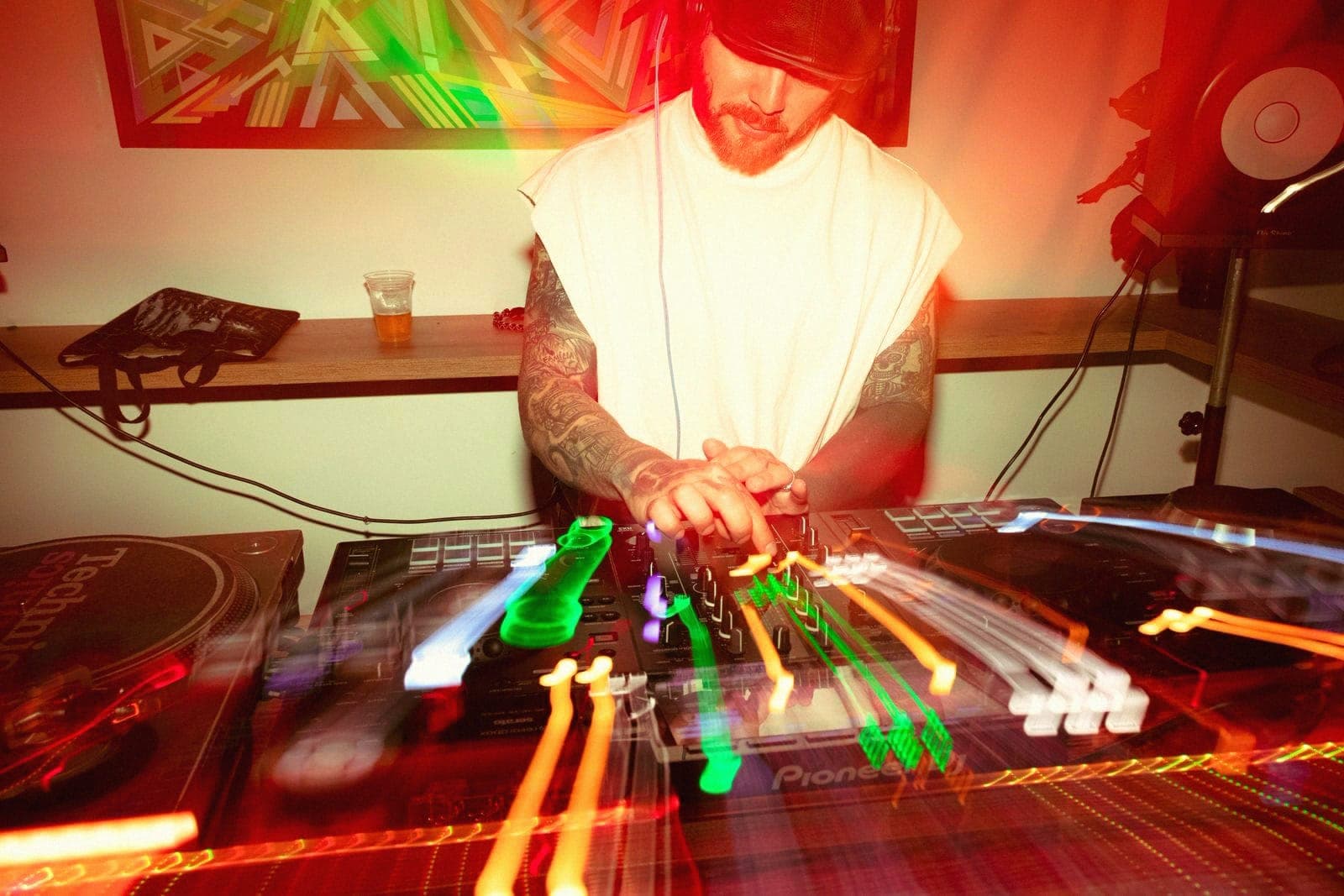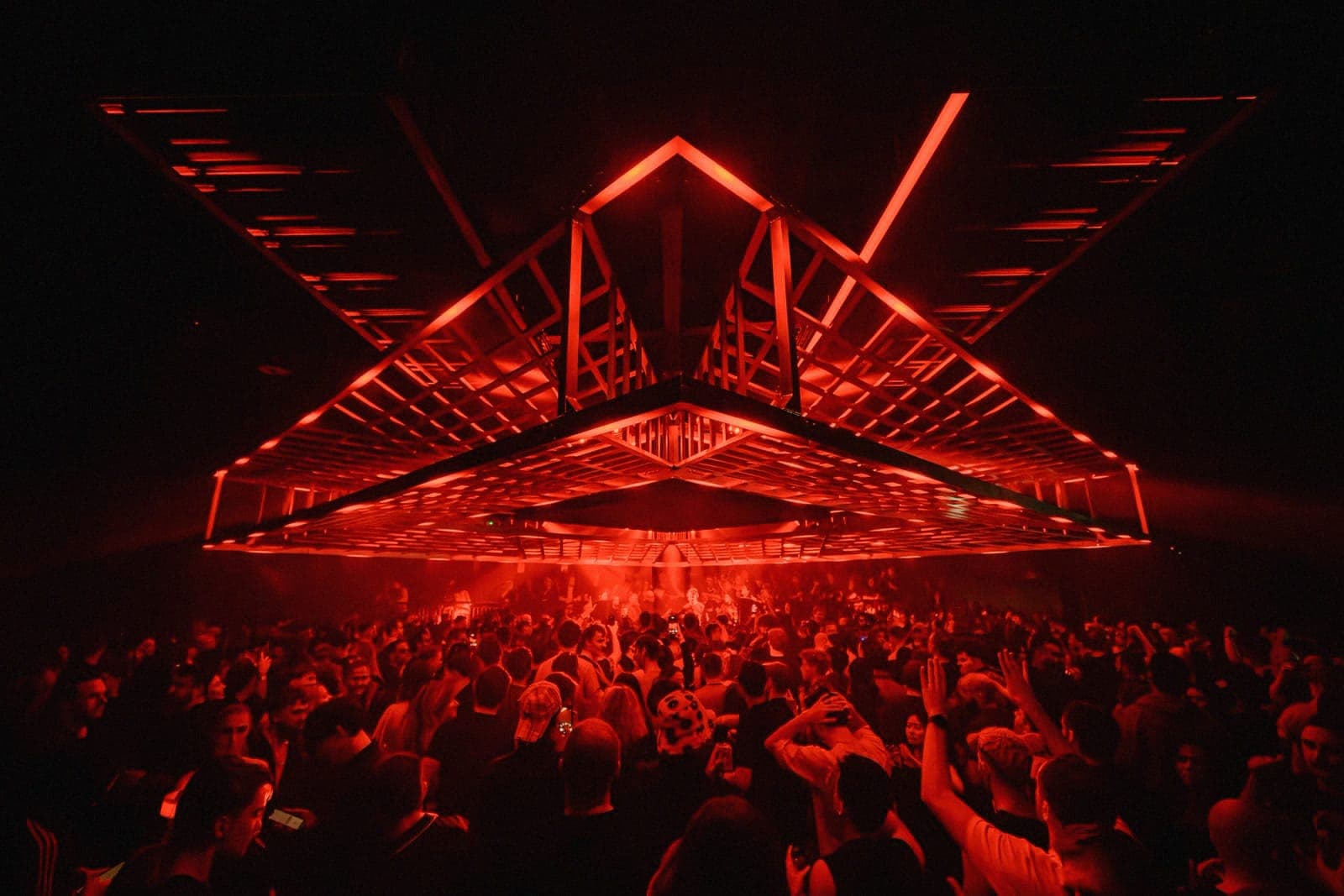
For four decades, Keith McIvor bought records the way most DJs wish they could: without a genre, a scene or a decade to stay loyal to. As JD Twitch, he built Optimo (Espacio) with Jonnie Wilkes into one of the UK's defining club nights, a Sunday residency at Glasgow's Sub Club that trained a generation to expect a DJ set to swing from post-punk to electro to deep house in a single hour and never feel like a stunt. He died in September 2025, aged 57, from glioblastoma. Now the collection he built on that premise, somewhere between 7,000 and 8,000 records, is about to walk out the door into other people's bags.
Why is the collection being sold, not kept?
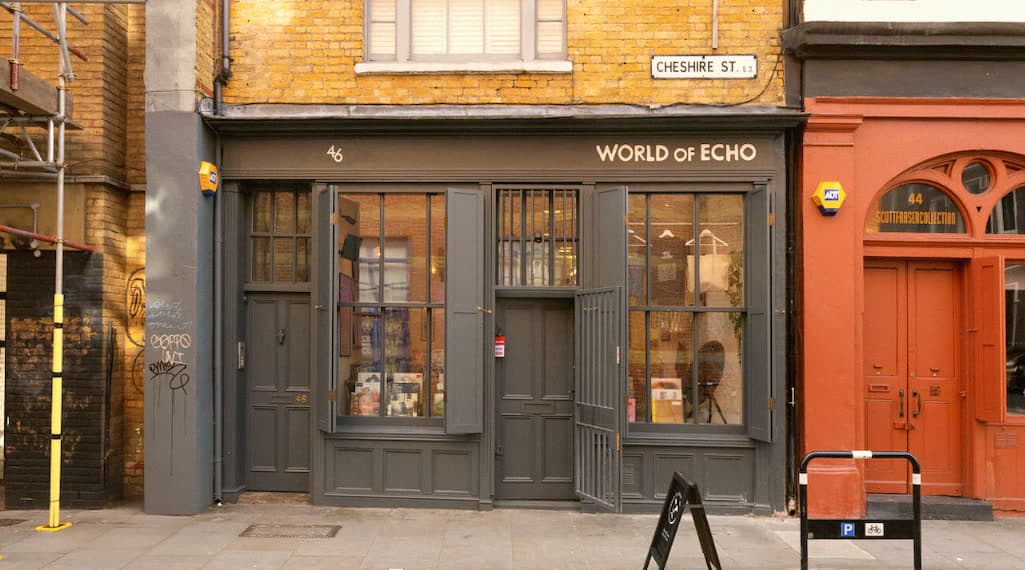
That's the part that makes this a story rather than just an estate sale. World of Echo, the record shop on Cheshire Street in Shoreditch, is handling the first instalment: in-store only, November 14 to 19, 2026, doors from 10am. A second batch follows in 2027. Every sleeve gets a 'World of JD Twitch' sticker marking where it came from, and whatever doesn't sell by the 19th simply drops into the shop's ordinary second-hand racks, no ceremony, no vault.
That was the point, according to his widow Marissa Costello. McIvor, she has said, believed records are there to be played, discovered and loved, not catalogued behind glass. A vinyl collection built across thirty-odd years of digging, much of it bought specifically to be played out at Optimo, staying sealed in storage would have been the one outcome he'd have hated.
What does the money actually fund?
Alongside the records, World of Echo is selling memorial fanzines put together by McIvor's friends and family, with the proceeds going to the Keith McIvor Glioblastoma Research Fund. That money backs Beatson Cancer Charity and the Scottish Brain Tumour Research Centre of Excellence, both working on a disease that remains effectively untreatable and killed McIvor less than two years after his diagnosis went public.
Keith believed records are ultimately there to be played, discovered and loved. We wanted his records to find their way into other people's collections.
That's Costello's framing, and it reframes what could read as a straightforward liquidation into something closer to a wake conducted in a record shop: a crate of somebody's taste, literally redistributed back into the scene that shaped it.
Who actually gets a crack at it?
In-store only is a deliberate choice too, not a shrug at e-commerce. It means the first pass at Optimo's late co-founder's library goes to whoever shows up to Cheshire Street during that one week, not to whoever has the fastest checkout script on a drop day. Independent shops outside London are reportedly in line for part of the distribution too, which keeps the collection's afterlife roughly as decentralised as the man who assembled it.