Who is actually buying all this vinyl?
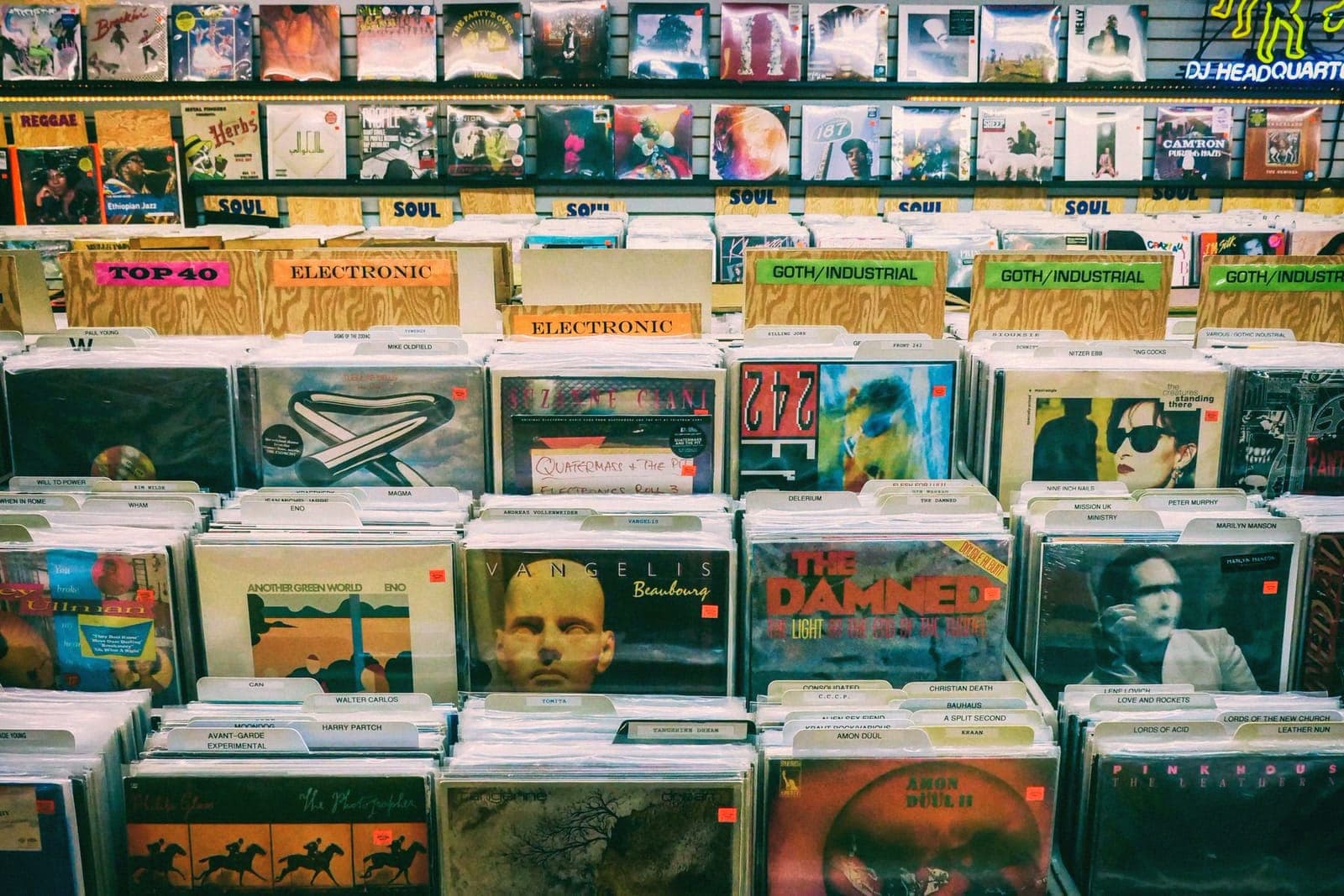
The billion-dollar number is real, and it is mostly pop. Taylor Swift's The Life of a Showgirl sold around 1.6 million copies on vinyl in 2025, and she has now had the best-selling vinyl album four years in a row. Around half of new vinyl buyers are between 18 and 34, and a growing share of what they buy is colour variants, picture discs and limited pressings, bought as much for the shelf as for the turntable. Colour and variant pressings alone now account for close to a fifth of all vinyl produced. That is a collector economy: the record is merchandise, a way to own and support an artist, and plenty of it never meets a needle.
What does the boom mean for house and techno?
Not as much as the headline suggests, because the underground never left vinyl in the first place. For a house or techno DJ, a record is not a keepsake, it is a tool: a 12-inch you beatmatch, a dubplate you test on a system, a small run you sell direct through Bandcamp or Discogs. That economy runs on 300 to 500 copies at roughly ten to fifteen dollars a unit, not on 1.6 million picture discs. The two worlds share the same pressing plants, and that is where the boom actually touches the scene.
When a major orders a million pop variants, the small label pressing 300 club records waits behind it.
That queue is the real story for the underground. Global pressing capacity is concentrated in a few dozen plants, lead times ran to six and nine months during the crunch, and big major-label orders get priority. New capacity from plants like GZ Media and United Record Pressing, plus newer facilities, has shortened independent waits since 2022, but the small house label still lives and dies on plant time and per-unit cost, not on how many colours a pop record ships in.
Is a record you never play still a record?
This is the argument the milestone sets off. One camp sees a billion dollars flowing back into a physical format and reads it as pure good news for anyone who presses records. The other sees merch-grade collectibles inflating a number that says little about whether anyone is listening. Both are right. Vinyl is genuinely healthy, and most of that health is paid for by fans who treat the record as an object. For the scene that actually plays it, the milestone matters less as a headline than as the reason the pressing plants stay open at all.