What actually makes WHOLE different from other techno festivals?
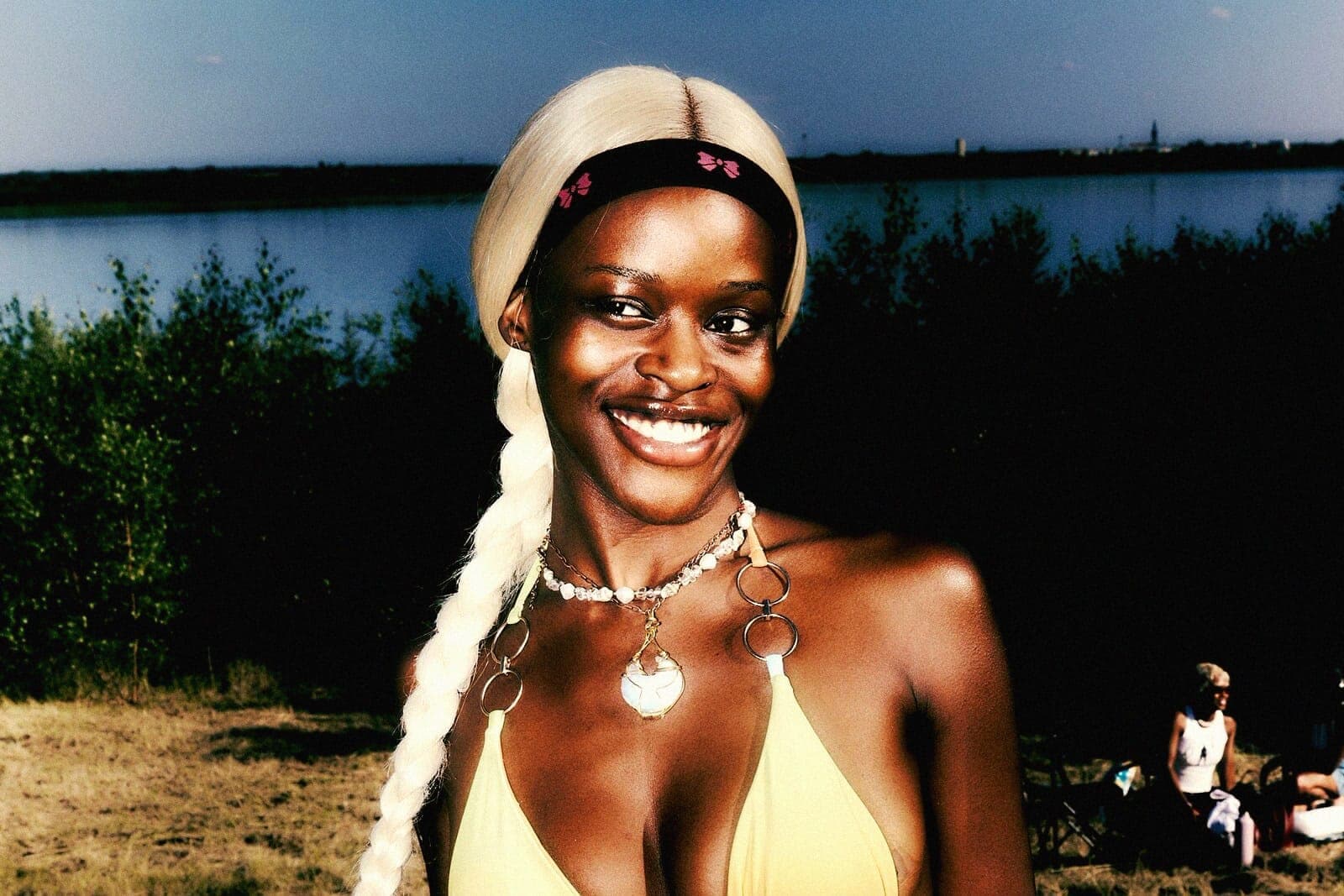
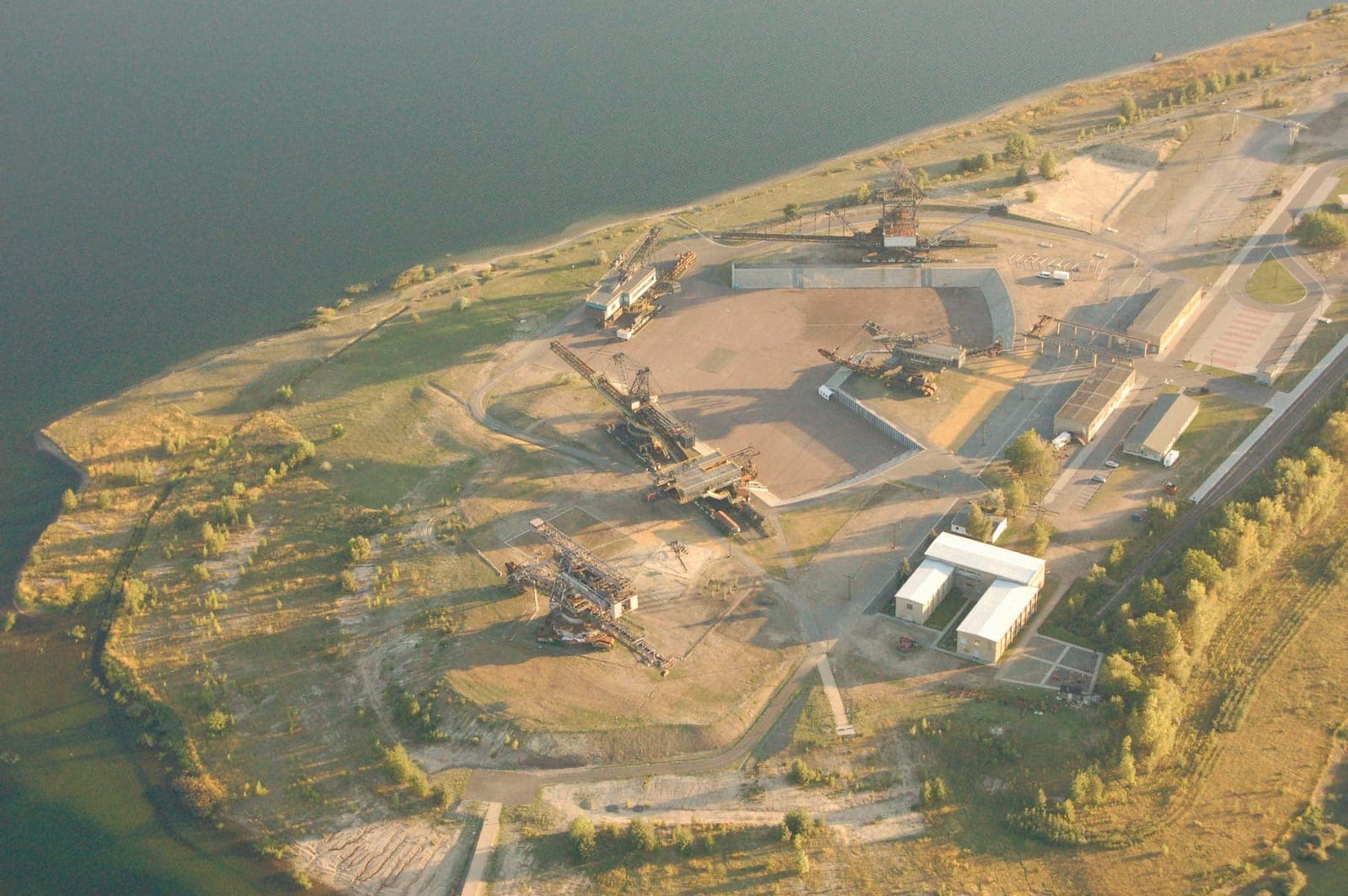
WHOLE Festival doesn't bill itself as a music festival with a queer-friendly vibe. It bills itself as queer infrastructure that happens to have a lineup. Its eighth edition runs from July 17 to 20 at Ferropolis, the former lignite-mining site outside Berlin better known for its five rusted, building-sized excavators than for club culture, and this year the organisers are calling it "Enter The Whole." Capacity is capped at 10,000, a number small enough that the festival can still build the things a stadium-scale event never bothers with: a dedicated FLINTA zone, a pansexual guest area, an expanded Cruising Village, and a Solidarity Program that pays the door for refugees and QTIBPOC attendees who'd otherwise be priced out.
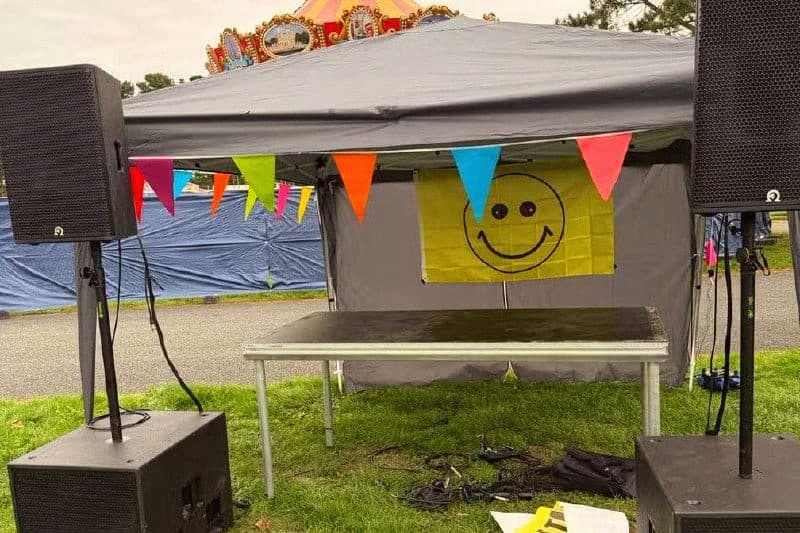
That's the real story here, not the DJ sheet. Plenty of festivals put "queer" in the press release. Fewer build the actual architecture: separate zones sized and staffed for different kinds of safety, a ticketing tier that exists specifically to remove the cost barrier for people the scene claims to serve, and a volunteer structure where the crews running stage builds and village management are the same community the festival is protecting.
Who's playing, and where?
Six stages carry the 187-artist bill: the Arena for hard techno, the Beach for house, plus Crane, Forest, Ambient and Trina. Miss Kittin and Freddy K headline the Arena; Octo Octa closes the Beach with a live set. The rest of the bill reads like a global queer-underground index: Sherelle and HAAi on the harder end, Juliana Huxtable straddling music and performance, plus Jasss, Bashkka, D.Dan, Parfait, Tama Sumo and Gerd Janson. Crews from well outside Berlin get stage time too: Anti-Mass, a collective out of Kampala, and PERVERT, from Mexico City, both curate takeovers alongside longtime Berlin fixtures like Herrensauna, Gegen and Cocktail d'Amore.
Why build a cruising village and a refugee fund into a rave?
Because club safety for queer, trans and gender-nonconforming people isn't abstract, it's logistics: who gets groped at the bar, who gets stopped at the border before the festival even starts, who can't afford the ticket in the first place. WHOLE's answer is to design those problems out at the site-plan level rather than handle them as complaints after the fact. The FLINTA zone and the pansexual area inside the Cruising Village aren't the same space serving the same needs; splitting them is an admission that "queer-friendly" isn't one setting. The Solidarity Program does the same work on the money side, covering entry for refugees and QTIBPOC ravers rather than leaving inclusion to a donation bucket.
WHOLE describes itself as a place "where rave energy meets reflection, and pleasure exists alongside care": a temporary social ecosystem, built each summer, then dismantled.
None of this makes WHOLE unique in wanting to be a safe space. What's unusual is the scale: a 10,000-capacity, 72-hour, six-stage event running the infrastructure a much smaller club night would build for a single room. Eight editions in, on a site whose original job was extracting coal, WHOLE is showing the underground can carry that much weight without losing what made it worth protecting.