Does Ibiza belong to the clubs, or to the island itself?
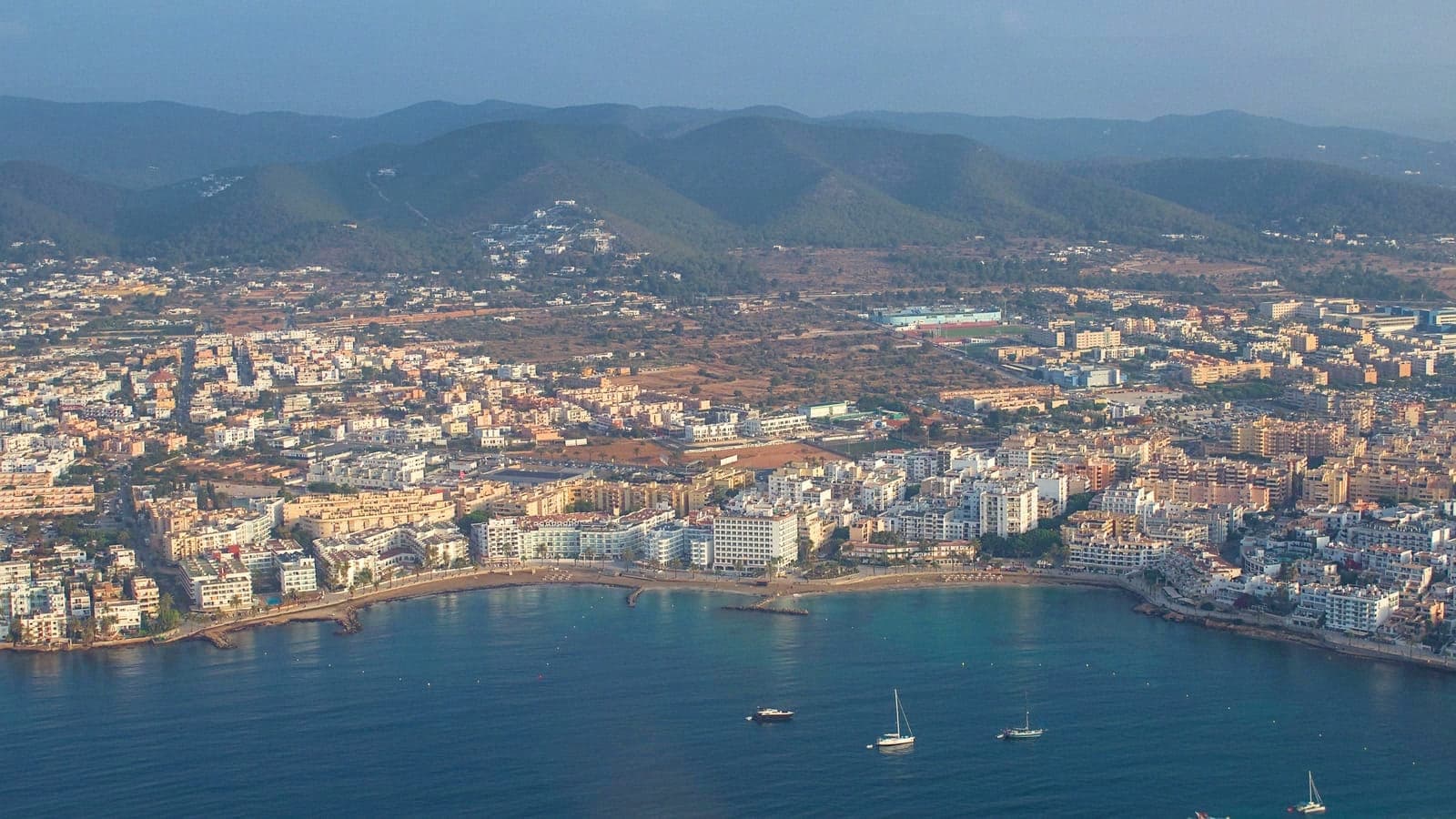
Before there was a club scene, there was an island. Ibiza has been pulling people off the map for three thousand years: Phoenician traders, Roman legions, Carthaginian colonists, hippies fleeing Franco's Europe, house DJs from Chicago and New York who arrived with records and stayed. The scene did not create the magnetism. It arrived and found it already there.
That distinction matters when you try to understand why Ibiza, overpriced, overtouristed, commercially chaotic, still fills every summer, still produces moments that people describe in terms they normally reserve for religious experience.
What is Es Vedrà, and why does it pull people in?
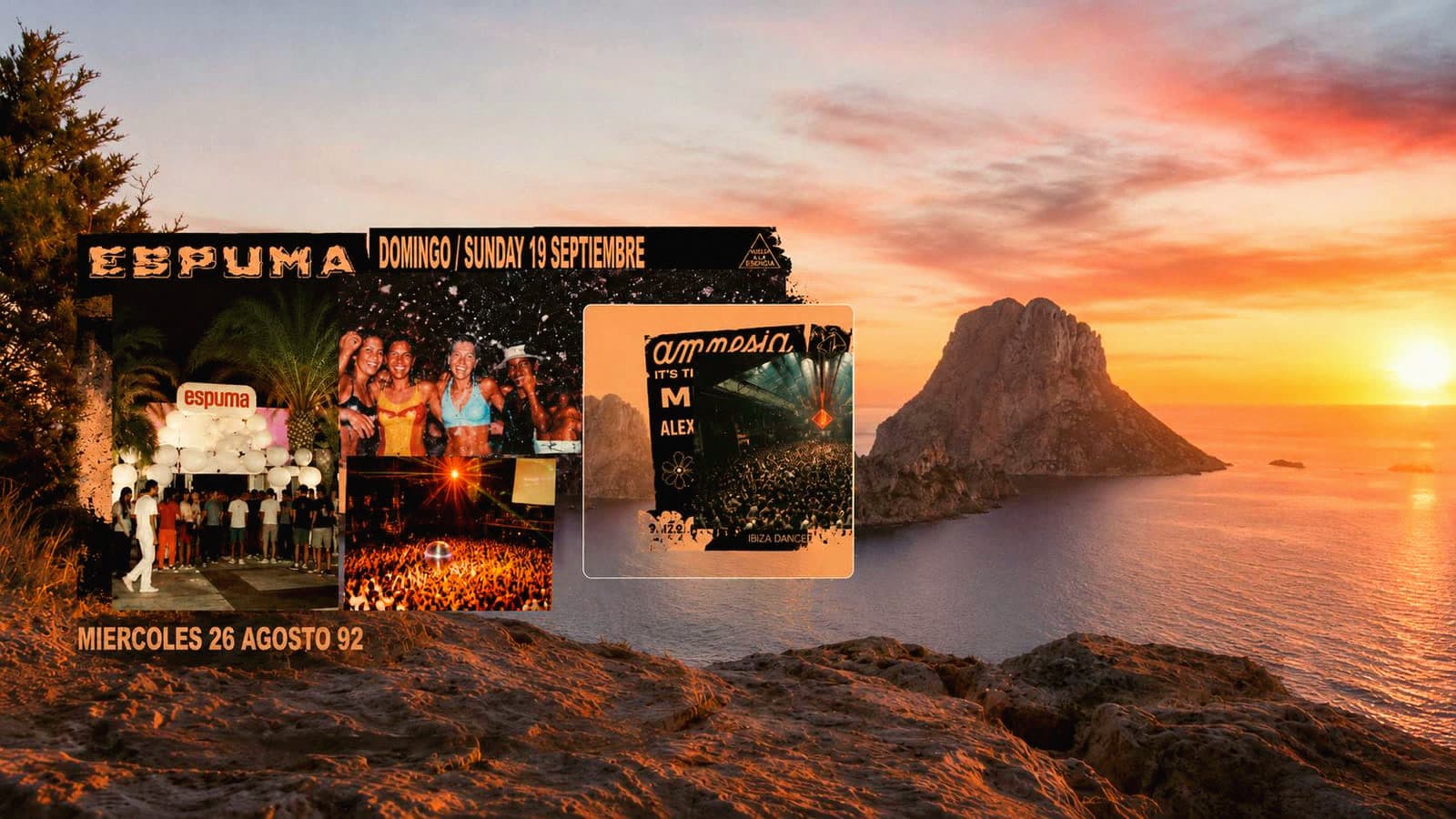
Eleven kilometres off the southwest coast, rising 382 metres straight out of the Mediterranean, Es Vedrà is the thing that does not fit. The island's third-highest point is uninhabited, protected by law, and surrounded by legends that cluster around it like they do around almost nothing else in the Western world. Compasses behave strangely near it. In the 1850s, the Spanish Carmelite mystic Francisco Palau spent time in exile and contemplation there, writing of visions. Sailors have reported instrument anomalies for centuries. The hippies who arrived in the 1960s felt it immediately.
Whether or not you believe the legends, the effect is real. You can see Es Vedrà from the cliffs above Cala d'Hort. People drive to that spot to sit in silence, sometimes for hours. They are not sitting across from a nice view. They are sitting across from something that feels (there is no more accurate word) charged.
This is the context in which Ibiza's music scene happened. Not a neutral venue. A place that already had a frequency.
How did house music find this island?
The Phoenicians named the island Ibosim. The Carthaginians built a city on the hill above what is now Dalt Vila, the walled old town that still stands. The Romans came, the Moors came, the Aragonese came. Each found the island worth fighting for, not for its farmland or its ports, but for its position, its light, and what it felt like to be there.
The modern myth begins in the 1960s. Hippies arrived from across Europe, many through Formentera, drawn by cheapness and rumour and something harder to name. Bob Dylan came. Joni Mitchell. Pink Floyd spent time recording nearby. The island tolerated them, then absorbed them. The freedoms they were looking for, to live outside the European social contract, to take drugs without consequence, to create without an audience, were available on Ibiza in a way they weren't anywhere else in the Mediterranean.
DJ Alfredo arrived from Buenos Aires in the 1970s and never left. As a resident at Amnesia from 1976, he invented the Balearic beat not as a genre but as an attitude: play what the night requires, genre aside. Soul, African rhythms, pop, proto-electronic, whatever arrived at the right moment. He died on 24 December 2024, aged 71. The mourning was global and disproportionate to his mainstream profile, because the scene understood what was being buried: not a DJ, but the original Ibiza logic.
What are rising prices doing to the dream?
Nearly 3.7 million people passed through Ibiza and Formentera in 2025. Club ticketing hit 160 million euros, double a decade ago, driven entirely by price, not volume. A night that cost 120 euros per person in 2015 now costs 270. VIP table minimums start at 800 euros.
This is not abstract. When a young DJ from Rotterdam or Lagos or Seoul reads that the scene they have heard about their whole life starts at 800 euros before a first drink, the island starts to close its own door. The magic always had an implicit class structure. What has changed is that the structure is now explicit, expensive, and making no effort to pretend otherwise.
«Ibiza changed. We didn't.» Amnesia's rallying cry for its 50th anniversary. Fifty years in, the club is not trying to move with the market. It is holding its line. The question is whether the market can still hear it.
Why do people keep coming despite it all?
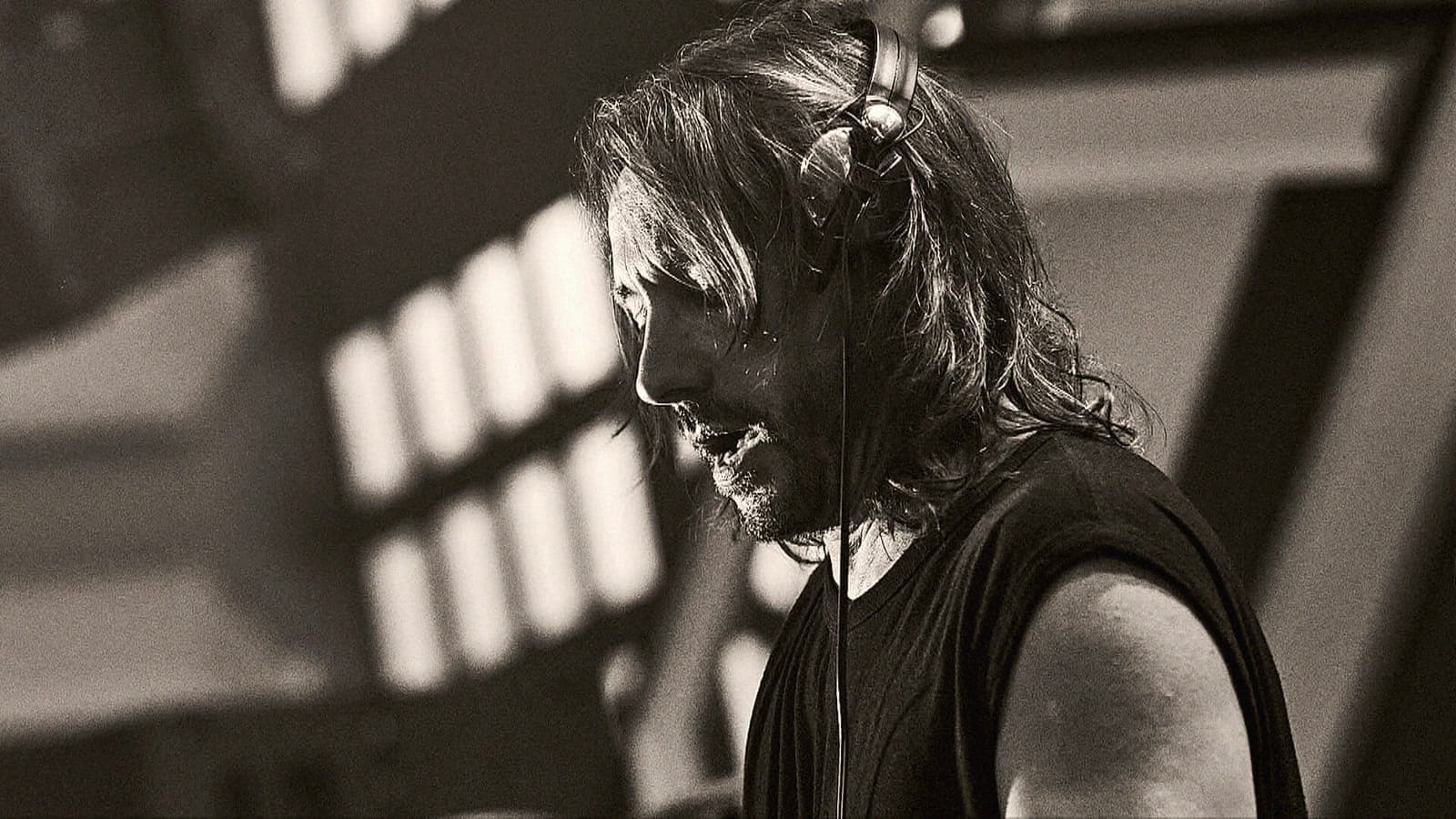
DC-10 is selling out Circoloco Mondays for its 27th consecutive season. Carl Cox, at 63, commits to 16 consecutive Sunday nights at UNVRS and goes all night every time. Seth Troxler, after a decade as a DC-10 resident, paid 10 euros per hour out of his own pocket to rescue vinyl from a September 2025 flood. These are not the gestures of people who think the party is over.
The most hopeful development is 96 square metres called Tomodachi. No phones. No VIP. Warm light, an analogue TPI sound system, DJs booked for what they play rather than what they post. Founded by Danny Miller of Real Gang, Tomodachi lands in the most commercialised square kilometre in dance music and holds a different frequency. That it survives here tells you something about the island.
The IMS Business Report 2026 chose its theme carefully: Reclaim the Dancefloor. An industry worth 15.1 billion dollars, publicly acknowledging that something was lost and needs taking back. Ibiza reads the same way. But the island's bet (and it has always been a bet) is that Es Vedrà is still out there, that the light off Ses Salines still hits the same way it always did, that the terrace at DC-10 still faces the same sky.
The prices can rise. The clubs can commercialise. The island does not move.
That is the only answer Ibiza has ever given to the people who declare it finished. Not a better club. The same island.