What exactly did Yamamori agree to?
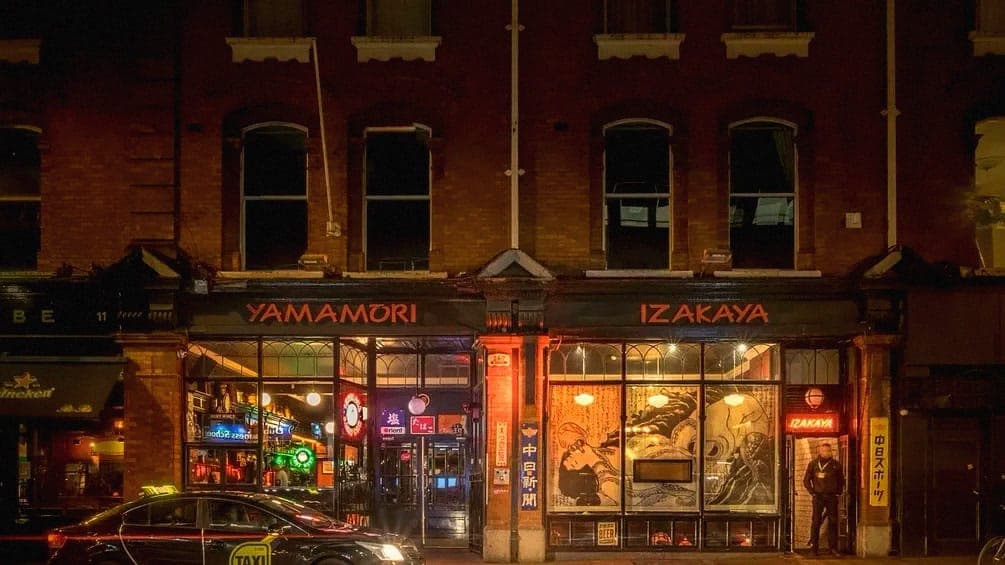
Yamamori Izakaya, the Japanese izakaya and music room on South Great George's Street, will pull the plug on all DJ and nightclub events from 19 July 2026. The restaurant keeps trading to the end of the year, and the operators say a new venue will be announced in the coming weeks. The deal ends a months-long High Court fight with Trinity Hospitality, the company that leases the Hoxton hotel right next door. After a two-day hearing, Judge Oisin Quinn was told on Friday 26 June that both sides had settled out of court. For a room that has run nightly sets for roughly 15 years, the settlement reads less like a truce and more like a slow fade to silence.
Why does this fight feel so familiar?
Because clubbers have watched this exact film before. A venue runs for years, a hotel or an apartment block opens next door, and then the newcomer complains about the noise it chose to move in beside. Trinity Hospitality told the court that late-night music had cost it up to 300,000 euros and forced it to take 31 of its 129 rooms out of service, and it pushed for sound monitoring and limiters. Whatever the legal merits, the shape of it is the agent-of-change problem that has cost the underground rooms from London to Berlin: the party was there first, and it still loses.
It's insane that the interests of a soulless English hotel chain are put before that of a long-standing, independent Dublin business.
What does this mean for Dublin?
Dublin has spent years watching its late-night spaces thin out, and Yamamori was one of the few central rooms where a local or emerging DJ could play house, techno or disco any night of the week. Its crowd did not go quietly: a protest rave filled the street outside the hotel back in February. The promise of a new venue matters, but a relocation is not a rescue, and no address or date is confirmed yet. For now, one more grassroots floor goes dark because the neighbour with deeper pockets asked for quiet.


