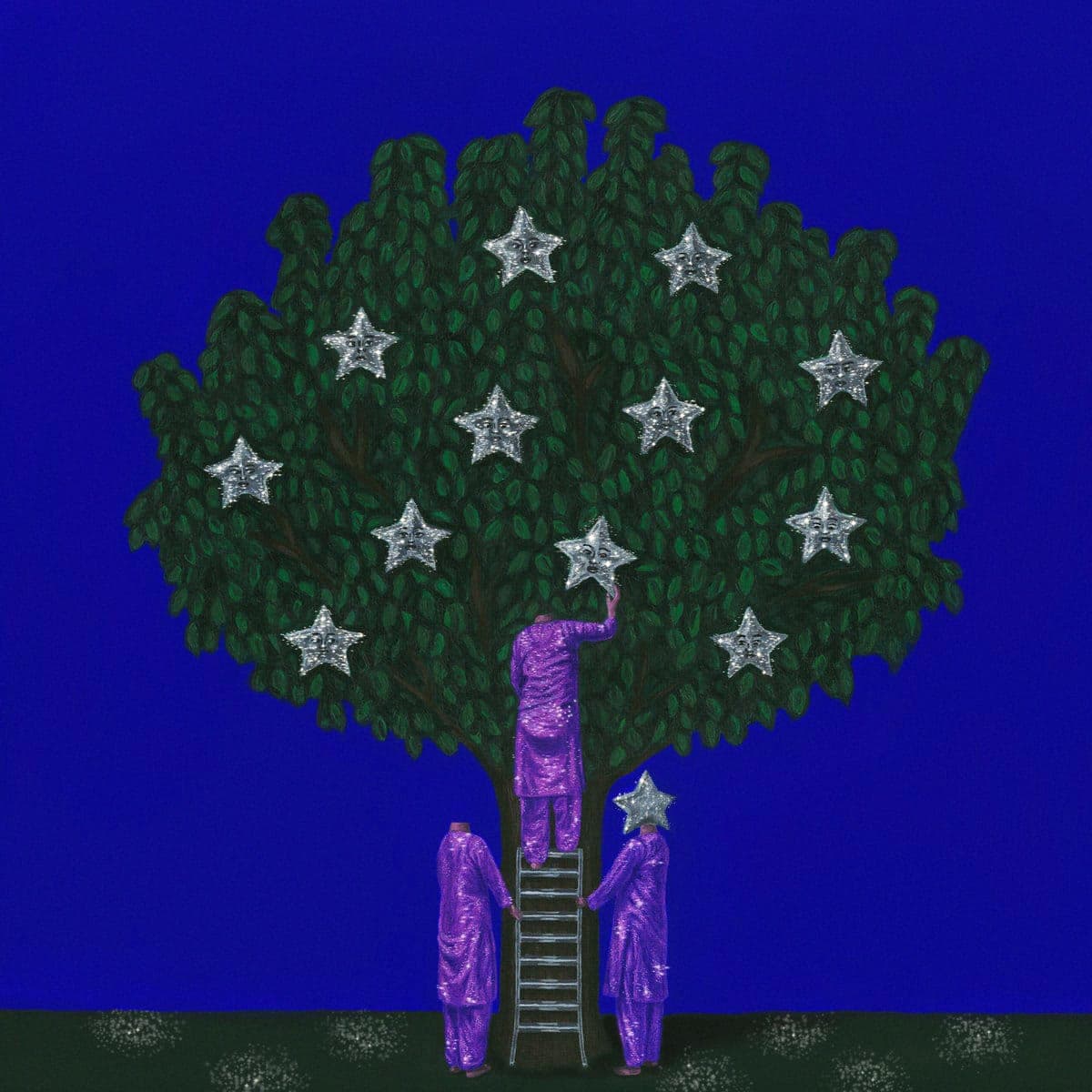
Why name a dance EP after a street in Lahore?
Canal View is the neighborhood ZAINAB grew up in before her family moved to New York, where she's now based in Brooklyn. Naming her debut EP after it is a deliberate anchor: this isn't a producer borrowing South Asian textures as seasoning, it's a specific place standing in for a specific person. The EP arrives August 14 on Technicolour, Ninja Tune's dance-focused imprint, and folds her Lahore childhood and her New York club years into one record rather than treating them as separate chapters.
How does "Banglahore" actually work as a collaboration?
The title splices Bangladesh and Lahore together, naming the two home cities of ZAINAB and her collaborator on the track. It's a small piece of wordplay standing in for something bigger: a Pakistani and Bangladeshi artist building one track together despite a long, difficult political history between their two countries. That framing does real work here, the collaboration is the point of the song, not a guest verse tacked on for reach.
Why does the language on a dance track matter?
Urdu is spoken by roughly 246 million people worldwide, and it almost never appears in club music, which defaults to English even when the producer behind the board doesn't. "Jadoo," the EP's lead single, carries lyrics written and sung entirely in Urdu. ZAINAB also runs Azadi, Urdu for freedom, a party series and future label built explicitly around that same diasporic sound, so Canal View reads less like a one-off statement and more like the first record inside a larger project she's building.
"I see the EP as an amalgamation of Lahore and New York: looking back and forth between both places and asking what those sounds become when they come together."