What exactly is opening, and where?
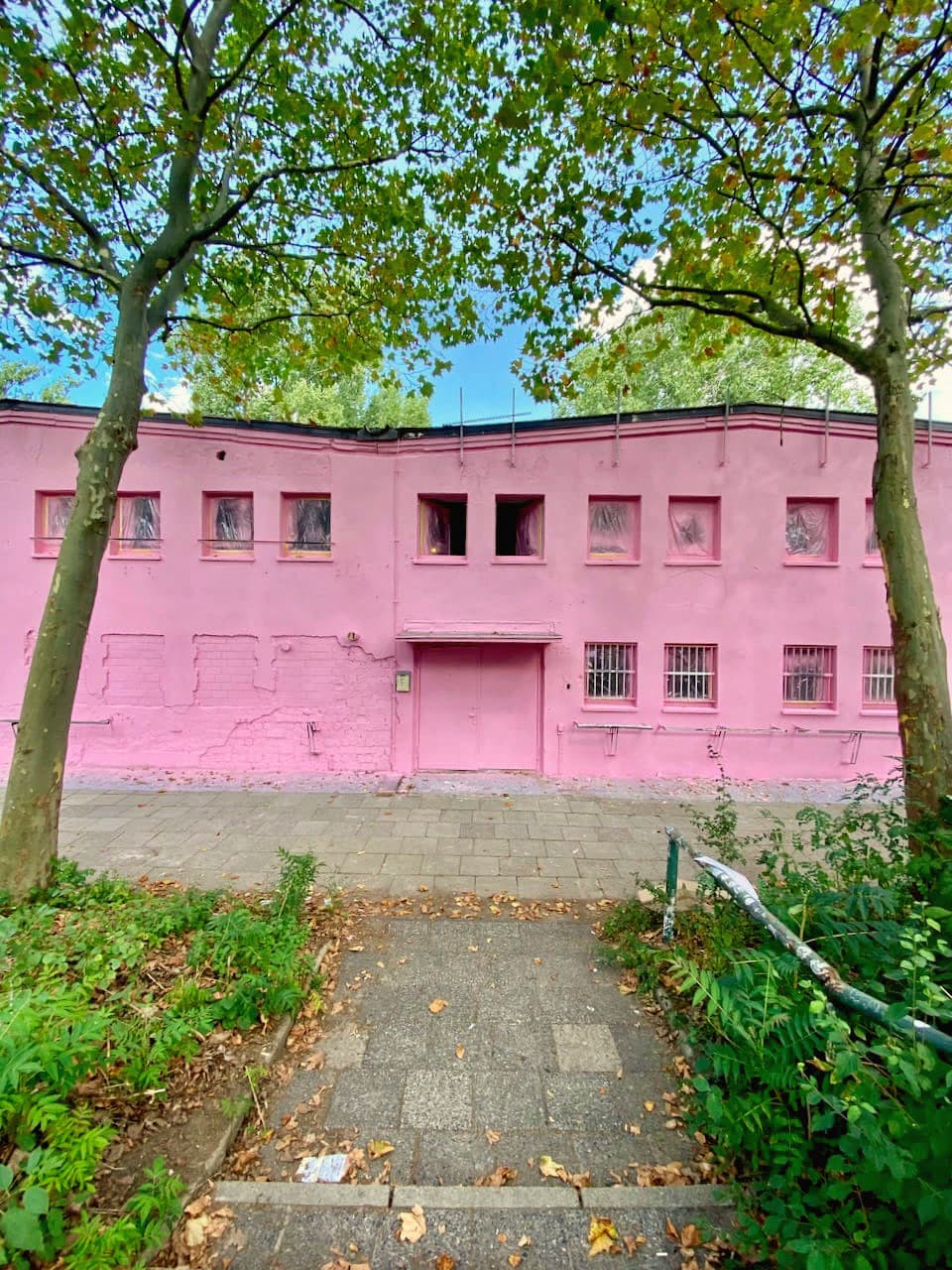
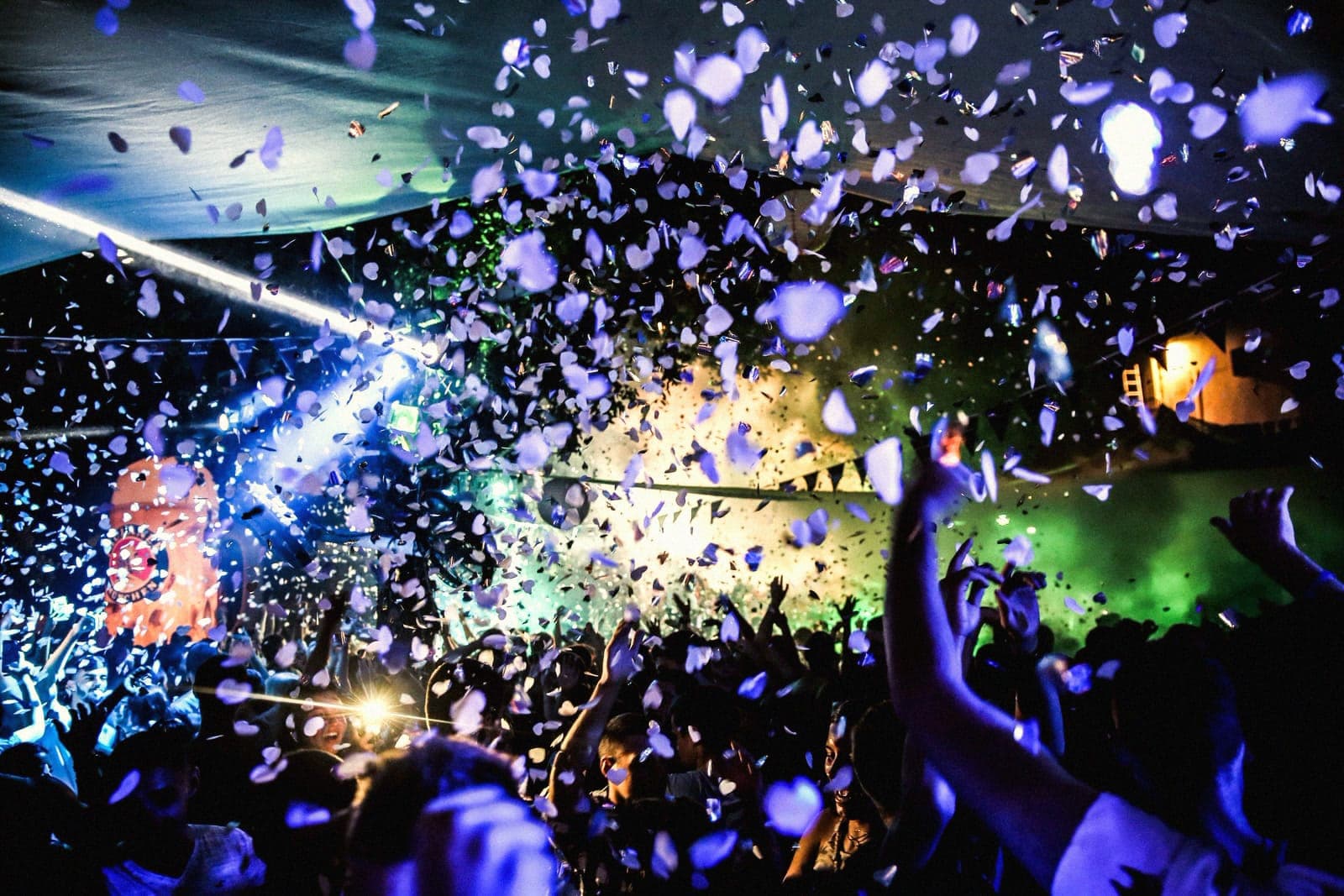
[119] opens its doors on Friday, October 23, at Storkower Strasse 119 in Berlin-Prenzlauer Berg, with an opening party booked to run from 10pm straight through to 10am Saturday. The club splits across two rooms. Block, the smaller of the two, runs house and techno with Traytex, Shanda, Rill, Hontas, TRIS and BBetriebswirt behind the decks. Halle, the bigger space, hands the night to live sets from DEV and Choreophila. Outdoor areas are slated to open next summer.
The opening lands [119] in increasingly crowded company. Walk down Storkower Strasse and you pass ROSA, the kink-focused club that opened in September inside the old Mensch Meier building, and DSTRKT, which took over the former Anomalie Art Club space. Three electronic venues, effectively one stretch of road, in a city that spent most of 2023 to 2025 talking about the opposite problem.
Why does this specific address matter?
Storkower Strasse 119 was, until last year, the home of Kirche von Unten (Church from Below), one of the more stubborn names in East German opposition history. KvU grew out of 1987's alternative "Kirchentag von unten," a parallel, grassroots church congress organized in East Berlin by people who thought the official Protestant leadership was too cozy with the state. It drew more than 6,000 people at a moment when gathering 6,000 people for anything the Stasi hadn't approved was itself an act of defiance. KvU kept going well past reunification, relocating more than once as Berlin's property market worked its way through Prenzlauer Berg: out of its earlier home near Mauerpark after a landlord dispute, into office space at Storkower Strasse 119 in 2014.
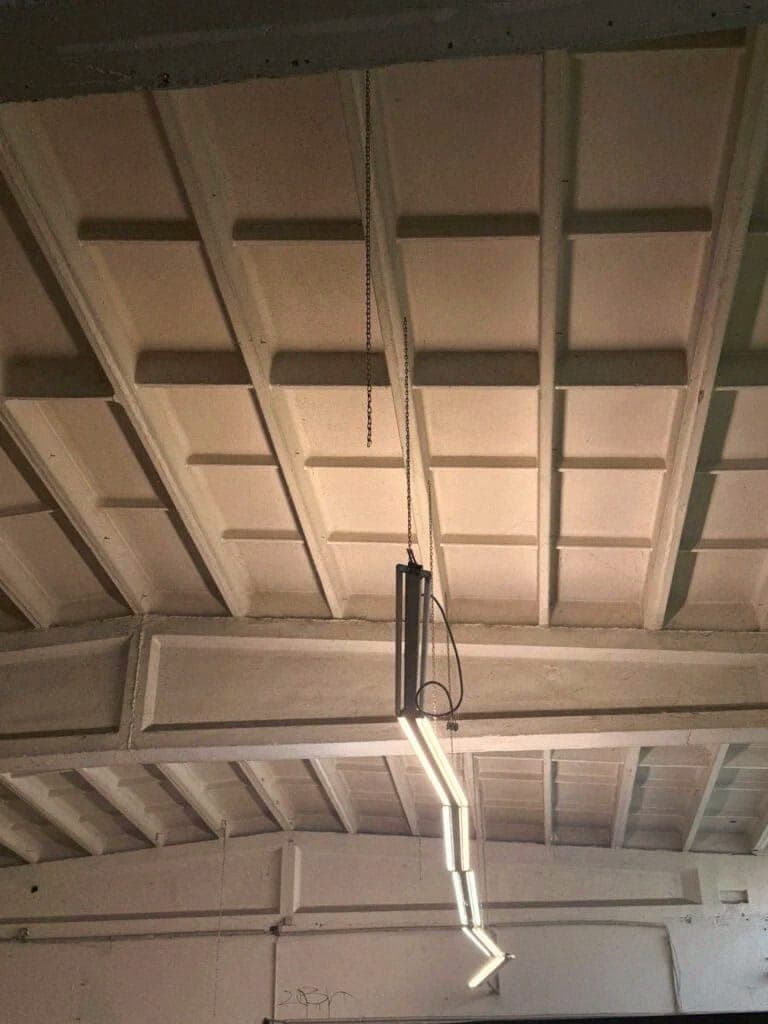
It didn't end there. KvU was handed a termination notice on the Storkower Strasse building, with the two sides disputing whether six weeks or six months of notice applied, and had vacated entirely by the end of March 2025, resurfacing in Tiergarten by that May. The building belongs to Delphi Vermoegens- und Verwaltungsgesellschaft, a firm founded by Rolf Wegener, who drew scrutiny in 2010 over financing the FDP in North Rhine-Westphalia. [119]'s operators, who haven't put their names to the project, say they've kept pieces of that history visible on purpose: East German-era fluorescent light fittings left in place, patched walls left showing their patches rather than smoothed over.
Counter-narrative, or just the same story with better lighting?
Berlin's club closures aren't a rumor. Mensch Meier, two doors down from [119], shut in December 2023 as leisure habits shifted and running a club got more expensive than the door take could cover; it reopened, eventually, as ROSA. Against that backdrop, a brand-new two-floor room with a 12-hour opening set is a genuinely rare thing to see right now, and it's fair to read it as a vote of confidence that there's still a dancefloor-shaped hole in this city worth filling.
But the building's own backstory cuts the other way. The space [119] is moving into is empty specifically because the group that gave it decades of political meaning got pushed out by a landlord dispute. Keeping the old light fittings is a nice gesture. It doesn't undo the eviction that made the room available in the first place.
"We wanted culture to come back to this location," the new operators have said of the move.