What is Resonance, exactly?
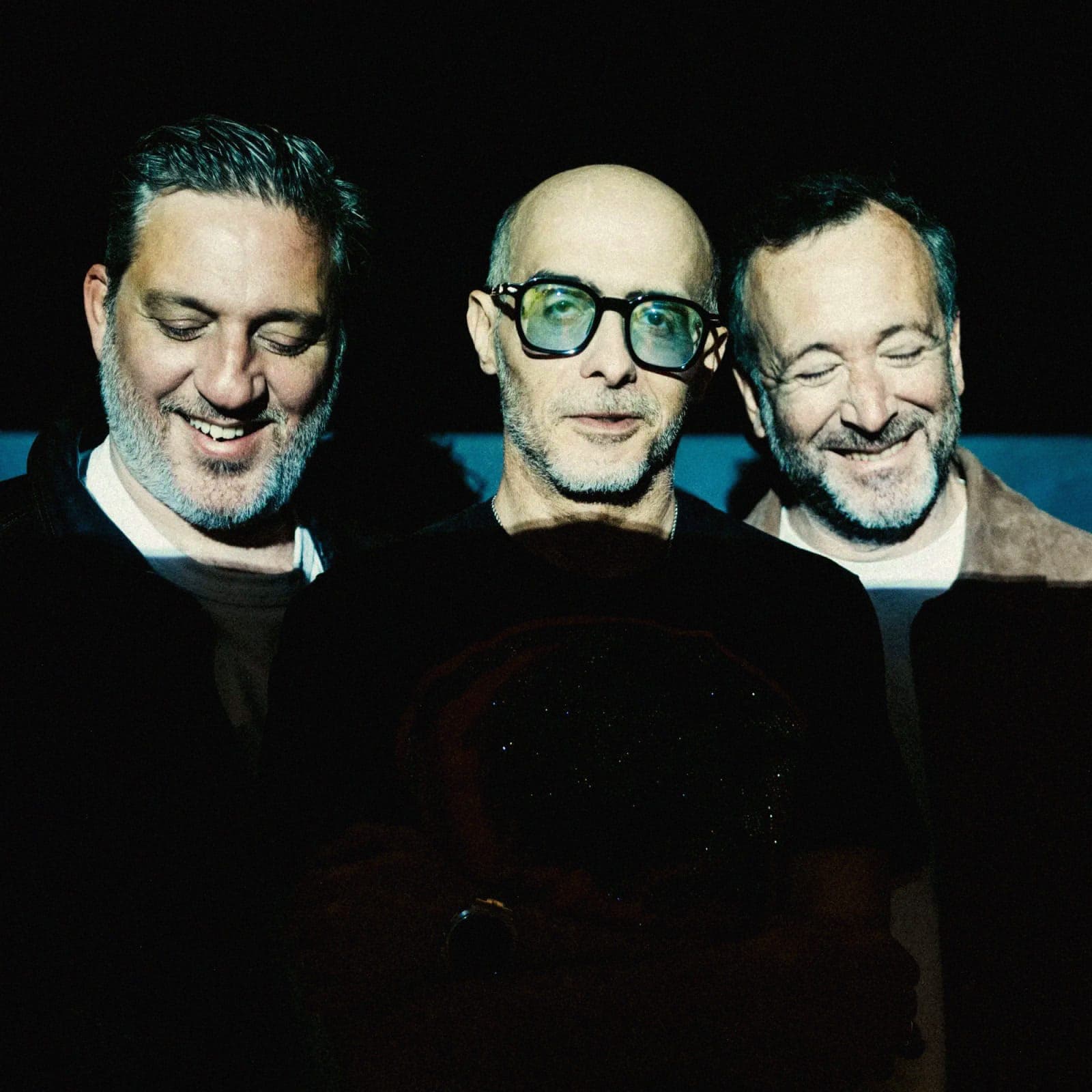
Resonance is the fourth album from Acid Arab, the Paris collective that has spent more than a decade splicing acid, house and techno with the music of the Arab world. It landed on 19 June 2026 through the French label All Night Long, on vinyl and digital, and runs to 16 tracks. Where a weaker project would treat that brief as exotica, founders Guido Minisky and Hervé Carvalho build the record around real singers and players, then let the 303 and the drum machines answer back. Acid lines coil around raï, chaâbi and Levantine melody, the kick stays four to the floor, and the voices carry the room somewhere else.
Who are the voices on the record?
The guest list is the album. Algerian raï veteran Sofiane Saidi returns, alongside Lebanese singer Yasmine Hamdan, Damascus electro-chaâbi artist Wael Alkak, Moroccan vocalist Ghita Lahmamassi, Algeria's Cheba Ibtissem, Syria's Zeina Aftimos, Turkey's Cem Yildiz and Spanish singer and actress Najwa Nimri. The first tracks out were 'Yasmine Alsham' with Wael Alkak and 'Goulou Marhaba' with Ghita Lahmamassi and Sofiane Saidi, with 'Ma7boubi' featuring Zeina Aftimos pushed as the focus cut. Every track is a duet between a machine and a human voice, and the machine usually blinks first.
Why does a French collective playing Arabic music still matter?
Acid Arab have heard the appropriation question for a decade, and they answer it by handing over the mic. Minisky and Carvalho are DJs, not frontmen, and Resonance keeps them mostly off to the side while the guests sing in Arabic, Turkish and Spanish. The duo frame the project as a dialogue rather than a costume.
Sharing music and sharing cultures means sharing love and mutual respect.
That is the easy thing to say and the hard thing to do across 16 tracks and a dozen collaborators. Resonance mostly does it, because the credits, the stage time and the songwriting all go to the people whose traditions the record borrows from.