What actually happened at LuminAir on October 22?
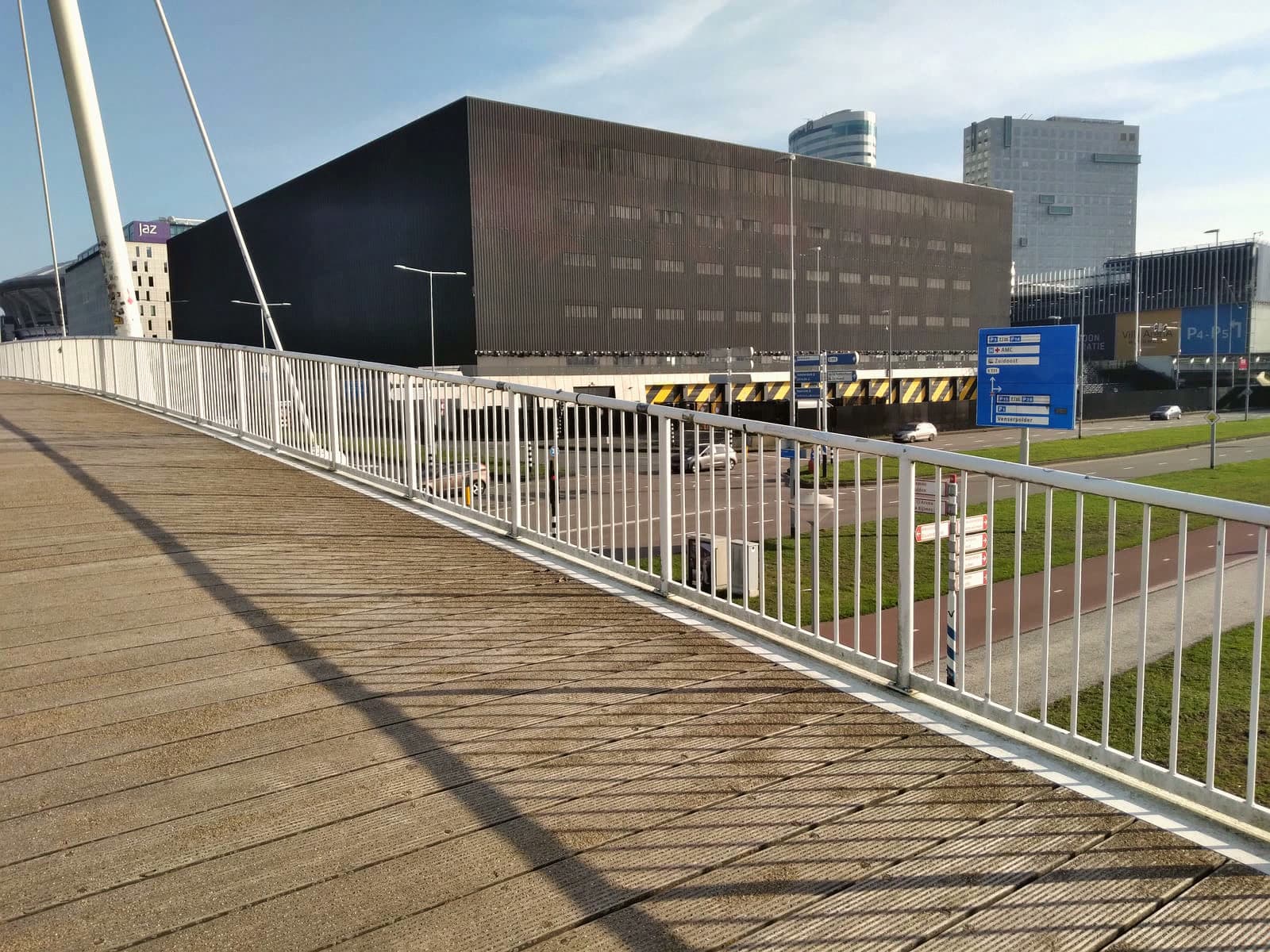
ADE week put Afro house on the 11th floor. LuminAir, the rooftop room atop the DoubleTree by Hilton Amsterdam Centraal Station, hosted two connected but distinct programming blocks on the same day, run by the same organizers. From 2pm to 7pm, MOSOM (My Other Side of The Moon) and Vibora ran the Afro House Summit itself: an industry-only afternoon of DJ sets, A&R sessions and a dedicated industry mixer, open on guest-list registration to label reps, managers, brand partners and emerging artists. Its own bill was headlined by CIZA and Eran Hersh, with special appearances from Sofiya Nzau and Idd Aziz, inside a roster of more than 20 names pulled from Kenya, South Africa, Portugal, France, Italy, Hungary, the US, Mozambique and the Netherlands.
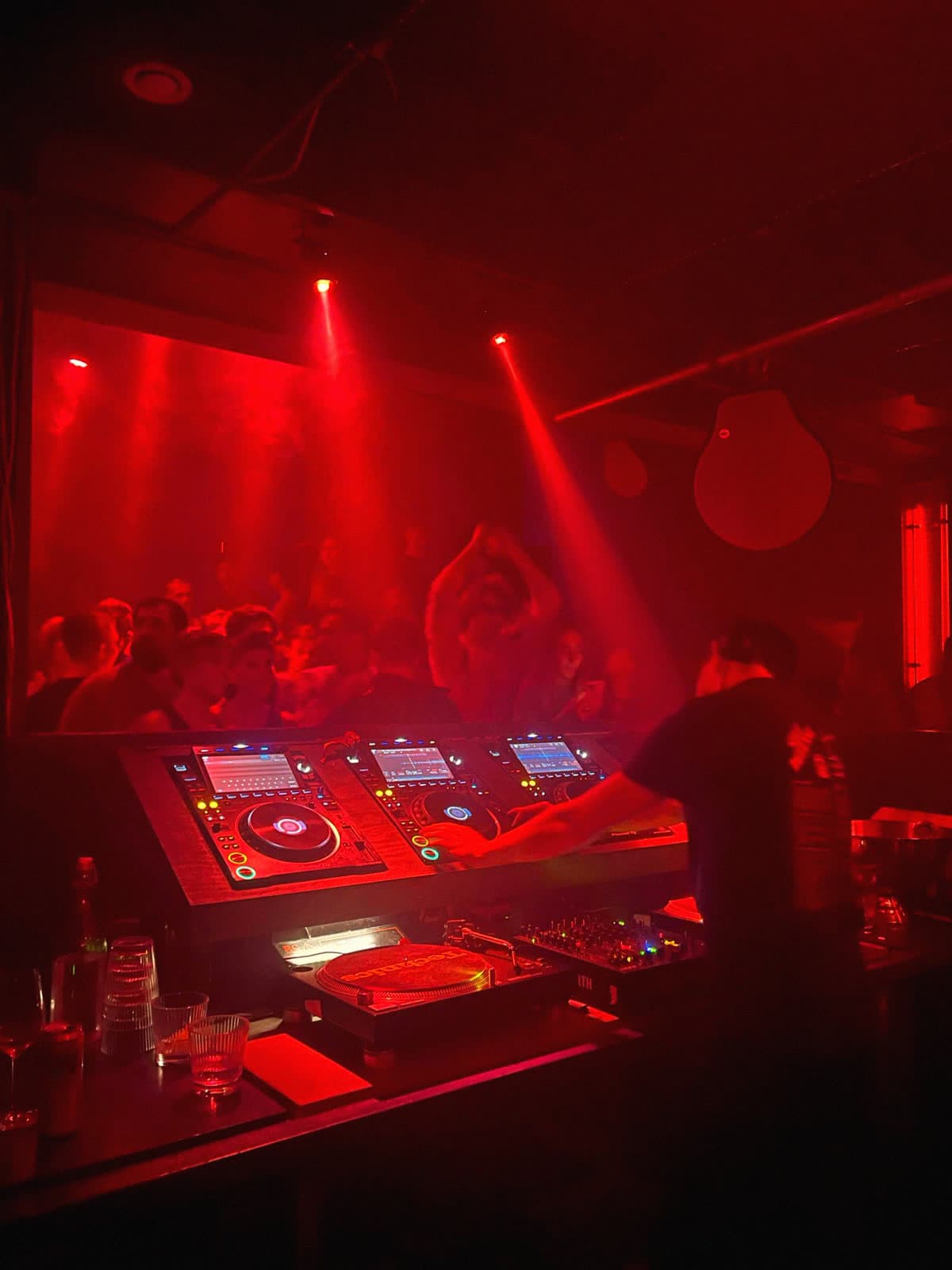
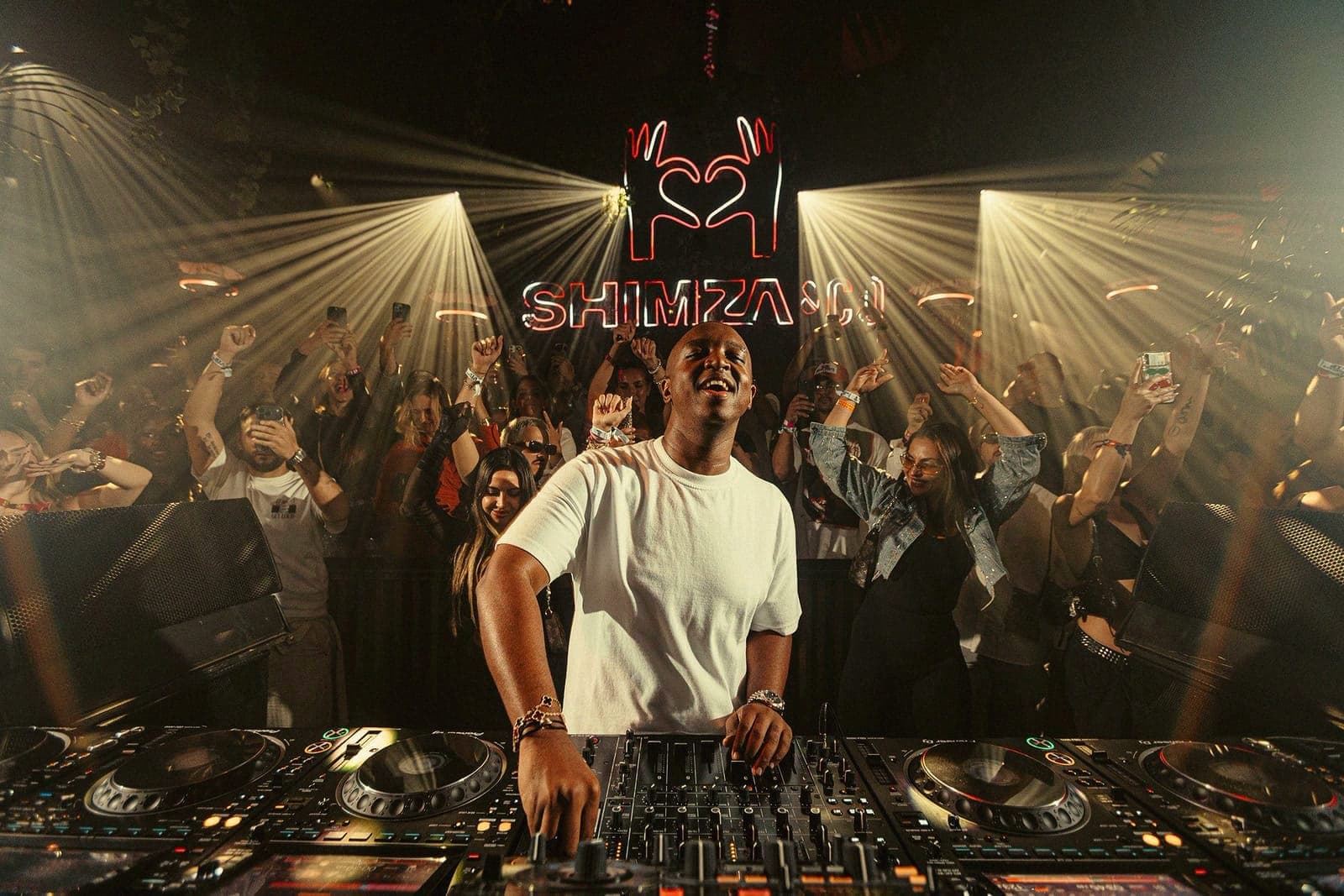
At 7pm the room turned into a party. MOSOM, Vibora and Berlin-based RISE took over for a showcase running until 2am, with Hyenah, Oskido, DJ Tomer, Deniz Reno, Glauko, Neil Amarey and Wilson Kentura behind the decks, a lineup drawing specifically from Mozambique, Berlin and the wider Afro house diaspora.
Why does an industry summit matter for a dancefloor genre?
Afro house grew up informally: township clubs, diaspora WhatsApp groups, SoundCloud edits, a festival stage here and there. What MOSOM has now built for a second straight year at Europe's largest dance music event is something else entirely, a repeatable room where labels and A&Rs can actually do business instead of chasing each other through hallway conversations. That's the real shift between 2025 and 2026: last year the Summit proved there was an audience (more than 1,000 people showed up). This year it got five dedicated hours of conference programming before the first DJ set of the party even starts.
Billed by its own organizers as "more than a music event," the Summit's program copy leans hard into the origin story: celebrate the genre's African roots and its growing international influence.
That tension, formal A&R meetings on a hotel rooftop versus a genre that still carries the sound of township and diaspora clubs, is exactly what institutional foothold looks like. It is not a betrayal of the roots; it is the roots getting a seat at ADE's table rather than a leftover slot on the fringe program.
What does the lineup say about where the genre is headed?
The spread of countries on both bills, Kenyan and South African artists sharing a rooftop with Portuguese, French, Italian, Hungarian and American peers, says Afro house's audience has stopped being a regional story. Oskido, a foundational figure in South African house for three decades, shared a showcase bill with Hyenah, the masked UK-based producer whose deep and organic sound has leaned further into Afro house in recent years, while CIZA headlined the Summit's own industry bill out of Kenya's growing scene. That cross-pollination, veteran South African house alongside European diaspora producers and a new generation of East African talent, is what MOSOM is now formalizing into an annual fixture rather than a one-off party.