For nine years, AfroFuture meant one thing: a single stadium weekend at El Wak, Accra's biggest annual party, built and struck down like a travelling circus. This December, that weekend isn't happening. Instead, the Ghanaian promoter is opening a building that stays up all year.
What exactly is AfroFuture giving up?
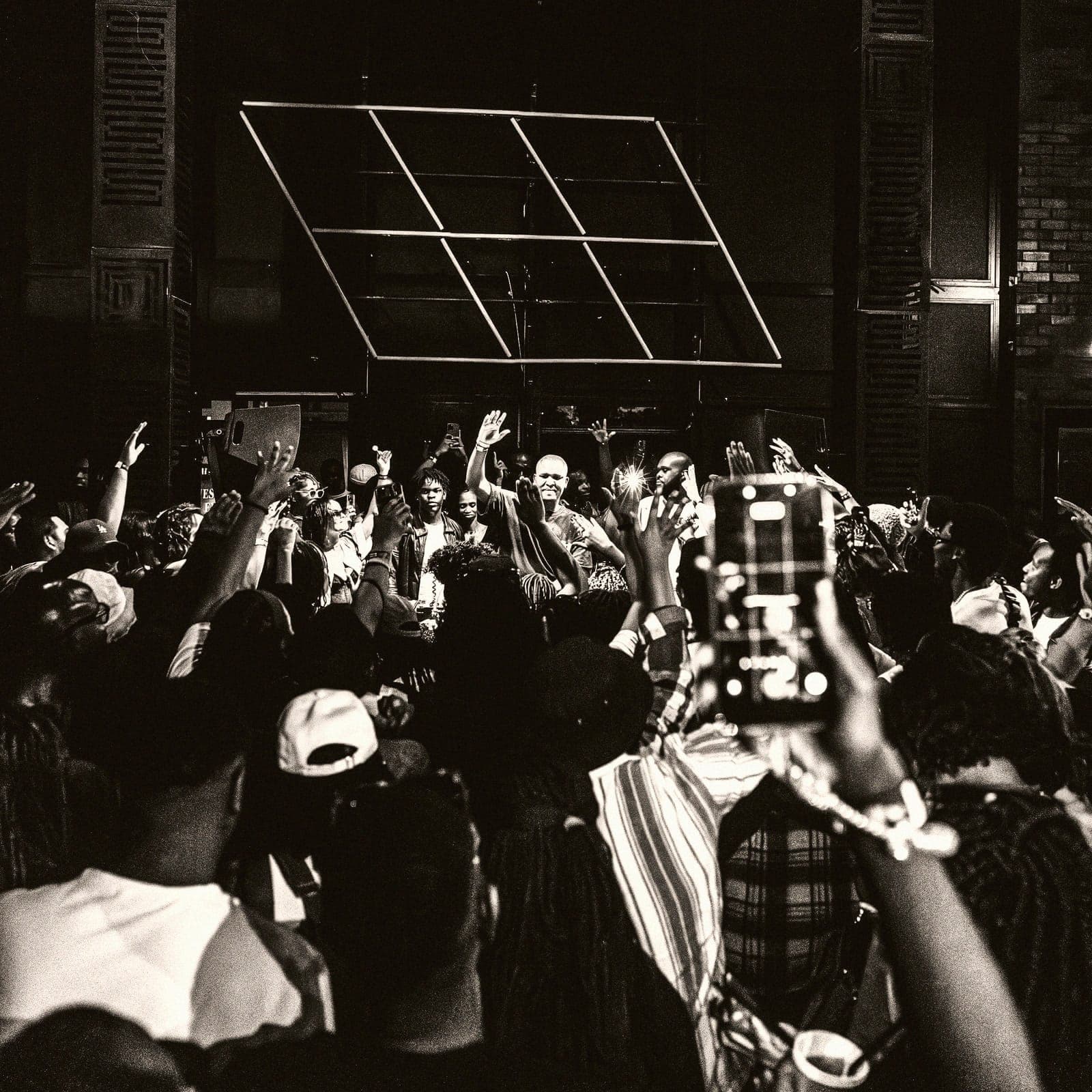
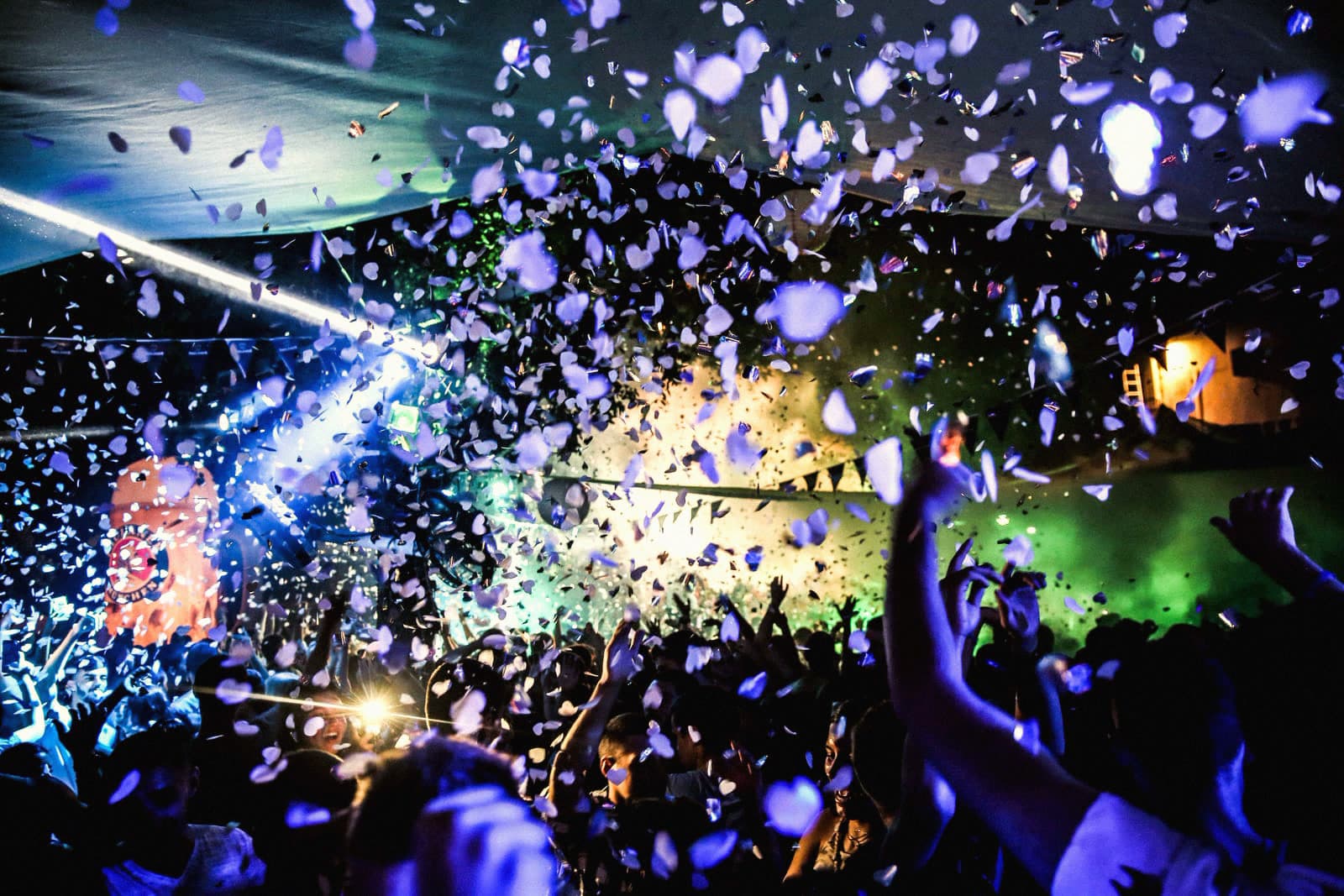
The trade is specific. AfroFuture's El Wak Stadium festival, the one that has drawn Burna Boy, Wizkid and Stonebwoy over its run, is paused for 2026. It isn't gone: per News Ghana, it returns to El Wak in December 2027 as the centerpiece of the festival's 10th anniversary. In its place, Future Club opens December 16 at 1 Shiashie in Accra, a 1.5-acre site built by the festival's operator, Culture Management Group, with room for 3,000 people a night. Instead of one bill, December runs as a residency: standalone concerts from Young Jonn, Victony and Jazzwrld, stacked alongside nightly DJ sets, Adesope podcast tapings, film screenings and poetry readings, closing out on New Year's Eve.
"Accra had several places where people could eat and dance but lacked enough spaces where they could simply spend time and connect."
That's CEO Abdul Karim Abdullah, quoted by GBC Ghana Online, making the case for permanence over spectacle.
Why build a club instead of booking another stadium?
A stadium weekend sells tickets once a year and then sits empty for fifty-one weeks. A club with a kitchen, bars, a market and rotating art and fashion shows sells something every night, and it sells membership, not just entry: buy a ticket to opening night and you get a complimentary annual pass covering every DJ night and concert through the season. That's the real shift here, from a promoter that rents a stadium once to one that owns a recurring, monetizable piece of the city's social calendar. It's the model every major Western dance-music city already runs on (think the year-round club versus the one-off festival), and it's a bet that Accra's audience is big enough and loyal enough to support it on a membership basis rather than a once-a-year ticket spike.
What does this mean for Accra's DJ circuit?
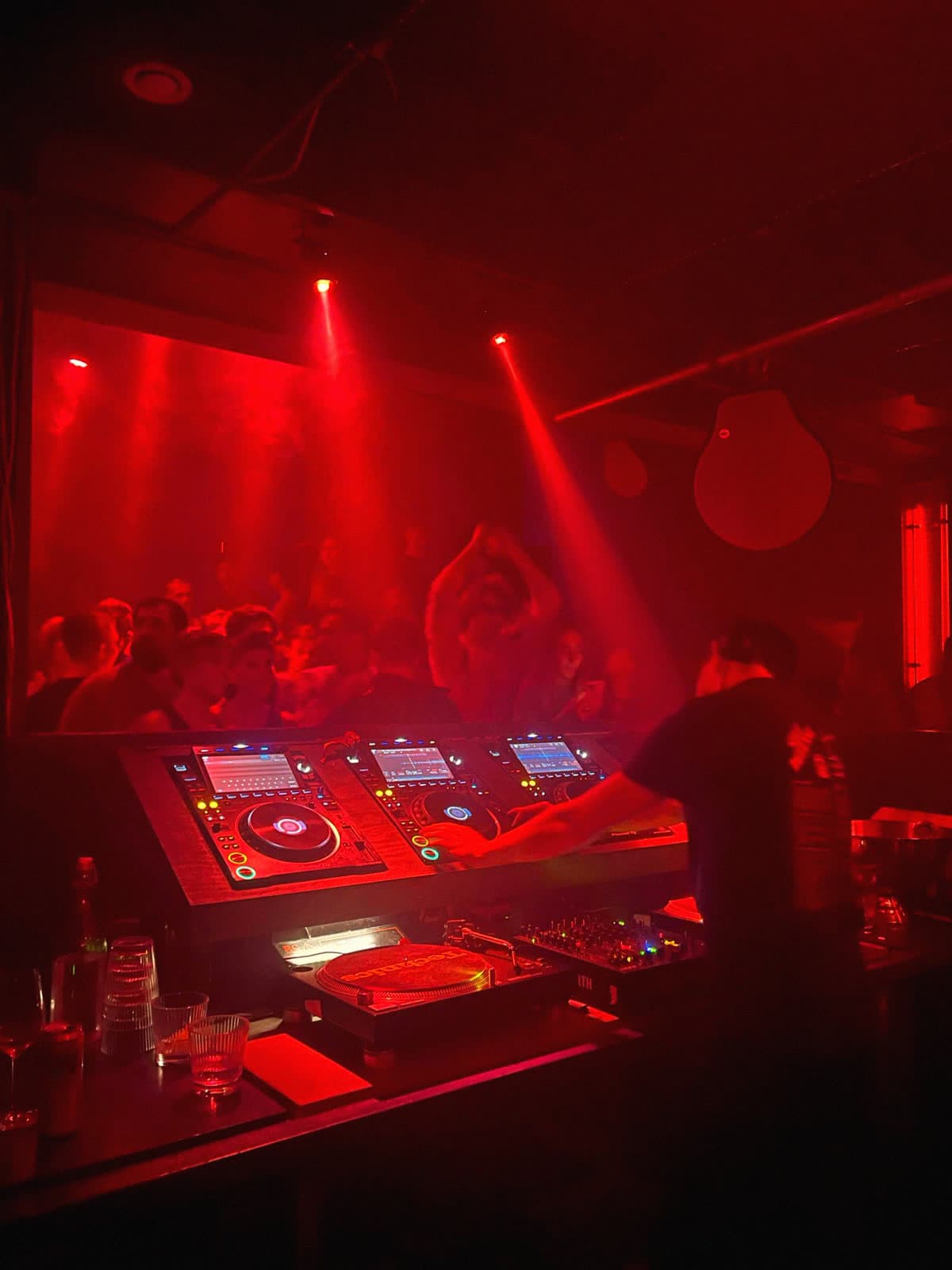
For the people actually playing the music, the difference between a festival slot and a residency is the difference between one paid night a year and a recurring booking. A stadium bill has room for a handful of names; a club running DJ sets every night needs a rotating cast, which is exactly the kind of structural opening that lets a local or regional DJ build a real following instead of chasing one festival appearance. West Africa's house and afro-house circuit has grown mostly around one-off festival slots and scattered club nights; a 3,000-capacity venue committing to nightly programming is the kind of permanent infrastructure that circuit has been short on, in Accra specifically and in the wider Lagos-Accra-Joburg axis that the scene increasingly treats as one touring loop.
Why it matters
If Future Club works as a recurring, membership-driven venue rather than a seasonal novelty, it gives West Africa's dance scene something it has mostly lacked outside Lagos and Johannesburg: a large, purpose-built room that books DJs every week instead of once a year, which is what actually sustains a local circuit rather than just showcasing it.
What we think
This is a smart hedge, not a retreat. AfroFuture isn't abandoning the stadium spectacle, it's banking the 2027 anniversary show while testing whether Accra can sustain a members-only room on a weekly basis. If the Residency series fills seats through a Ghanaian December without a single headliner-sized stadium night to anchor it, expect every other West African promoter chasing the same Detty December calendar to copy the model within a year or two.