What did Akai actually change?
For years the knock on the standalone Akai MPC was simple: the brain could not keep up with the software. The new MPC 3.9 OS kept piling on instruments and effects while the old hardware wheezed. The G2 generation, announced on 18 June 2026 and shipping now, is the answer. Both the MPC One G2 and the MPC Key 37 G2 move to a new 8-core CPU that Akai pitches as four times the processing power of the outgoing boards, paired with 4GB of RAM (double the old 2GB) and a roomy 64GB of internal storage in place of the cramped 16GB.
That headroom shows up where it counts. Standalone, with no laptop in the chain, you get up to 32 simultaneous plugin instruments and 16 stereo audio tracks, driven from a 7-inch multitouch display. Connectivity finally catches up too: USB-C replaces the old USB-B, there is dual-band 2.4/5GHz Wi-Fi and Bluetooth 5, and the units ship on MPC 3.9 OS with its linear arranger and integrated synthesis. This is the box a lot of beatmakers wanted three years ago.
What is the catch with the Pro Pack?
Here is where the room splits. The features that most obviously justify all that new silicon, the ones that actually need the muscle, are not in the box. Stem separation (pulling drums, bass, vocals out of a finished track), Super Warp time-stretch and the Clip Matrix for Ableton-style clip launching all sit behind a paid Pro Pack. You buy the powerful hardware specifically for its power, then hit a software paywall to unlock the tools that power was for.
You buy the upgraded hardware for its processing muscle, only to hit a paywall to unlock the tools that actually require that muscle.
That is why AudioNewsroom landed on a needed yet cynical upgrade. The hardware jump was genuinely overdue, but the bundling reads as a deliberate funnel: get the producer onto the new platform at a sharp price, then monetise the marquee tools afterward. For a working sampler that lives in house, techno and beat studios, that is not a trivial gripe. The MPC has always sold itself as a complete instrument you can take to a gig and finish a track on, no upsell required.
Is the One G2 or the Key 37 G2 the one to buy?
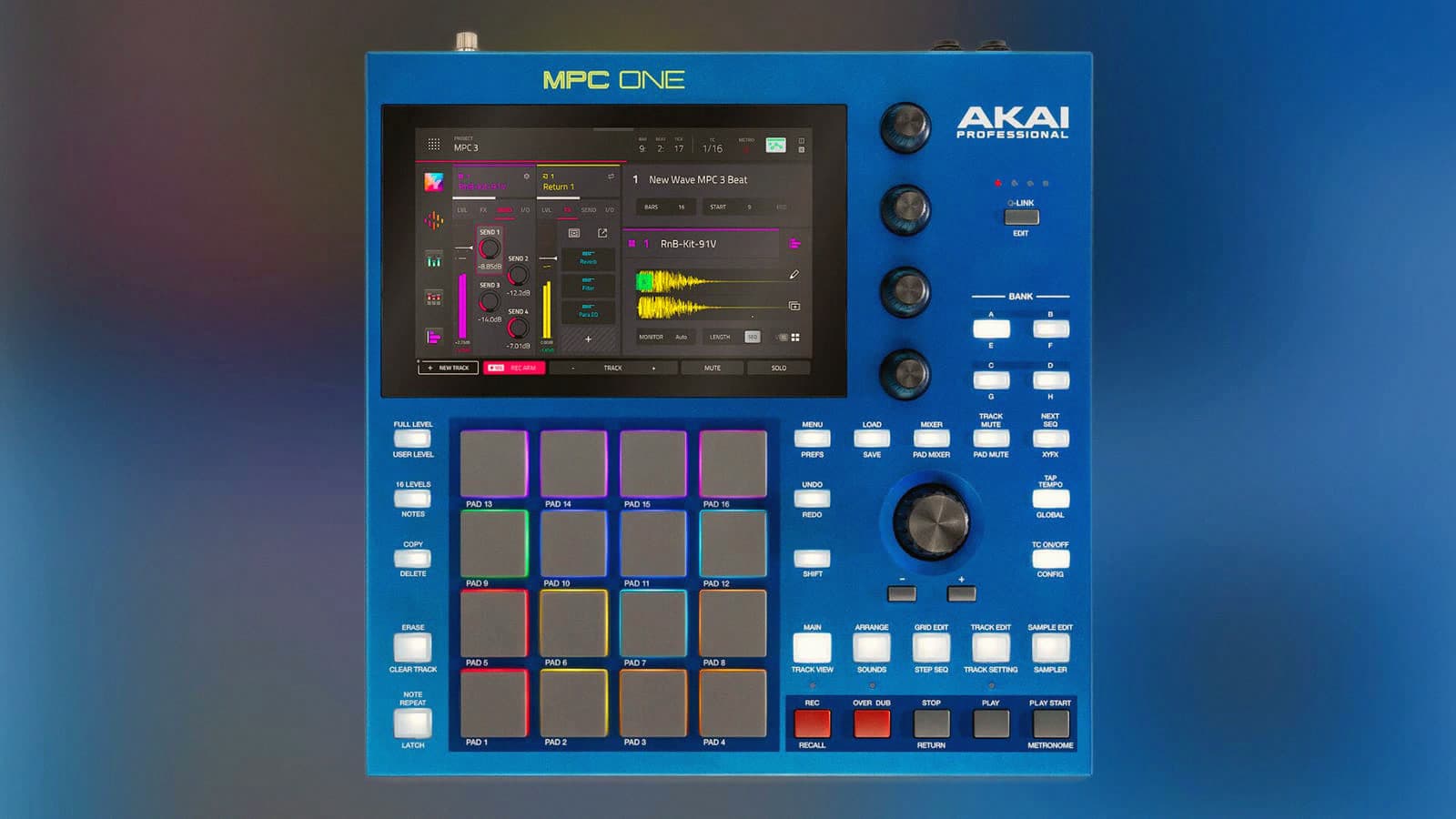
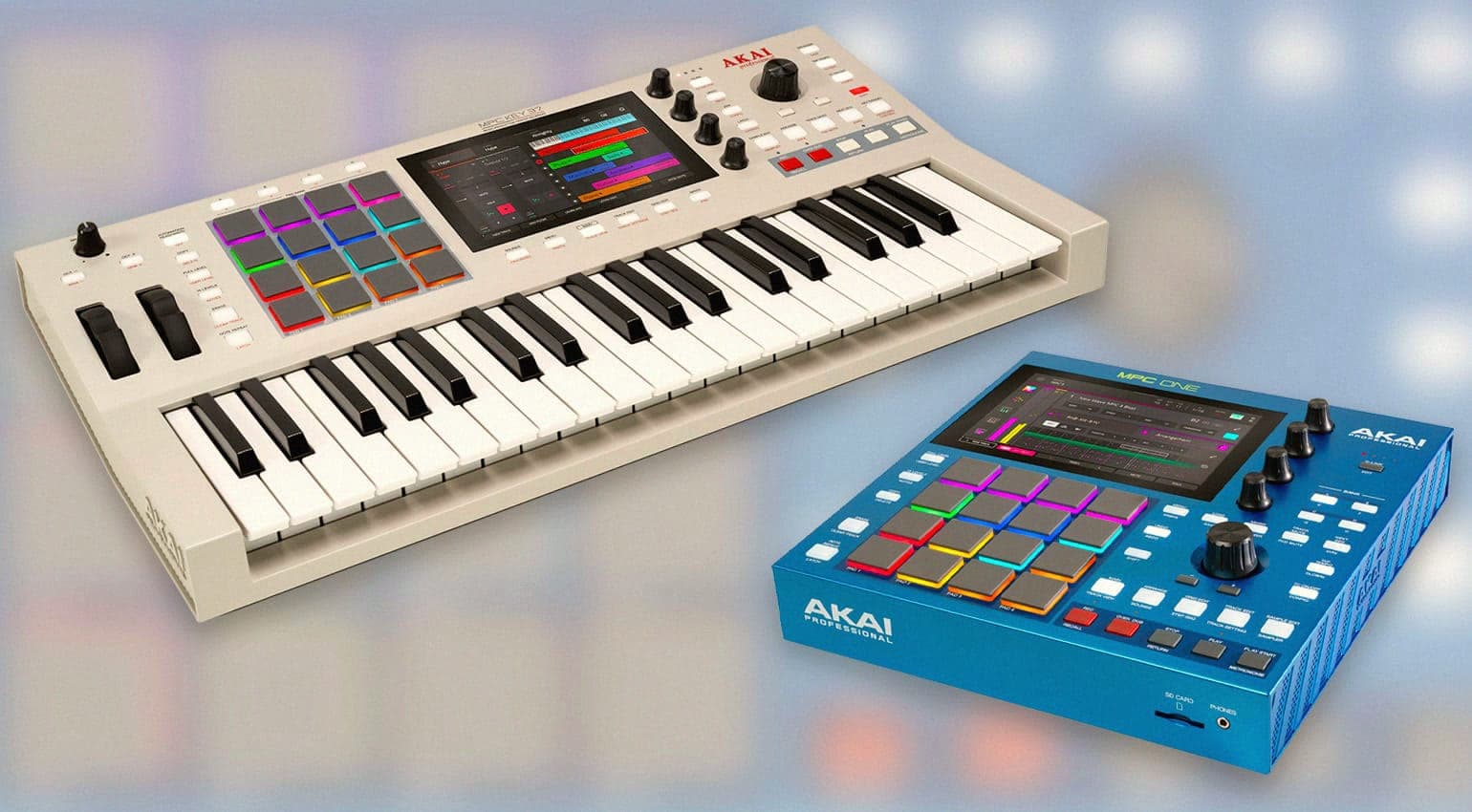
The hardware split is clear. The MPC One G2 is the classic 16-pad slab, this time in a blue colorway that openly nods to the MPC1000 and MPC4000, at $799 / £729 / €849. The MPC Key 37 G2 adds a 37-key keybed with aftertouch in a cream-white finish, at $999 / £849 / €999, which makes it the obvious pick if you actually play keys rather than only finger-drum.
Under the hood they are the same machine, same CPU, same RAM, same storage, same standalone track counts. So the choice is purely ergonomic: pads-only and cheaper, or pads plus an expressive keybed for two hundred more. Either way, budget for the Pro Pack on top if stem separation and Super Warp are the reason you were tempted in the first place. That extra line on the invoice is the whole debate in miniature.