What exactly did Akai open-source, and what's still locked?
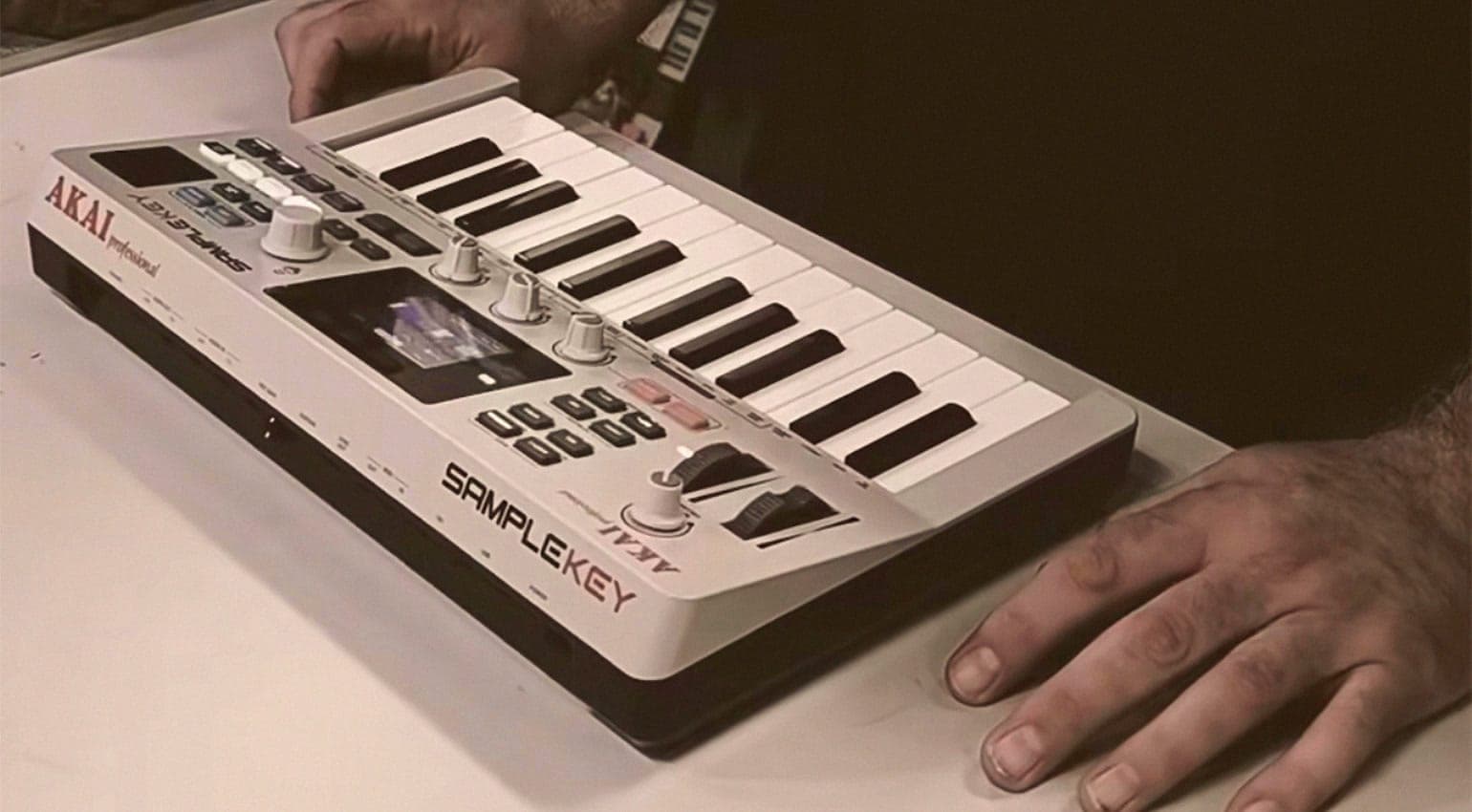
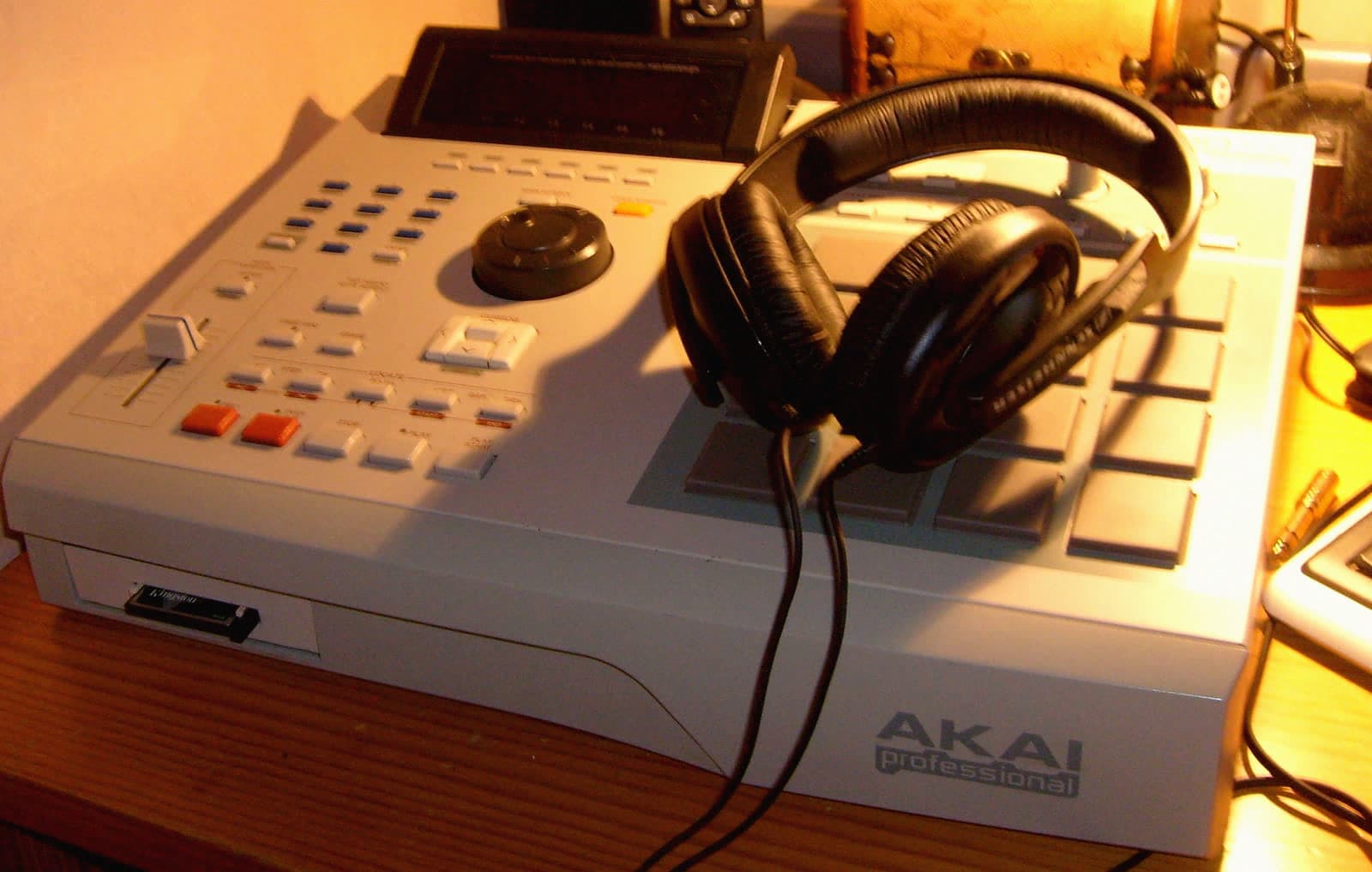
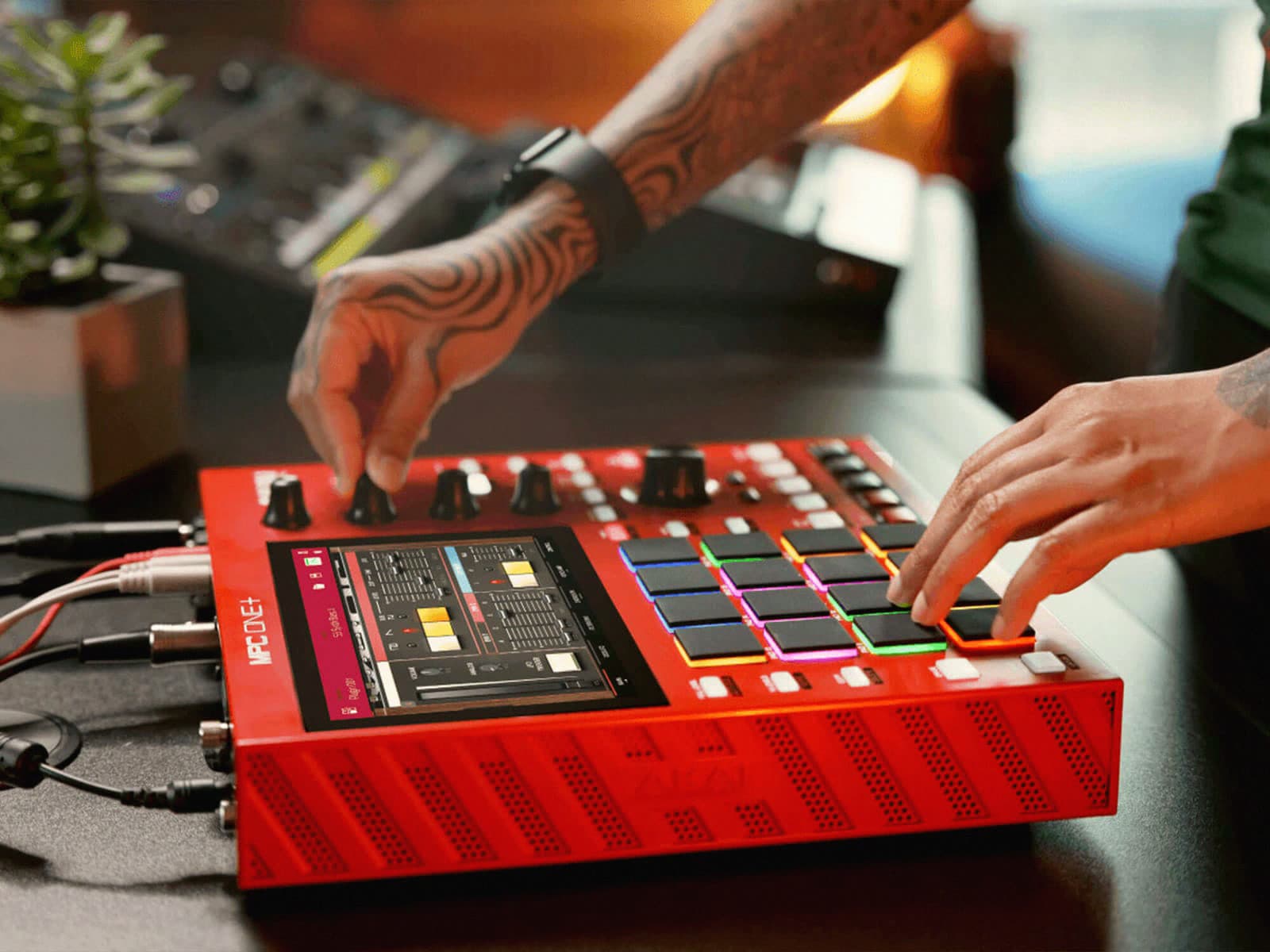
Not the MPC operating system. Akai, now under inMusic, published a GitHub repository holding "archives of the open source code for the Linux environment" running inside its MPC Standalone hardware, the G1 generation (MPC X, MPC X Special Edition, MPC Live, MPC Live II, MPC One, MPC One+, MPC Key 37, MPC Key 61 and Force) and the newer G2 line (MPC XL, MPC Live III, MPC One G2, MPC Key 37 G2), plus the standalone MPC Sample hardware sampler. That's the Linux kernel foundation and the system libraries inMusic is obligated to publish under the open-source licenses those components carry, the kind of GPL compliance release most hardware makers quietly file and move on from.
The proprietary layer, the actual MPC OS, the sequencer engine, the plugin architecture that makes an MPC feel like an MPC, stays closed. Akai isn't handing modders the keys to rewrite the beat-making engine. It's handing them the floor it sits on.
"These products don't need to be modified. They're complete instruments designed to stand on their own. Openness doesn't require incompleteness."
That's how inMusic CEO Jack O'Donnell framed it.
Why does this matter coming from Akai, not a small brand?
Open firmware has historically been the move a boutique brand makes to punch above its size, giving hackers and modders a reason to champion a product a bigger name wouldn't bother shipping. Akai is not that. It is the brand behind the best-selling standalone sampler line in electronic music, owned by inMusic, one of the largest instrument conglomerates on the planet. Unofficial hacking has existed around MPC hardware for years regardless, community projects have quietly reverse engineered pieces of the Live, X, Force and One firmware without any blessing from Akai. Publishing an official repository, managed directly by CTO Pete Goodliffe, is Akai choosing to stand next to that community instead of around it.
What's next: an SDK and a room full of modders at NAMM?
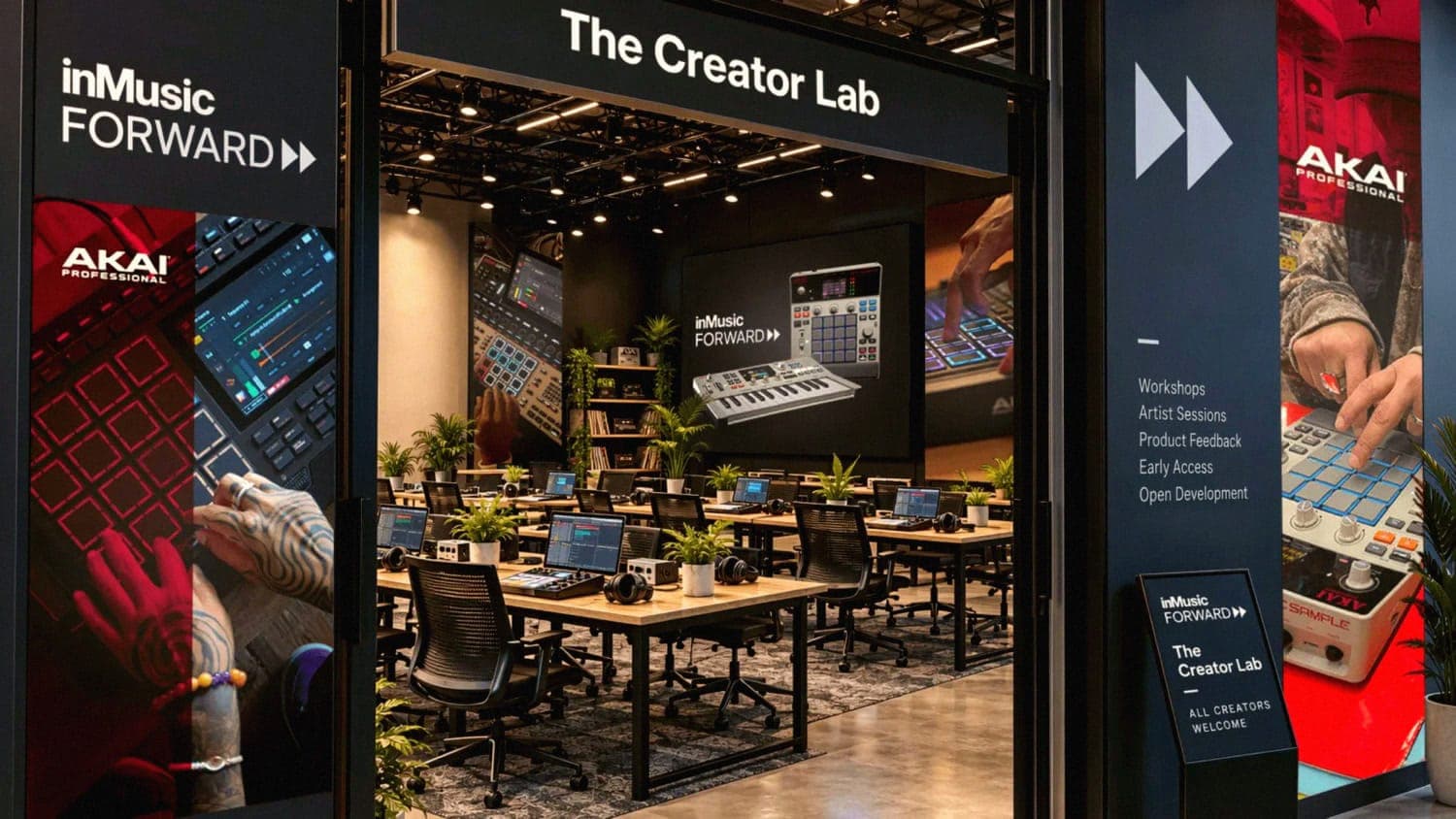
inMusic frames the Linux release as a first step, not the whole plan. The company says it intends to eventually open-source the entire MPC Sample platform and provide a proper SDK, the piece that would actually let developers build and load custom code rather than just read the plumbing. The timing lines up with NAMM 2027's Creator Lab, a dedicated room (204, at the Anaheim Convention Center, January 28 to 30) where inMusic will let modders, developers and AI-assisted coders work hands-on with new hardware, part of a wider showcase of 22 new products across its brands. Whether that SDK actually ships, and what it lets owners do once it does, is the part worth watching.