Cocktails and longdrinks are usually the only line on a club's balance sheet with real margin left in it. Door money covers the artists and the room. Beer barely covers itself. Spirits are where a venue actually makes something back. Germany's federal cabinet just voted to tax that line 20% harder.
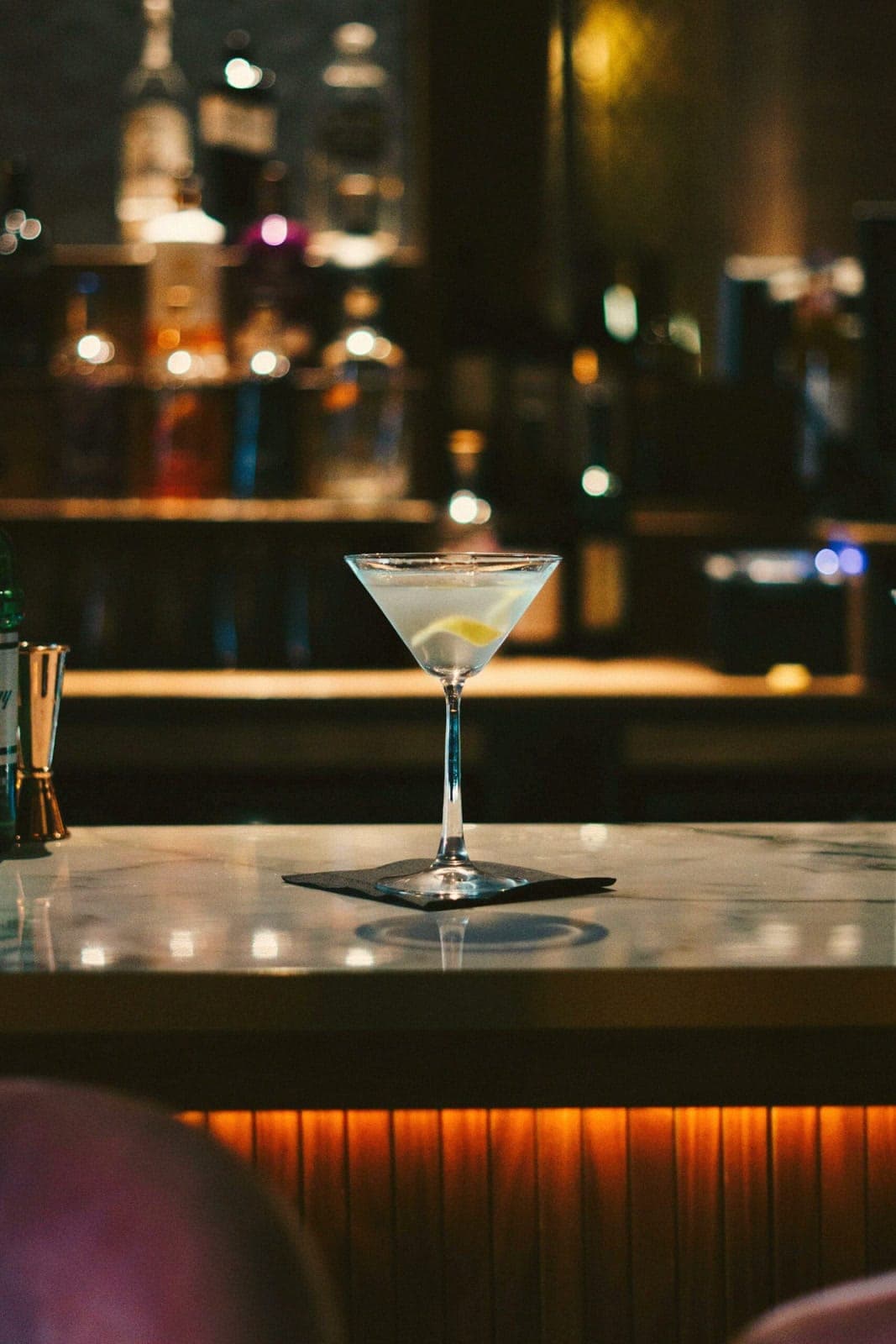
The decision, passed 6 July 2026, raises the tax on pure alcohol from €13.03 to €15.64 per liter starting 1 January 2027. It hits vodka, rum, gin, whisky, corn schnapps, sparkling wine, Sekt, liqueur wine and alcopops. Beer and wine are untouched, which tells you something about who this was and wasn't designed to protect.
Why frame a tax hike as public health?
Finance Minister Lars Klingbeil isn't only pitching this as a budget fix, though the treasury does expect €400 to 455 million a year out of it. He's calling it health policy: the government estimates the increase could prevent roughly 1,000 alcohol-related cancer cases annually over the long run. It's a harder argument to fight in public than a straightforward revenue grab, and it arrives while Germany's spirits industry is openly disputing the treasury's own numbers, arguing that higher prices push drinkers toward untaxed alternatives rather than generating the revenue the ministry is counting on.
What does this actually mean for a club's bar?
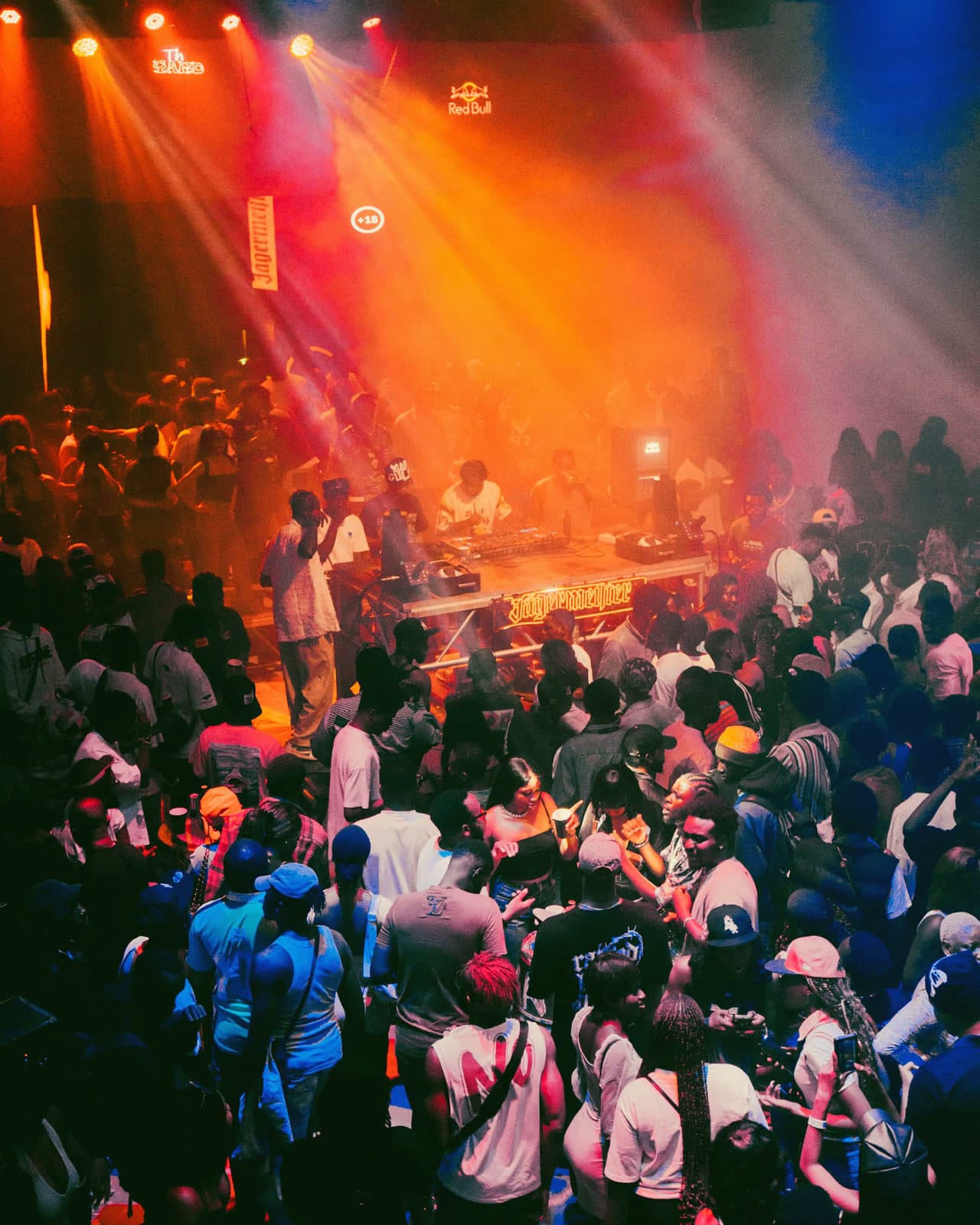
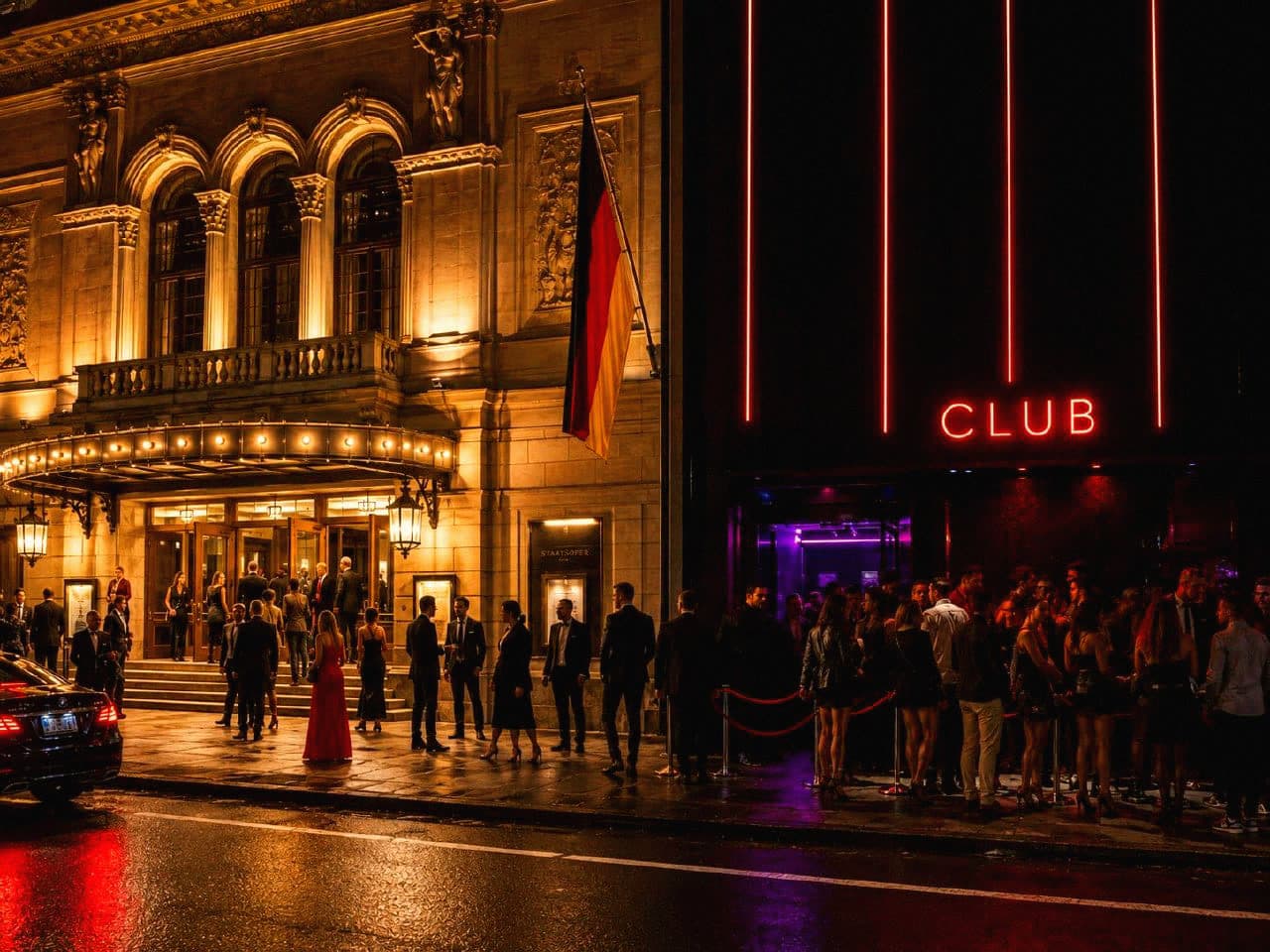
Clubcommission Berlin, the city's nightlife trade body, put it plainly in a newsletter the day the cabinet voted: "Many venues depend on beverage sales and can barely pass rising costs forward. If they do raise prices, it affects guests who increasingly can't afford going out during times of high living costs." That's the trap. A club can eat the new cost and shrink its already thin margin further, or pass it to the door and the bar, straight into a crowd that Germany's own club scene has spent years watching thin out over ticket and drink prices.
This isn't happening in isolation. It lands on top of energy bills that spiked, rents that kept climbing, and staffing costs that never came back down, the same pressures behind Berlin's ongoing Clubsterben, the slow bleed of closures the scene has been naming for years. A 20% tax on the one product category still turning a real margin isn't the thing that kills a club by itself. It's one more line item in a budget that was already tight before this vote.
Who actually pays for this in the end?
Government forecasters and the spirits trade disagree on where the €400 to 455 million comes from. The finance ministry is banking on drinkers absorbing the higher price. The industry's own doubts about that math matter here: if consumption shifts toward cheaper, untaxed alternatives instead, the revenue gap doesn't close, it just moves the cost onto whichever venues tried to hold their prices steady long enough to keep guests coming back.