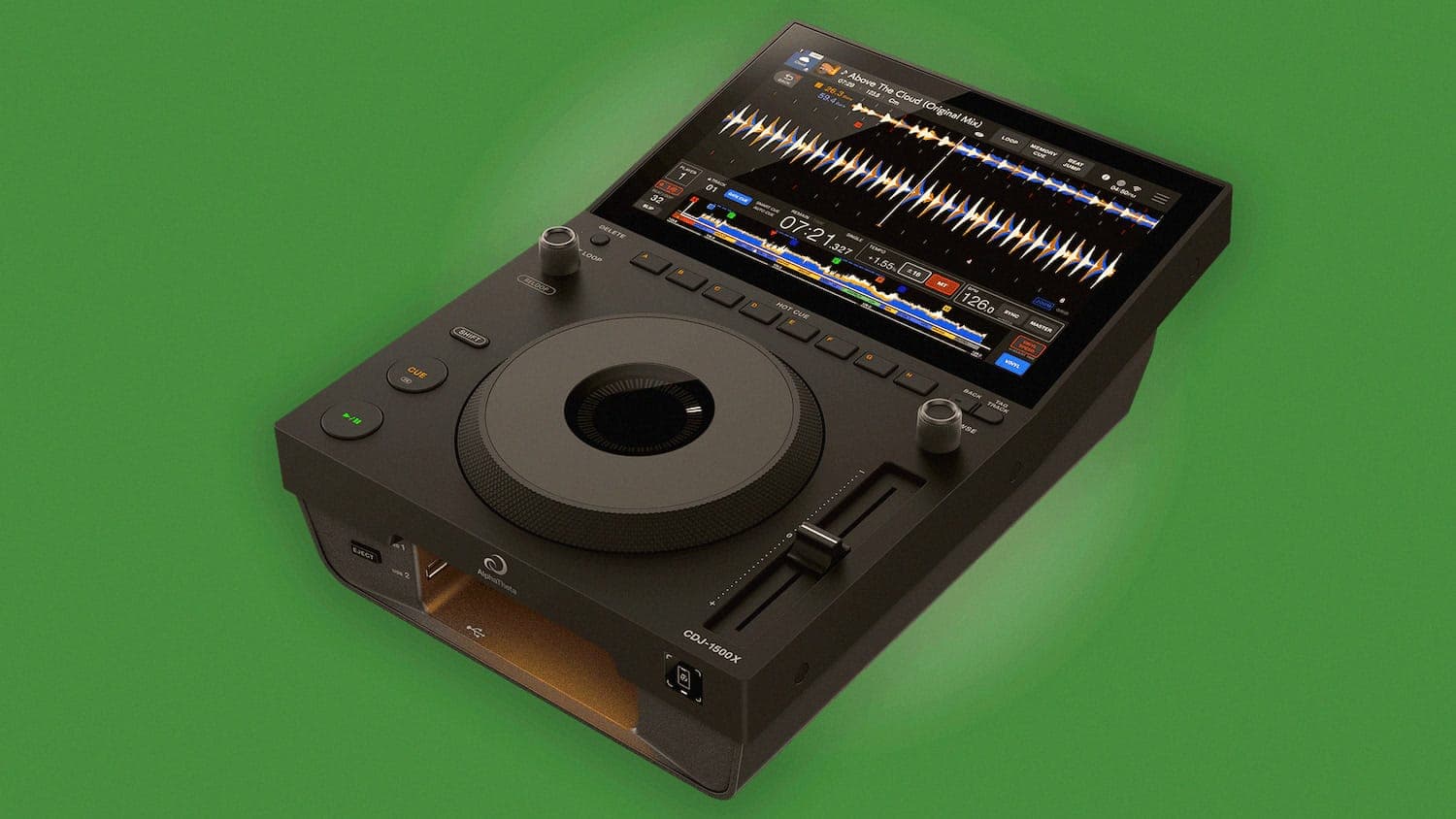
AlphaTheta didn't need another spec sheet to make noise this month. It needed a button. CoBeat, the crowd-voting service that launched July 9, 2026 on the new AlphaTheta CDJ-1500X, doesn't change what a CDJ plays, it changes who gets to suggest it, and that's enough to reopen one of dance music's oldest arguments: does the DJ own the set, or does the room?
How does CoBeat actually put a vote in the crowd's hands?
The mechanics are simple by design. Before a set, the DJ builds a request catalog of up to 200 tracks inside rekordbox and generates a QR code for the venue screen. Clubbers scan it on their phones, browse that catalog, and either vote for a track or type a free-text request. Requests land on the CDJ-1500X's browse screen with the requester's name attached, ready for the DJ to load, or ignore. A three-minute cooldown per phone and a profanity filter on free-text messages are the only real guardrails, and the whole system runs through the cloud: every catalog track has to be synced via a paid rekordbox subscription, no local files, no streaming services, and the venue Wi-Fi has to hold up. Crucially, it's off by default. A DJ has to switch CoBeat on for any of this to appear.
Who is really choosing the music: the DJ or the room?
That catalog cap matters more than the headlines about "crowd control" suggest. CoBeat isn't handing strangers the USB drive, it's letting them rank a shortlist the DJ already built and approved. It's closer to a jukebox stocked with a curated fifty tracks than an open mic. That distinction is why comparing it to a wedding DJ's request bucket, or the tip-for-song culture bar DJs have worked around for decades, is more accurate than comparing it to a genuine loss of control. The DJ still decides what's eligible, and still decides whether to honor a winning vote at all. What CoBeat actually removes is the DJ's ability to not know what the crowd wants in real time, a smaller shift, but not a trivial one.
The crowd doesn't build the setlist with CoBeat. It chooses which shelf the DJ already stocked gets opened first.
Why are DJs already drawing a line before it's even out?
Early trade coverage suggests the resistance is real, if familiar. DJ TechTools's first look at the CDJ-1500X flagged that plenty of working DJs prefer handling requests in person, or refusing them outright, as part of how they run a set, and that a screen full of votes and emoji pop-ups is one more thing competing for a DJ's attention mid-mix. It isn't a new fight: request tech aimed at DJs has come and gone since at least 2014 without ever sticking, mostly because club and festival DJs built their reputations on curation, not on service. Where CoBeat is more likely to land is exactly where AlphaTheta seems to expect it to: weddings, corporate gigs, open-format bars, the parts of the DJ economy where audience requests were never a threat to begin with. The CDJ-1500X being the budget-tier player, not the flagship CDJ-3000X, is its own tell about who AlphaTheta thinks will actually use this.